Should I Remove Trees Close to My House?
- Brinko Tree Service

- Mar 26
- 4 min read
AI Summary
Trees near homes are not always dangerous, but the risk depends on the condition and location
Structural defects, root damage, and overhanging limbs increase hazard potential
Western PA storms and saturated soil raise failure risk
Strategic tree trimming, tree removal, and stump grinding protect homes and property

Why Trees Near Homes Raise Safety Questions
Trees growing close to houses are common in Pittsburgh, Irwin, and throughout Western Pennsylvania. Many neighborhoods were built decades ago when trees were smaller, and over time, those trees have grown significantly.
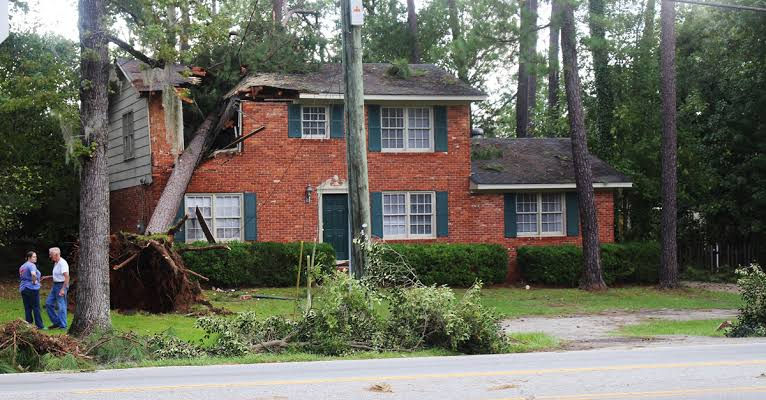
While mature trees provide shade, privacy, and curb appeal, they can also create safety concerns when they grow too close to structures. The decision to remove a tree should always be based on risk factors rather than distance alone.
When Trees Near Homes Are Safe
Not every tree close to a house needs to be removed. In many cases, healthy trees with strong root systems and balanced canopies can coexist safely with nearby structures.
Trees may be safe if
The trunk is structurally sound
Roots are stable and undamaged
Branches are not overhanging the roof
There are no signs of decay or leaning
Regular maintenance such as tree trimming can help keep these trees healthy and safe.
Warning Signs a Tree May Be Too Risky
Large limbs over the roof
Branches extending above a roofline can cause damage during storms. Even healthy limbs may break under wind or heavy rain.
Removing overhanging limbs reduces risk significantly.
Leaning toward the house
A tree that leans toward a structure becomes more dangerous over time, especially if the lean increases after heavy rain.
Leaning often indicates root instability.
Cracks in the trunk
Structural cracks weaken the tree’s ability to support canopy weight. High winds can cause the trunk to split further.
Fungal growth or decay
Mushrooms or shelf fungi near the base may indicate internal rot. Decay reduces structural strength.
Root damage near foundations
Roots that disturb foundations, sidewalks, or driveways may indicate instability or long-term structural concerns.
How Close Is Too Close?
There is no universal distance rule for tree safety. Instead, risk is determined by a combination of factors such as tree size, root health, and canopy spread.
However, large trees growing within several feet of a house should be monitored closely. Their branches and roots have greater potential to affect structures.
Western PA Weather Makes Proximity Riskier
Homes in Pittsburgh and surrounding areas face frequent storms, heavy rainfall, and freeze-thaw cycles.
These conditions increase the likelihood of
Branch failure during high winds
Trees leaning after soil saturation
Limb breakage under snow or ice loa
Trees near homes have less room for error during severe weather.
Benefits of Tree Trimming Instead of Removal
In many cases, professional tree trimming can reduce risk without removing the tree entirely.
Trimming helps by
Removing dead or weak limbs
Reducing canopy weight
Improving airflow through branches
Correcting structural imbalance
This approach allows homeowners to keep the benefits of shade while improving safety.
When Tree Removal Is the Best Choice
Sometimes the safest option is tree removal.
Removal may be recommended when
The tree shows significant structural damage
Roots are severely compromised
The tree leans toward the house
Large branches overhang the roof
Decay affects major portions of the trunk
Removing a high-risk tree before a storm prevents potential property damage.
What Happens After Removal
After removal, stump grinding eliminates the remaining stump and root base.
Stump grinding
Removes tripping hazards
Prevents pest infestations
Stops unwanted regrowth
Restores usable yard space
Completing the process ensures long-term safety.
Property Value and Insurance Considerations
High-risk trees near homes can affect property value and insurance coverage. Buyers and inspectors often view hazardous trees as potential liabilities.
Proactive maintenance or removal can improve property safety and appeal.
Signs It Is Time for a Professional Evaluation
Consider scheduling an inspection if you notice
Branches touching the roof
Dead limbs over driveways
A tree leaning after storms
Cracks in the trunk
Fungal growth at the base
Early evaluation prevents emergencies later.
People Also Ask
Are trees near houses always dangerous?
No. Many healthy trees coexist safely with nearby structures.
Can tree roots damage foundations?
Roots usually follow moisture sources but can disturb nearby structures.
Should I remove trees before selling my home?
Hazardous trees should be addressed before listing.
Is trimming enough to reduce risk?
Often yes, but severe defects may require removal.
FAQ
How often should trees near homes be inspected?
At least once per year and after major storms.
Can trimming prevent storm damage?
It significantly reduces risk but cannot eliminate it completely.
Is stump grinding required after removal?
It is recommended to remove hazards and prevent regrowth.
Does insurance cover tree damage?
Coverage varies depending on policy and circumstances.
Local Considerations for Pittsburgh and Irwin
Western Pennsylvania’s mature tree canopy, sloped terrain, and frequent storms make proactive tree maintenance especially important for homes with nearby trees.
Let Our Team Help You Evaluate Trees Near Your Home
If you are unsure whether a tree near your home poses a risk, a professional evaluation is the best place to start. Our team provides expert tree trimming, safe tree removal, and complete stump grinding to help protect homes across Western Pennsylvania.
Call 412-373-7450 or fill out our online form to schedule a tree safety assessment. We are here to help you make the safest decision for your property.



Comments