Who Is Responsible for a Tree on a Property Line in PA
- Brinko Tree Service
- 3 days ago
- 8 min read
Key Takeaway
In Pennsylvania, a tree on a property line is generally considered shared property, meaning both neighbors bear responsibility for its care and removal costs.
A neighbor can trim branches that cross onto their property, but they cannot cut into or damage the trunk without the other owner's consent.
If a healthy shared tree falls and causes damage, liability typically falls on the property owner where the damage occurred, not necessarily the tree's owner.
Disputes over boundary trees are best resolved before they become emergencies, ideally with a professional inspection and a clear agreement between neighbors.
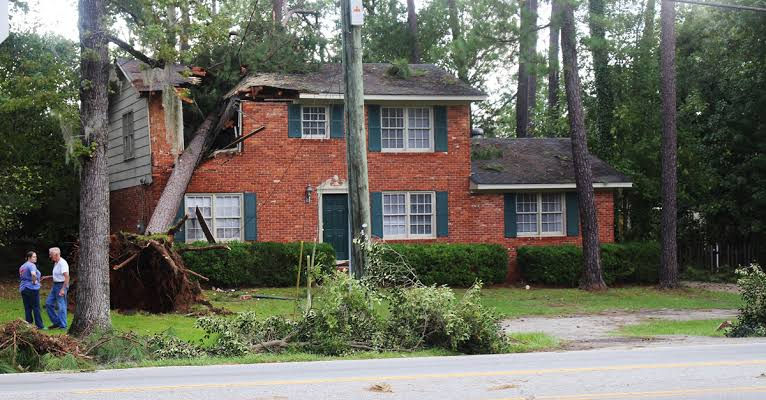
Your neighbor's oak tree sits right on the property line, and now one of its major limbs is hanging directly over your roof. You have no idea who is supposed to deal with it, who pays for it, or whether you even have the right to cut anything without starting a feud that outlasts the tree itself. This situation plays out constantly across Westmoreland and Allegheny Counties, and confusion over property line tree responsibility in PA leads to delayed action, damaged homes, and neighbors who no longer speak.
Pennsylvania law on boundary trees is not always straightforward, but understanding a few key principles can help you act decisively, protect your property, and avoid costly mistakes. Homeowners in Manor, PA and across the surrounding communities should know that a professional assessment early is almost always cheaper than waiting for a problem to escalate. If you are already dealing with a hazardous limb or a leaning trunk, our Tree Removal service can help you resolve it safely before the situation gets worse.
How Pennsylvania Law Determines Responsibility for Boundary Trees
When a tree trunk straddles a property line, Pennsylvania courts have generally treated it as jointly owned by both property owners, a principle consistent with the boundary tree doctrine recognized in cases across the Commonwealth. That shared ownership carries shared responsibility. Here is what that means practically:
Neither owner can remove or significantly alter the tree without the other's consent.
Both owners share the cost of necessary maintenance or removal if the tree poses a hazard.
You can trim branches and roots that extend onto your side of the line, but only up to the property boundary.
If a healthy tree falls and damages your property, your own homeowner's insurance typically covers the damage.
If you can prove the neighbor knew the tree was diseased or dying and failed to act, they may carry liability for resulting damage under Pennsylvania negligence principles.
Pennsylvania also places responsibility on municipalities in some cases. Many townships in Westmoreland and Allegheny Counties have local ordinances that govern tree maintenance near rights-of-way, and those rules can affect how boundary disputes are handled when a tree sits close to a road or sidewalk. Checking with your local zoning office is worthwhile if the tree in question is near a public easement.
The bottom line: ownership of the soil does not automatically determine who pays for everything. Shared trees require shared communication and, when needed, shared action.
Common Misconceptions That Get Homeowners Into Trouble
One of the most widespread myths is that the neighbor with the larger share of the trunk bears full responsibility for the tree. Pennsylvania courts have not supported that view. If the trunk crosses the boundary at all, both parties generally hold an ownership interest regardless of which side carries the larger portion, and both share in the obligations that come with it.
Another costly mistake is assuming you can remove a shared tree without notifying your neighbor first. Cutting down or severely damaging a boundary tree without consent can expose you to legal claims for the value of the tree, which in mature hardwoods can be substantial. Homeowners in Irwin and Greensburg who have attempted unilateral removal have sometimes found themselves facing disputes that required legal resolution. A brief conversation and a professional assessment first can prevent all of that.
A third misconception is that a tree has to be visibly rotting before it creates liability. In Pennsylvania, courts have found that a property owner who receives written notice of a hazardous condition and fails to act can be held liable even when the decay is not obvious from the street. This is why documenting your concerns in writing matters, and why getting a professional inspection before sending that notice gives your communication real credibility.
How Brinko Tree Service Handles Property Line Tree Situations
When you call us about a boundary tree, we do not just show up and start cutting. We assess the full picture: the health of the tree, where the trunk actually sits relative to the property line, what risk it poses, and what work falls within your rights as the property owner. With nearly 20 years of experience serving Manor, Harrison City, and communities across Westmoreland and Allegheny Counties, we have seen every version of this situation and know how to handle it carefully.
Evaluating the Tree's Condition First
Before any conversation about removal or trimming, we look at the tree's structural integrity. A tree weakened by the spotted lanternfly, which remains under active quarantine across southwestern Pennsylvania including Westmoreland County, may look stable from the ground while harboring significant internal decay. Stressed maples, birch, and black walnut are common in this region, and what appears to be a manageable lean can mask a much more serious failure risk. Knowing this changes how urgently you and your neighbor need to act, and it gives both of you factual information to work from rather than competing opinions.
Separating What You Can Do From What Requires Agreement
Once we understand the tree's condition, we walk you through your options clearly. Tree Trimming of branches extending over your property is generally within your rights as a homeowner. Work involving the trunk or the root system near the base almost always requires neighbor involvement. If the tree is dead, dying, or actively threatening a structure, we can document that condition in a way that supports your conversation with your neighbor or, if needed, your insurance company.
Practical Considerations for Homeowners in This Area
Costs for boundary tree work vary depending on the size of the tree, its location, the complexity of the removal or trimming, and whether stump grinding is part of the scope. What we can tell you is that splitting the cost with a neighbor for a shared tree often makes the decision easier for both parties, and acting while a tree is still standing is nearly always less expensive than dealing with it after it has fallen on a structure. For more on what drives pricing, How Much Does Tree Removal Cost? A Complete Pricing Guide breaks down the key factors.
If a storm changes everything overnight, our Emergency Tree Service is available to respond quickly across Westmoreland and Allegheny Counties. We also handle stump removal once a tree comes down. Stump Grinding eliminates regrowth, removes tripping hazards, and clears the way for lawn restoration, making it an important final step for any complete boundary tree removal.
People Also Ask
Who is liable if a neighbor's tree falls on my property in Pennsylvania?
In most cases, your own homeowner's insurance covers the damage when a healthy tree falls on your property due to a storm or natural event. However, if you can demonstrate that your neighbor was aware the tree was diseased or structurally compromised and failed to act on written notice, they may be held liable for resulting damage. Consulting a local attorney is advisable in disputed cases.
Can I cut down a tree on the property line without my neighbor's permission?
No. In Pennsylvania, a tree whose trunk sits on the boundary line is considered jointly owned, and removing it without your neighbor's agreement can expose you to legal liability for the value of the tree. Your safest path is to discuss the situation with your neighbor, ideally supported by a professional assessment that documents the tree's condition and the risk it poses.
What happens if a tree on the property line is dead or diseased?
A dead or visibly diseased boundary tree creates a stronger case for requiring both owners to address it promptly. If you notify your neighbor in writing of the hazard and they fail to act, that documentation can shift liability toward them if the tree later causes damage. Getting a professional inspection and keeping records of any communication is essential in these situations.
How close to a property line can you plant a tree in Pennsylvania?
Pennsylvania does not have a single statewide setback law for trees, so the rules vary by municipality. Many townships in Westmoreland and Allegheny Counties have local ordinances that regulate planting distances from property lines, sidewalks, and utilities. Checking with your local zoning office before planting a large species near a boundary line can prevent problems down the road.
FAQ
Should I notify my neighbor in writing before addressing a boundary tree?
Yes, written communication creates a record that protects you legally. A simple letter or email that describes the concern, references any professional findings, and proposes a course of action is enough. If your neighbor refuses to respond or cooperate and the tree is a genuine hazard, that documentation becomes important for insurance and legal purposes.
Does a professional assessment help in a neighbor dispute over a tree?
It does, significantly. An objective inspection from an experienced tree care company gives both parties factual information about the tree's condition rather than opinions. It also removes the emotional element from the conversation, which often makes it easier to reach an agreement on next steps and cost sharing.
What is stump grinding and do I need it after a boundary tree is removed?
Stump grinding uses specialized equipment to grind the remaining stump and surface roots down below grade after a tree is cut. It is not always legally required, but it eliminates regrowth, removes a hazard, and clears the area for lawn restoration or replanting. For boundary removals, it is often part of a complete and clean resolution for both property owners.
Can Brinko Tree Service document tree hazards for insurance or legal purposes?
Yes. When we inspect a tree, we can provide a professional assessment of its condition, including visible signs of disease, structural failure, or active decay. While we are not attorneys and cannot provide legal advice, our documentation of a tree's health and risk level can support your case with a neighbor, your insurance carrier, or a property attorney.
Protect Your Property Before the Tree Makes the Decision for You
Boundary tree disputes rarely resolve themselves, and the longer a hazardous tree sits unaddressed, the more expensive and dangerous the outcome tends to be. Homeowners across Export, Murrysville, Irwin, and the surrounding communities have found that waiting on a neighbor to take action while a compromised tree leans toward a structure is a gamble not worth taking. With nearly 20 years serving Westmoreland and Allegheny County homeowners, the team at Brinko Tree Service has helped hundreds of families navigate exactly this kind of situation with clear assessments, honest guidance, and professional work done right the first time.
If you have a tree on or near a property line that concerns you, the best move is to get it looked at now, before a storm, before it falls, and before a manageable conversation with a neighbor turns into an insurance claim or a legal dispute. We serve Manor, PA and communities throughout both counties and are ready to help you understand your options, document the risk, and handle the work safely. You can also read Safe Tree Removal: Why You Should Hire Professional Arborists to understand why professional oversight matters on jobs that involve shared ownership and liability.
Visit Brinko Tree Service or call 412-373-7450 today. Our crew is ready to assess your boundary tree situation and give you the clear, honest answers you need to protect your home and your neighbor relationship. Contact us for more information.


Comments