8 Signs Your Tree Is Dying and What to Do About It
AI Summary
Dead or dying branches, discolored leaves, and fungal growth are clear indicators that your tree's health is declining and needs professional assessment.
Structural changes like leaning, exposed roots, or trunk damage signal serious issues that could pose safety risks to your property.
Early detection of tree health problems allows for treatment options that may save the tree before removal becomes necessary.
Professional tree care specialists can accurately diagnose tree conditions and recommend the safest, most cost-effective solutions for your property.
A healthy tree can live for decades, adding beauty and value to your property. But when that same tree starts dying, it transforms from an asset into a potential hazard that could cause thousands of dollars in damage to your home, vehicles, or neighboring properties.
The challenge is that trees don't always show obvious signs of distress until the problem has progressed significantly. By the time most homeowners in Manor, PA notice something is wrong, the situation often requires immediate Emergency Tree Service to prevent property damage or injury. Learning to recognize the early warning signs your tree is dying can help you address problems before they become dangerous.
Why This Matters for Manor, PA Homeowners
Identifying signs your tree is dying becomes especially critical in our region due to the mature tree canopy throughout Westmoreland and Allegheny Counties. Many properties feature large, established trees that have been growing for decades, making the potential consequences of tree failure much more severe.
Our local climate, with its harsh winters and summer storms, puts additional stress on trees that may already be compromised. A dying tree that might seem stable during calm weather can quickly become a serious threat during high winds or heavy snow loads. Manor, PA homeowners have experienced significant property damage when diseased or dying trees failed during storms, making early detection and professional assessment essential for protecting your investment.
8 Clear Signs Your Tree Is Dying
When trees begin to decline, they exhibit specific symptoms that indicate their health is compromised. Here are the most reliable indicators that your tree needs immediate professional attention:
1. Dead or Brittle Branches: Branches are brittle, easily snap when touched, or show no new leaf growth during the growing season. These branches may appear gray or brown and lack the flexibility of healthy wood.
2. Abnormal Leaf Changes: Leaves change color at the wrong time of year, wilt despite adequate moisture, or fall off prematurely. You may notice yellowing, browning, or spotted leaves during the peak growing season.
3. Fungal Growth: Mushrooms, shelf fungi, or other fungal growth appears on the trunk, branches, or around the base of the tree. This often indicates internal decay and compromised structural integrity.
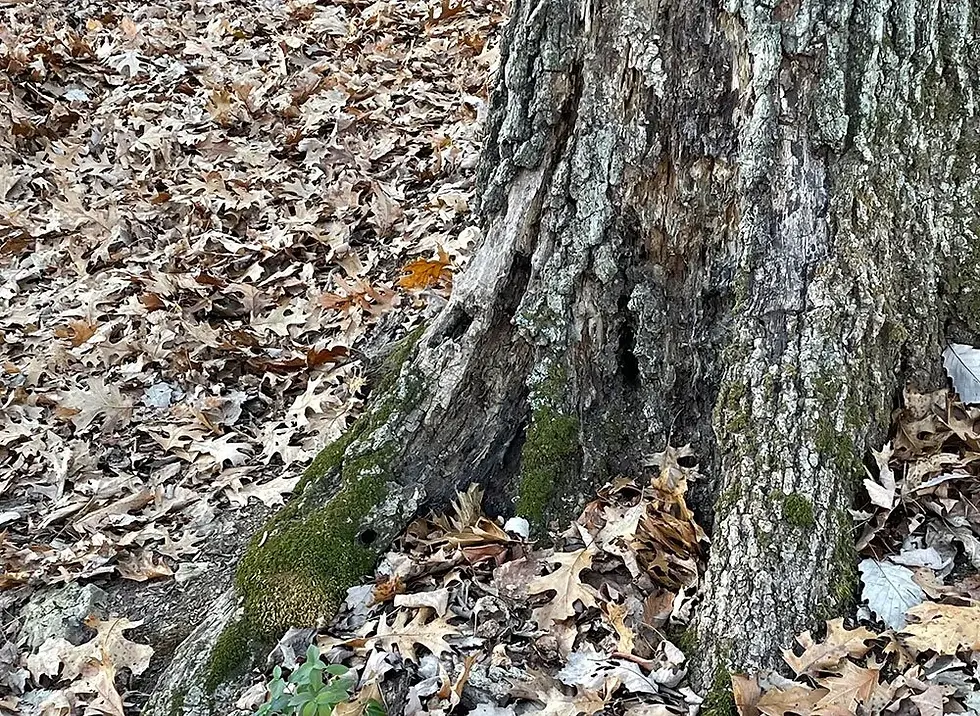
4. Trunk Damage: The trunk shows signs of decay, has large cracks, develops hollow areas you can see or hear when tapped, or has soft spots that indent when pressed.
5. Root Problems: Root systems become exposed above ground, show signs of rot and decay, or you notice mushrooms growing from the root area. Damaged roots cannot support the tree properly.
6. Structural Instability: The tree develops a noticeable lean or appears unstable compared to its previous upright position. This often indicates root damage or internal structural failure.
7. Bark Issues: Bark is peeling extensively, missing in large sections, has areas that appear sunken or discolored, or shows signs of pest damage with entry holes or sawdust accumulation.
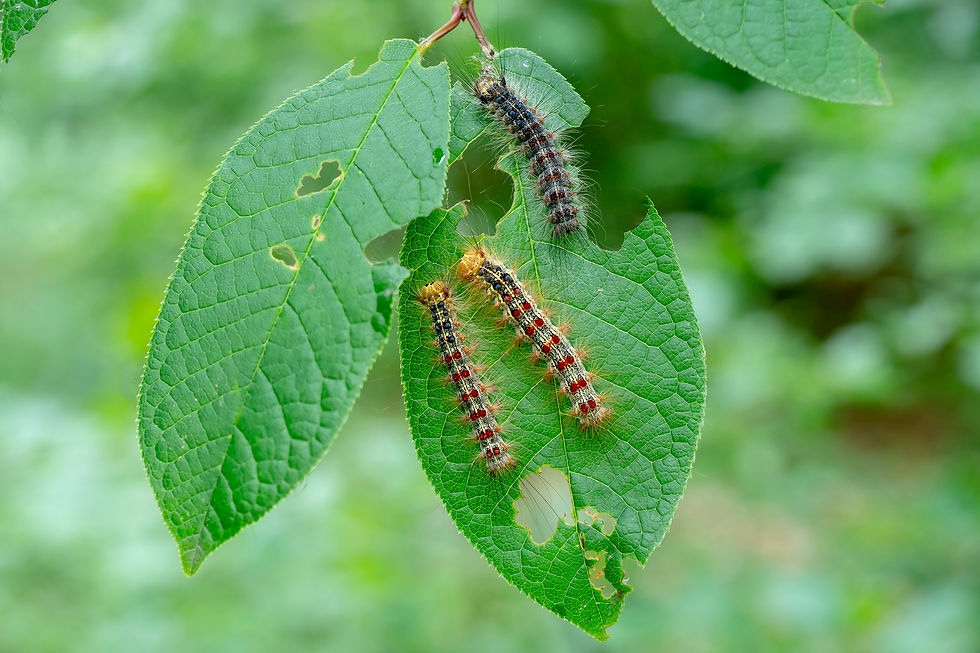
8. Pest Infestations: Visible insect infestations including bore holes, sawdust around the base, unusual pest activity, or signs of disease spread by insects like bark beetles or borers.
What to Do When You Spot These Warning Signs
Once you identify potential signs your tree is dying, taking appropriate action quickly can make the difference between saving the tree and dealing with emergency removal. Here's what homeowners should do:
Immediate Assessment Steps
Contact a certified arborist for professional evaluation as soon as you notice multiple warning signs. Avoid trying to diagnose tree problems yourself, as many symptoms can indicate different underlying issues requiring specific treatments.
Document the symptoms with photos and notes about when you first noticed changes. This information helps professionals understand how quickly the decline is progressing and what factors might be contributing to the problem.
Treatment vs. Removal Decisions
Professional evaluation determines whether treatment options exist or if Tree Removal becomes necessary for safety. Early-stage problems often respond well to targeted treatments including fertilization, pest control, or disease management.
However, trees with significant structural damage, extensive decay, or advanced disease progression typically require removal to prevent property damage or injury. In some cases, strategic Tree Trimming can remove affected areas while preserving healthy portions of the tree.
Planning for Replacement
When removal becomes necessary, consider the space for new plantings and choose species appropriate for your location and soil conditions. Professional tree services can recommend suitable replacements and handle Stump Grinding to prepare the area for new landscaping.
Understanding Tree Decline and Disease Progression
Tree death rarely happens overnight. Most trees experience a gradual decline that can span months or even years, depending on the underlying cause. Environmental stressors, diseases, pest infestations, and physical damage all contribute to tree mortality in different ways.
The progression typically starts with stress factors that weaken the tree's natural defenses. Once compromised, trees become susceptible to secondary problems like fungal infections or pest infestations that accelerate the decline process.
Common Causes of Tree Death in Our Region
Several factors contribute to tree mortality in Westmoreland and Allegheny Counties. Disease pressure from fungal pathogens increases during wet seasons, while drought stress weakens trees during dry periods. Construction damage to root systems, soil compaction, and chemical exposure from road salt also take their toll on urban and suburban trees.
Pest infestations like emerald ash borer have devastated certain tree species in our area. Age-related decline naturally occurs in mature trees, while storm damage can create entry points for diseases and pests that accelerate tree death.
Cost Considerations and Timeline for Action
Acting quickly when you notice warning signs can often save money in the long run. Early intervention treatments typically cost much less than emergency tree removal, especially when storm damage or property damage becomes involved.
Emergency situations naturally cost more due to the urgency and safety precautions required. Planning ahead allows you to schedule services during optimal weather conditions and potentially avoid the premium pricing associated with emergency calls.
People Also Ask
How long does it take for a tree to die once it starts showing symptoms?
The timeline varies significantly based on the tree species, age, and underlying cause of decline. Some trees may decline gradually over several years, while others affected by certain diseases or pest infestations can deteriorate within a single growing season.
Can a dying tree recover with proper treatment?
Trees in early stages of decline often respond well to professional treatment, including proper fertilization, pest management, and disease control. However, trees with advanced structural damage or extensive decay typically cannot recover and require removal for safety reasons.
What happens if I ignore the warning signs of a dying tree?
Ignoring symptoms typically leads to more extensive damage, higher removal costs, and increased safety risks. Dead or dying trees are more likely to fail during storms, potentially causing property damage or injury that far exceeds the cost of proactive tree care.
How much does it cost to remove a dying tree?
Tree removal costs depend on the tree's size, location, accessibility, and complexity of the job. Smaller trees may cost a few hundred dollars to remove, while large trees in challenging locations can cost several thousand dollars, especially in emergency situations.
FAQ
Should I try to treat a dying tree myself or hire a professional?
Tree health assessment and treatment require specialized knowledge to identify diseases, evaluate structural integrity, and determine appropriate treatments. Professional arborists have the expertise and equipment to safely diagnose problems and recommend effective solutions that DIY approaches cannot match.
How can I tell the difference between a tree that's dormant and one that's dying?
Dormant trees typically show uniform absence of leaves across the entire canopy during appropriate seasons, with healthy-looking bark and flexible branches. Dying trees often have patchy leaf loss, brittle or discolored branches, and may show signs of decay or pest damage even during dormant periods.
Is it safe to wait until spring to address tree problems I notice in fall or winter?
Trees showing structural problems, significant dead wood, or instability should be evaluated immediately regardless of season. While some treatments may be more effective during specific times of year, safety issues cannot wait for optimal timing.
Will removing a dying tree affect my property value?
Removing hazardous or unsightly dying trees typically maintains or improves property value by eliminating safety risks and aesthetic problems. Professional removal followed by appropriate landscaping or replacement planting often enhances curb appeal and property desirability.
Get Professional Tree Assessment in Manor, PA
When you notice potential signs of tree decline on your property, quick professional evaluation can make the difference between saving a tree and dealing with emergency removal. Our experienced team has helped countless homeowners throughout Manor, PA and surrounding communities address tree health issues before they become costly problems.
Don't wait until a dying tree becomes a safety hazard or causes property damage. Professional assessment gives you clear answers about your tree's condition and the most cost-effective options for your situation, whether that's targeted treatment or safe removal.
Visit Brinko Tree Service or call 724-863-7799 today. Our certified arborists provide thorough evaluations and honest recommendations to keep your property safe and beautiful. Contact us for more information.



Comments