Can Root Damage Cause a Tree to Fall Suddenly?
- Brinko Tree Service
- Mar 5
- 4 min read
AI Summary
Root damage is one of the leading causes of sudden tree failure
Construction, soil compaction, and decay weaken root stability
Saturated Western PA soil increases collapse risk
Proactive tree trimming, tree removal, and stump grinding reduce hazards

Why Roots Matter More Than You Think
When most people evaluate a tree’s safety, they look at the trunk and branches. However, the root system is the true structural foundation. A tree can have a healthy canopy and solid trunk, yet still fall suddenly if its roots are compromised.
In Pittsburgh, Irwin, and across Western Pennsylvania, heavy rainfall, clay-heavy soil, and frequent construction activity all contribute to root-related failures. When root stability is weakened, a tree can collapse with little warning.
How Root Damage Leads to Sudden Tree Failure
Roots anchor the tree and absorb water and nutrients. When a significant portion of the root system is damaged or decayed, the tree loses its ability to resist wind and gravity.
Sudden failure often occurs when
Soil becomes saturated after heavy rain
Wind adds lateral force
The canopy is fully leafed and heavy
Existing root decay worsens
The tree may appear stable for months, then fall during the next storm or even on a calm day.
Common Causes of Root Damage
Construction and Excavation
Construction is one of the most common causes of root injury.
Root damage may occur from
Trenching for utilities
Installing sidewalks or driveways
Foundation excavation
Grading and landscaping
Even cutting a small percentage of major structural roots can significantly reduce stability. Damage is often hidden below ground and goes unnoticed until failure occurs.
Soil Compaction
Heavy equipment, vehicles, and repeated foot traffic compact soil around roots.
Compacted soil
Reduces oxygen availability
Restricts water absorption
Limits root growth
Weakens anchoring strength
Over time, weakened roots cannot support the tree during storms.
Root Rot and Fungal Decay
Fungal organisms attack roots, especially in poorly drained soil.
Signs of root rot include
Mushrooms near the base
Soft or spongy ground around the trunk
Sudden leaf drop
Gradual leaning
Root decay weakens anchoring from below, increasing collapse risk.
Saturated Soil in Western PA
Clay-rich soil, common in the Pittsburgh region, drains slowly. After heavy rain, the soil becomes waterlogged and unstable.
When roots are already damaged, saturated soil can be the final factor that causes the tree to fall.
Erosion Around the Root Zone
Water runoff on sloped properties can wash away supporting soil. Exposed roots reduce stability and increase the chance of uprooting.
Warning Signs of Root Instability
Although root damage is hidden, several visible clues may indicate a problem.
Watch for
Sudden or increasing lean
Soil cracking or lifting at the base
Exposed or severed roots
Water is pooling around the trunk
Fungal growth near the root flare
Pavement lifting near sidewalks
If multiple signs are present, the risk of sudden failure is significantly higher.
Why Root Damage Often Goes Unnoticed
Root systems extend far beyond the visible trunk. Many homeowners do not realize that activities several feet away from the tree can impact stability.
Damage may occur years before failure. The tree continues to grow until stress from storms, rain, or canopy weight exceeds what weakened roots can support.
Can a Tree Survive Root Damage?
It depends on the extent of damage.
Minor root disturbance may be manageable if
Less than a small portion of structural roots are affected
The tree remains upright and stable
Soil conditions are favorable
However, severe root damage often cannot be repaired. In such cases, proactive tree removal is safer than waiting for collapse.
How Tree Trimming Can Help Reduce Risk
Selective tree trimming reduces canopy weight and wind resistance. Lower weight means less force pulling against compromised roots.
Trimming cannot repair root damage, but it can sometimes reduce stress enough to prevent immediate failure while a professional assessment is completed.
When Tree Removal Is Necessary
Removal may be recommended when
The tree leans significantly
Major structural roots are severed
Root rot is advanced
Soil around the tree remains unstable
The tree is close to homes or power lines
Removing a hazardous tree under controlled conditions prevents emergency situations.
What Happens After Tree Removal
After removal, stump grinding eliminates remaining root and stump hazards.
Stump grinding
Removes tripping risks
Prevents regrowth
Reduces pest activity
Restores usable yard space
Leaving a compromised stump can create long-term issues.
Why Root Failures Are Especially Dangerous
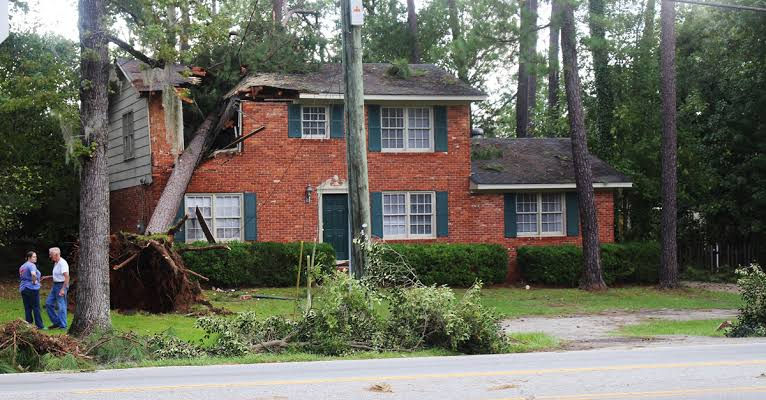
Unlike limb failures, root failures often result in complete tree collapse. This can cause
Roof damage
Broken fences
Vehicle impact
Utility line damage
Injury liability
Sudden uprooting events are among the most severe tree-related incidents.
People Also Ask
Can a healthy-looking tree fall due to root damage?
Yes. Root damage is often hidden until failure occurs.
Does heavy rain increase root failure risk?
Yes. Saturated soil weakens anchoring strength.
How much root damage is too much?
Severe damage to major structural roots significantly increases collapse risk.
Can trimming fix root instability?
No, but it can reduce canopy stress temporarily.
FAQ
How often should trees be inspected for root issues?
At least once a year, and after major construction nearby.
Is root rot treatable?
Early cases may be managed, but advanced decay often requires removal.
Are leaning trees always caused by root damage?
Often yes, especially if leaning increases after rain.
Is stump grinding necessary after removal?
It is strongly recommended to remove hazards and prevent regrowth.
Local Considerations for Pittsburgh and Irwin
Western PA’s clay soil, heavy rainfall, and sloped properties increase the likelihood of root-related failures. Construction in older neighborhoods also contributes to root damage risks. Regular inspections help identify problems early.
Let Our Team Help You Assess Root Stability
If you suspect root damage on your property, do not wait for the next storm to test it. Our team provides professional tree trimming, safe tree removal, and complete stump grinding to protect homes throughout Western Pennsylvania.
Call 412-373-7450 or fill out our online form to schedule a tree stability evaluation. We are here to help you prevent sudden and dangerous tree failures.



Comments