How Can Pruning Improve Tree Growth in Irwin, PA?
- Brinko Tree Service

- Dec 30, 2025
- 5 min read
AI Summary
Learn how proper pruning improves tree growth, structure, and longevity
Understand how pruning directs energy, reduces disease, and strengthens branches
See when pruning helps avoid safety hazards and long-term decline
Know when professional care, like tree trimming, tree removal, or stump grinding, is appropriate

Pruning is one of the most important tools for improving tree growth, yet it is often misunderstood or delayed by homeowners. In Irwin and throughout the Pittsburgh area, trees face a combination of weather stress, compacted soil, pests, and seasonal extremes that can limit healthy growth if left unmanaged. Proper pruning does far more than shape a tree. When done correctly, it improves strength, encourages balanced growth, and helps trees live longer, safer lives.
Understanding how pruning supports tree health allows homeowners to make informed decisions and avoid common mistakes that lead to weak structure or long-term decline.
How Trees Grow and Why Pruning Matters
Trees rely on a balance between roots, trunk, and canopy. Leaves produce energy through photosynthesis, roots absorb water and nutrients, and branches distribute weight. When this balance is disrupted by overcrowded branches, deadwood, or poor structure, growth becomes inefficient.
Pruning improves growth by
Redirecting energy to healthy branches
Removing competition between limbs
Improving light and air penetration
Reducing stress caused by damage or disease
Strengthening branch attachments
In Western Pennsylvania’s climate, pruning also helps trees recover from winter damage and prepare for heavy summer growth.
Key Ways Pruning Improves Tree Growth
Encourages stronger branch structure
Trees that grow without guidance often develop weak branch unions, crossing limbs, or long overextended branches. These structures are more likely to fail during storms.
Pruning removes poorly attached limbs early, allowing remaining branches to develop stronger connections. This results in a sturdier tree that grows upward and outward in a balanced way.
Directs energy to healthy growth
Every branch requires energy to maintain. Dead, diseased, or poorly positioned branches drain resources from healthy parts of the tree. When these branches are removed, the tree redirects energy to stronger limbs and new growth.
This is especially important for young and middle-aged trees, where early pruning can significantly improve long-term form and vitality.
Improves sunlight exposure
Dense canopies block sunlight from reaching inner branches and lower leaves. Limited light reduces photosynthesis, causing inner limbs to weaken or die.
Selective pruning opens the canopy, allowing sunlight to reach more leaves. Increased photosynthesis leads to healthier foliage and stronger growth throughout the tree.
Enhances air circulation
Poor airflow traps moisture in the canopy, creating ideal conditions for fungal diseases common in Irwin and Pittsburgh. Improved air movement helps leaves dry faster after rain and reduces disease pressure.
Healthier leaves mean better energy production and stronger seasonal growth.
Reduces disease and pest stress
Diseased branches often spread infection to healthy tissue. Insects also target weakened wood. Removing affected limbs slows the spread of disease and limits pest activity.
By reducing stress, pruning helps trees maintain natural defenses and grow more consistently year after year.
Supports root and canopy balance
When a canopy becomes too heavy or uneven, the root system struggles to support it. Strategic pruning reduces excessive weight and restores balance between roots and branches.
Balanced trees grow more efficiently and are less likely to lean or suffer storm damage.
The Best Times to Prune for Growth in Irwin
Timing matters when pruning for growth.
Late winter to early spring
This is the ideal time for most structural pruning. Trees are dormant, making it easier to see the branch structure. Pruning before new growth begins allows trees to heal quickly and direct energy into healthy spring growth.
After flowering for spring bloomers
Trees that flower early in spring should be pruned after the blooms fade. Pruning too early removes flower buds and limits flowering.
Summer pruning for control
Light summer pruning can help manage growth direction and remove damaged limbs, but heavy pruning during hot weather can stress trees.
Avoid fall pruning
Fall pruning may encourage new growth that does not harden before winter, increasing the risk of damage.
When Pruning Improves Safety as Well as Growth
In Irwin, many trees grow close to homes, driveways, and utility lines. Pruning improves growth while also reducing safety risks by
Removing dead or hanging branches
Preventing branches from rubbing against roofs or siding
Reducing wind resistance
Lowering the chance of sudden limb drop
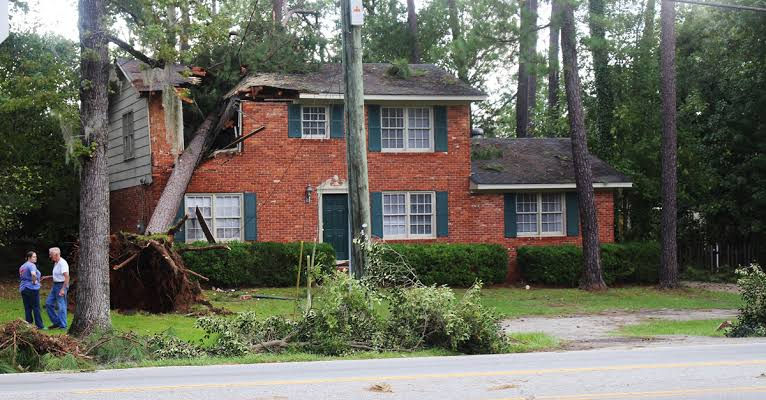
When structural issues are too severe, pruning alone may not be enough. In those cases, tree removal may be the safest option to protect property and people.
Signs Your Tree Would Benefit From Pruning
Look for
Branches crossing or rubbing together
Dead or dying limbs
Dense or overcrowded canopy
Uneven or lopsided growth
Branches growing downward or inward
Reduced leaf size or thinning foliage
These signs indicate the tree is spending energy inefficiently and could benefit from professional pruning.
How Professional Pruning Differs From DIY Cutting
Professional pruning focuses on long-term growth, not just immediate appearance. Trained crews understand
Species-specific growth patterns
Proper cut placement
How much canopy can be safely removed
How pruning affects future growth
Improper cuts can cause decay, weak regrowth, or long-term structural problems. Professional tree trimming ensures cuts support healthy regrowth rather than damage.
When Pruning Is Not Enough
Sometimes pruning reveals deeper problems such as internal decay, root failure, or severe structural defects. If a tree cannot recover or poses a hazard, full removal may be necessary.
After removal, stump grinding eliminates tripping hazards, discourages pests, and allows for future planting or landscaping.
People Also Ask
Does pruning make trees grow faster?
Pruning helps trees grow more efficiently by directing energy to healthy branches, but it does not force rapid growth.
Can pruning save a declining tree?
In many cases, yes. Early pruning can slow decline and extend a tree’s lifespan.
How much pruning is too much?
Removing more than one quarter of the canopy at once can stress the tree and slow growth.
Do young trees need pruning?
Yes. Early structural pruning creates stronger, healthier trees long-term.
FAQ
Q: Will pruning reduce shade around my home?
A: Proper pruning maintains shade while improving structure and health.
Q: Can pruning prevent storm damage?
A: It reduces risk by removing weak limbs, but no tree is completely storm-proof.
Q: How often should trees be pruned?
A: Most trees benefit from pruning every 3 to 5 years, depending on age and condition.
Q: Should I prune after storm damage?
A: Yes, but only after the tree is evaluated for safety and stability.
Local Considerations for Irwin, PA
Irwin’s clay-heavy soil, seasonal storms, and older residential neighborhoods create conditions where unmanaged growth leads to problems faster. Trees planted decades ago may now be outgrowing their space, making routine pruning essential for healthy development.
Regular evaluations help trees adapt to changing conditions and continue growing safely.
Let Our Team Help Your Trees Grow Stronger
Proper pruning is one of the best investments you can make in your trees. Our team provides expert tree trimming, honest assessments, and safe tree removal when pruning alone is not enough. We also offer stump grinding to complete the job safely and cleanly.
Call 412-373-7450 or fill out our online form to schedule a professional pruning evaluation. We are here to help your Irwin trees grow healthier, stronger, and safer for years to come.



Comments