How Spotted Lanternfly Affects Trees on Your Property

You notice your maple tree looking tired in July, leaves curling and dropping weeks before autumn, and a sticky film coating the bark and anything nearby. Your neighbors are pointing at the same thing happening in their yards across Irwin and Harrison City. What you are likely seeing is the fingerprint of the spotted lanternfly, an invasive insect that has quietly moved into southwestern Pennsylvania and is now putting real stress on the trees homeowners have grown and maintained for decades.
Understanding what this pest does and knowing when to act is crucial: the difference between saving a weakened tree and watching it become a hazard. This post breaks down exactly how spotted lanternfly damages trees in western Pennsylvania, why the Manor, PA region is particularly exposed, and what signs should send you straight to a professional for tree trimming or a full structural assessment before the damage compounds.
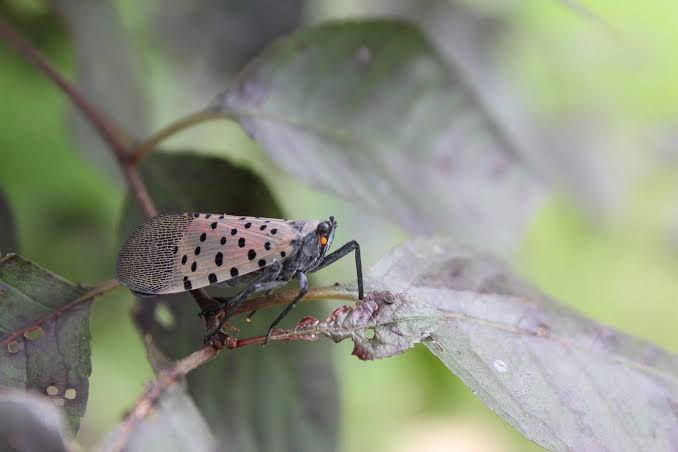
Why Spotted Lanternfly Is Such a Serious Threat to Local Trees
Spotted lanternfly does not simply chew holes through leaves the way a caterpillar might. It feeds by piercing bark and sucking out the phloem, the living tissue inside a tree that moves sugars from the leaves down to the roots. A single tree can host hundreds of these insects at once, and that constant drain on the phloem weakens a tree's ability to store energy and defend itself against secondary infections like fungi and bacterial cankers.
What makes this pest especially damaging in western Pennsylvania is the range of species it targets. Maples, black walnut, birch, and willow are all documented hosts, and these are trees you will find on nearly every residential lot from Greensburg to Export. Trees under repeated attack over multiple seasons lose vigor progressively. They produce fewer leaves, develop brittle wood in the upper canopy, and become structurally compromised long before the exterior signs become obvious to a homeowner walking past.
The Honeydew Problem and What It Does to Your Property
One of the most immediate and visible consequences of a heavy spotted lanternfly infestation is the honeydew, a sugary liquid waste the insects excrete as they feed. Honeydew coats leaves, branches, decks, outdoor furniture, and vehicles. It quickly grows black sooty mold, which blocks sunlight from reaching the leaf surface and further reduces a tree's ability to photosynthesize.
Sooty mold is not just an aesthetic problem. A tree that cannot photosynthesize efficiently is already stressed, and when honeydew layers compound on top of the phloem damage the insects are causing simultaneously, the cumulative effect accelerates decline. By the time a tree shows significant dieback in the canopy, the underlying structural weakening has often been building for more than one season.
How the Manor, PA Climate Makes This Worse
Pennsylvania placed most of the state, including the southwest, under a spotted lanternfly quarantine order, which means Westmoreland and Allegheny Counties fall squarely inside the regulated zone. The quarantine restricts the movement of outdoor items that could carry egg masses, which are laid in flat, mud-like patches on bark, stone, outdoor furniture, and vehicles. Homeowners who transport firewood or nursery stock without checking it first can inadvertently spread the pest to properties that have not yet seen it.
The climate pattern around Manor and Murrysville adds a compounding layer of risk. Summer storms and high winds in this region regularly stress trees that are already losing structural integrity to spotted lanternfly feeding. A maple that has spent two seasons hosting large insect populations may look stable from the ground but carry dead or dying wood in the upper canopy that becomes a falling hazard the moment a storm moves through. That combination of pest pressure and storm loading is exactly the kind of situation that leads to an urgent call for Emergency Tree Service after a branch or whole tree comes down unexpectedly.
Deciding When a Damaged Tree Needs to Come Down
Spotted lanternfly damage does not automatically mean a tree must be removed. Trees in early or moderate stages of stress can sometimes recover with proper care, including targeted pruning of dead wood to reduce hazard, and reduced competition for resources. However, a tree that has lost significant canopy, developed large areas of dead bark, or begun to lean is a different situation entirely.
The practical decision comes down to structural integrity and location. A weakened tree near a home, a driveway, or a power line in Greensburg or Irwin carries real liability if it fails. Professional Tree Removal is the right answer when a certified arborist determines the tree cannot recover to a safe structural condition. After removal, Stump Grinding eliminates the remaining root system so it does not become a trip hazard or a site where new pest pressure can linger in decaying wood.
What to Look for Before Calling a Tree Professional
A few specific signs should prompt you to schedule an inspection rather than wait. Look for large groups of spotted lanternflies clustered on the lower trunk in late summer and fall, which is when populations peak. Check for the gray, waxy egg masses on bark between October and spring, about an inch long and resembling dried mud. Inside the canopy, watch for wilting or yellowing leaves that do not match the normal seasonal pattern.
If you notice black sooty mold coating branches below where the insects are feeding, the infestation has likely been active long enough to cause measurable stress. Any tree showing canopy dieback of more than roughly a quarter of its crown warrants a professional eye, not because removal is certain, but because a qualified assessment will tell you exactly where the tree stands and what your options are.
FAQ
What trees in western PA are most at risk from spotted lanternfly?
Maples, black walnut, birch, and willow are the most commonly affected trees in western Pennsylvania. These species are abundant in residential neighborhoods across Westmoreland and Allegheny Counties, which is why homeowners in communities like Manor, Harrison City, and Irwin are seeing widespread damage. Fruit trees and grapevines are also highly vulnerable.
How do I know if my tree is dying from spotted lanternfly or something else?
Look for the combination of sticky honeydew residue on the bark and surrounding surfaces, sooty black mold, and clusters of the insects themselves on the trunk. If those signs are present alongside wilting or early leaf drop, spotted lanternfly stress is a likely contributor. A professional tree inspection can confirm the cause and assess how far the damage has progressed.
Is it worth trying to save a spotted lanternfly damaged tree, or should I just remove it?
It depends on the extent of the damage and the tree's location. Trees in early stages of stress can sometimes stabilize and recover with proper pruning and monitoring. Trees that have lost a significant portion of their canopy or show structural instability near buildings or high-traffic areas are better candidates for removal. A professional assessment gives you the clearest picture of your options.
Does the Pennsylvania spotted lanternfly quarantine affect homeowners?
Yes. The quarantine, which covers most of Pennsylvania including Westmoreland and Allegheny Counties, requires residents to inspect outdoor items like vehicles, firewood, and patio furniture for egg masses before moving them. Spreading spotted lanternfly to unaffected areas, even unintentionally, can result in violations. Checking your property regularly and reporting sightings helps slow the spread.
What happens to the stump after a spotted lanternfly damaged tree is removed?
Leaving a stump in place creates a trip hazard and can also attract wood-boring insects that further affect nearby healthy trees. Stump Grinding is the most effective solution, reducing the stump below grade so the area can be replanted or landscaped. Removing the stump also eliminates a potential harborage site in decaying wood.
How can Brinko Tree Service help me with spotted lanternfly tree damage?
Brinko Tree Service has been serving homeowners across Westmoreland and Allegheny Counties for nearly 20 years, and our team understands how spotted lanternfly damage interacts with the structural demands our regional storms place on trees. We assess weakened trees, handle safe removal when necessary, and grind stumps to finish the job properly. Contact us for an honest evaluation of what your trees actually need.
Protect Your Property Before a Stressed Tree Becomes an Emergency
Spotted lanternfly is not a problem that resolves itself. Season after season of feeding stress quietly degrades trees that look healthy enough from the curb, and western Pennsylvania's storm season has a way of revealing that weakness at the worst possible moment. Brinko Tree Service has been helping homeowners across Manor, Irwin, Greensburg, and the surrounding communities stay ahead of exactly this kind of situation for nearly two decades.
Whether you need a damaged tree inspected, dead wood pruned away to reduce hazard, or a fully compromised tree removed before it becomes a liability, our team handles every step with the professionalism and safety focus this kind of work demands. For more on what professional tree work involves, our guide on Tree Removal Service: What to Expect from Professional Companies is a helpful next read.
Visit Brinko Tree Service or call 412-373-7450 today. Getting a professional assessment now means you address the damage on your timeline, not after a storm forces the issue. Contact us for more information.



Comments