Tree Removal Permits in Pennsylvania: What You Need to Know
- Brinko Tree Service

- Apr 28
- 6 min read
AI Summary
Pennsylvania tree removal permit requirements vary significantly by municipality, with some areas requiring permits for trees over specific diameters while others have no restrictions.
Property owners must check local ordinances before removing any tree, as violations can result in fines ranging from hundreds to thousands of dollars.
Protected tree species, heritage trees, and trees in conservation areas typically require special permits regardless of size or location.
Professional tree services can help navigate permit requirements and ensure compliance with all local regulations during the removal process.

Removing a tree from your property might seem straightforward, but Pennsylvania homeowners often discover too late that their municipality requires a permit. What starts as a weekend project can quickly turn into costly fines and legal complications when local tree ordinances are overlooked.
The confusion stems from Pennsylvania's decentralized approach to tree regulation, where each township, borough, and city sets its own rules. Before you make that first cut, understanding your local requirements can save you from hefty penalties and ensure your Tree Removal project proceeds smoothly in Manor, PA and surrounding Westmoreland County communities.
Why This Matters for Manor, PA Property Owners
Tree removal permit Pennsylvania regulations directly impact homeowners throughout Westmoreland and Allegheny Counties, where local ordinances protect community forestry and property values. Many residents assume they have unrestricted rights to remove trees on their own property, only to face stop-work orders and substantial fines from code enforcement.
The stakes are particularly high in established communities like Manor, Irwin, and Greensburg, where mature trees contribute significantly to neighborhood character and environmental benefits. Understanding permit requirements before starting your project protects both your wallet and your community's natural resources.
Pennsylvania Tree Removal Permit Requirements
Pennsylvania does not have a statewide tree removal permit system, leaving regulation entirely to local governments. This means permit requirements can change dramatically from one municipality to another, even within the same county.
Most municipalities require permits for removing healthy trees above a certain diameter, typically 6 to 12 inches.
Dead, diseased, or hazardous trees often qualify for expedited permits or exemptions.
Trees within a certain distance of property lines may require neighbor notification.
Some areas protect specific species regardless of size or condition.
Emergency removals after storms may have different permit procedures.
Understanding Local Ordinances in Westmoreland County
Westmoreland County communities each maintain their own tree protection ordinances, creating a patchwork of regulations that property owners must navigate carefully. Manor, Penn Township, and surrounding areas typically focus on preserving mature trees that provide significant environmental and aesthetic value.
Municipal Permit Processes
Most local governments require permit applications 10 to 30 days before planned removal, giving officials time to review the request and inspect the tree if necessary. Applications typically include property surveys showing tree locations, reasons for removal, and planned replacement landscaping. Some municipalities charge permit fees ranging from $25 to $200 per tree, depending on size and species.
Protected Trees and Special Considerations
Heritage trees, those with historical significance or exceptional size, often receive enhanced protection requiring special approval processes. Additionally, trees in floodplains, steep slopes, or environmentally sensitive areas may need permits regardless of size. Property owners should also check for utility easements, as removing trees near power lines requires coordination with utility companies.
When Permits Are Required vs. Exemptions
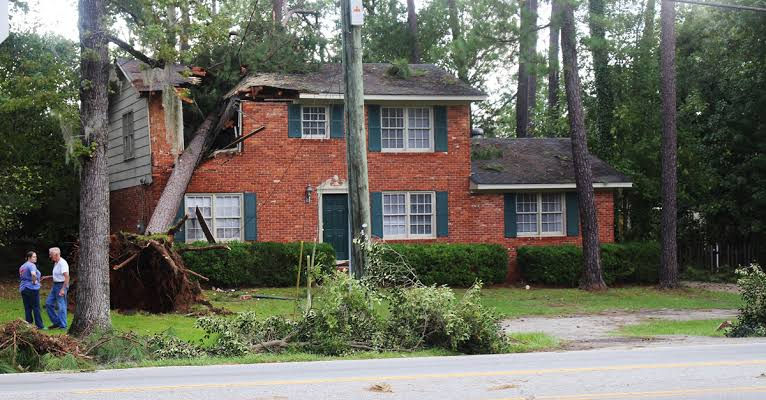
Most Pennsylvania municipalities exempt emergency tree removals when trees pose immediate danger to people or property, but documentation requirements still apply. Property owners must typically notify the municipality within 24 to 48 hours and provide evidence of the emergency, such as storm damage or structural instability.
Routine maintenance like Tree Trimming generally does not require permits unless removing more than 25% of the canopy. However, removing trees for construction projects, landscaping changes, or property development almost always triggers permit requirements. Dead trees often qualify for simplified permit processes, though officials may require certification from a certified arborist confirming the tree's condition.
Costs, Timelines, and Penalties
Permit fees in Westmoreland and Allegheny Counties typically range from $25 for small trees to $500 for large heritage specimens. Processing times vary from one week for straightforward requests to 60 days for trees requiring environmental review or public hearings.
Violations carry serious financial consequences, with fines starting at $300 per tree and escalating to $1,500 or more for repeat offenses. Some municipalities also require violators to plant multiple replacement trees, potentially costing thousands in additional landscaping expenses. The bottom line: permit fees represent a small investment compared to potential violation penalties.
People Also Ask
Do I need a permit to remove a dead tree in Pennsylvania?
Most Pennsylvania municipalities have simplified permit processes for dead trees, but you still need approval before removal. Many areas allow expedited permits or exemptions for dead trees, but property owners must provide documentation of the tree's condition. Contact your local code enforcement office to confirm specific requirements in your area.
How much does a tree removal permit cost in Pennsylvania?
Tree removal permit costs in Pennsylvania range from $25 to $500 depending on your municipality and tree size. Most communities charge $50 to $150 for standard permits, with additional fees for heritage trees or those requiring special review. Processing fees and inspection costs may apply separately from the basic permit fee.
What happens if I remove a tree without a permit in Pennsylvania?
Removing a tree without a required permit can result in fines from $300 to $1,500 per tree in most Pennsylvania municipalities. Violators may also face stop-work orders, required replacement plantings, and legal action from local authorities. Some areas impose daily penalties until violations are resolved and proper permits obtained.
How long does it take to get a tree removal permit in Pennsylvania?
Tree removal permit processing takes 7 to 30 days in most Pennsylvania communities, depending on local workload and tree complexity. Simple requests for dead or hazardous trees often receive faster approval, while heritage trees or those in sensitive areas may require 45 to 60 days. Emergency removals can sometimes be approved within 24 hours.
FAQ
Can I remove trees on my property line without neighbor permission?
Trees exactly on property lines typically require agreement from all affected property owners before removal, regardless of who initiated the request. Many municipalities also require written neighbor notification for trees within 10 to 25 feet of property boundaries. Survey documentation may be necessary to establish exact tree locations relative to property lines.
Do tree removal companies handle permit applications for customers?
Professional tree services often assist with permit applications as part of their service, though property owners remain legally responsible for compliance. Experienced companies understand local requirements and can streamline the application process significantly. However, permits are typically issued to property owners, not contractors, so your involvement in the process remains necessary.
What documentation do I need for a tree removal permit application?
Most permit applications require a site survey showing tree locations, photographs of the trees, and detailed reasons for removal. Some municipalities also request replacement landscaping plans, arborist reports for questionable tree health, and proof of property ownership. Applications may also need contractor information if you are hiring professional services.
Are there seasonal restrictions on tree removal in Pennsylvania?
Many Pennsylvania communities restrict tree removal during bird nesting season, typically April through July, to protect wildlife habitat. Some areas also limit removal during specific months to minimize environmental impact. Emergency Tree Service situations usually override seasonal restrictions, but documentation requirements still apply.
Get Professional Help with Your Tree Removal Project
Navigating tree removal permits in Pennsylvania requires local expertise and attention to detail that many homeowners simply do not have time to manage. Our team has helped hundreds of Manor, PA residents through the permit process while ensuring all work meets safety standards and local regulations. Understanding the complexities of municipal requirements, from Why Are Dead Trees Riskier to Remove in Summer? to permit compliance, makes the difference between a smooth project and costly complications.
Don't let permit confusion delay your tree removal project or expose you to unnecessary fines and legal issues. With years of experience serving Westmoreland and Allegheny Counties, we handle the paperwork while you focus on the results.
Visit Brinko Tree Service or call 724-863-7799 today. Our local expertise ensures your project stays compliant and on schedule from start to finish. Contact us for more information.



Comments