What Causes Tree Limbs to Break in Summer Heat?

AI Summary
Learn why summer heat increases the risk of sudden limb failure
Understand how drought, rapid growth, and hidden defects weaken branches
See how storms and full canopies add stress during hot months
Know when tree trimming, tree removal, and stump grinding help reduce hazards
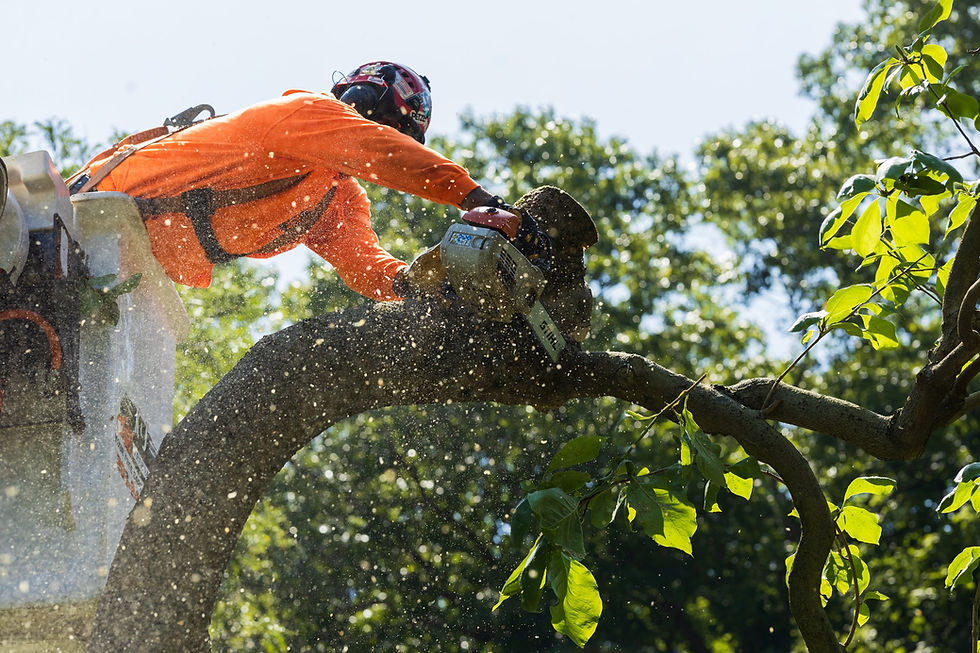
Summer heat creates a perfect storm of conditions that make tree limbs more likely to break. In Pittsburgh, Irwin, and across Western Pennsylvania, hot temperatures combine with humidity, fast growth, and frequent storms. Even trees that appear healthy can lose large limbs without warning during the summer months.
Limb failures often happen on calm days, not just during storms. Understanding what causes these breaks helps homeowners recognize risks early and take preventive action before damage occurs.
Heat Stress Weakens Tree Structure
Increased moisture loss
During hot weather, trees lose large amounts of water through their leaves. When moisture loss exceeds what roots can absorb, internal pressure drops, and wood fibers lose flexibility.
This stress can cause
Reduced limb strength
Micro-cracks inside branches
Brittle wood behavior
Branches under heat stress are more likely to snap instead of bend.
Drought conditions
Extended dry periods common in summer further weaken trees. Drought-stressed trees prioritize survival over structural strength, leaving limbs more vulnerable to failure.
Rapid Summer Growth Creates Weak Branches
Fast, elongated growth
Early summer growth often produces long, heavy limbs quickly. These fast-growing branches may not develop strong attachment points where they connect to the trunk.
Weak attachments are a leading cause of limb failure, especially when branches become overloaded with leaves.
Unbalanced canopies
Overgrown trees often develop uneven canopies. When weight is not evenly distributed, certain limbs carry more load and are more likely to fail under stress.
Strategic tree trimming helps rebalance canopy weight and reduce strain on vulnerable limbs.
Full Canopies Add Excess Weight and Wind Resistance
Leaves increase the load
By mid-summer, trees are fully leafed out. Leaves add significant weight to limbs, especially after rain.
Wet foliage can increase limb weight dramatically, pushing already stressed branches beyond their limits.
Wind resistance
Dense canopies act like sails. Even moderate summer winds apply a strong force to limbs, increasing bending stress and breakage risk.
Internal Decay Often Goes Unnoticed
Hidden rot
Many limb failures occur due to internal decay that is not visible from the outside. Fungi break down wood fibers over time, hollowing branches internally.
A limb may appear solid but fail suddenly when stressed by heat or wind.
Old injuries
Past storm damage, improper pruning cuts, or insect activity can create internal weaknesses. Summer heat accelerates decay in these damaged areas.
Insects and Pests Contribute to Limb Failure
Boring insects
Insects such as borers tunnel through branches, weakening the internal structure. Their activity increases during warm weather.
Secondary infestations
Heat-stressed trees are more susceptible to pests, compounding structural damage and increasing the likelihood of limb breakage.
Sudden Summer Limb Drop Phenomenon
Calm weather failures
Some trees experience sudden limb drop on hot, calm days. Large limbs break without wind or storms.
While not fully understood, this phenomenon is linked to
Heat stress
Internal moisture imbalance
Heavy limb weight
This makes summer limb failures especially unpredictable.
Storms Amplify Existing Weaknesses
Summer storms bring
Heavy rain
Sudden wind gusts
Lightning
These conditions exploit existing weaknesses caused by heat, growth, and decay. Limbs already under stress are far more likely to fail during storms.
Trees Most at Risk in Summer
Trees are more likely to lose limbs if they
Have dense, unmaintained canopies
Show signs of decay or disease
Are very mature or aging
Have long, horizontal branches
Grow in compacted or clay-heavy soil
Experienced drought stress
Older shade trees common in Western Pennsylvania neighborhoods are particularly vulnerable.
How Preventive Tree Care Reduces Limb Breakage
Professional inspections
Regular inspections identify
Weak branch attachments
Internal decay signs
Overloaded limbs
Structural imbalances
Early detection allows corrective action before failure occurs.
Proper summer trimming
Selective tree trimming removes dead, damaged, or overloaded limbs while minimizing stress on the tree.
Proactive tree removal
Some trees pose an ongoing risk due to structural decline. Tree removal eliminates the hazard entirely when trimming is no longer sufficient.
Stump grinding after removal
After removal, stump grinding clears remaining hazards and restores safe, usable space.
What Homeowners Should Avoid in Summer
Avoid
Heavy pruning during heat waves
Cutting large limbs without experience
Ignoring cracked or sagging branches
Waiting until after storms to act
Improper summer work can worsen stress and increase failure risk.
Warning Signs a Limb May Be at Risk
Watch for
Visible cracks where branches meet the trunk
Sagging or drooping limbs
Mushrooms or fungal growth
Bark peeling on branches
Sudden leaf drop on one limb
These signs indicate elevated risk and should be evaluated promptly.
People Also Ask
Can healthy trees still drop limbs in summer?
Yes. Heat stress and full canopies can cause failures even in healthy trees.
Is limb breakage more common in summer than in winter?
Yes. Leaves, heat, and storms significantly increase summer risk.
Does trimming prevent limb breakage?
Yes. Proper trimming reduces weight and improves structure.
Should broken limbs always be removed immediately?
Yes. Broken or hanging limbs are safety hazards.
FAQ
How often should trees be inspected for limb risk?
At least once a year and after major storms.
Is summer a bad time for tree care?
Selective care is safe, but heavy pruning should be avoided.
Can watering prevent limb breakage?
Watering helps reduce stress, but cannot fix structural defects.
Is stump grinding needed after removing a hazardous tree?
It is strongly recommended to eliminate trip hazards and regrowth.
Local Considerations for Pittsburgh and Irwin
Western Pennsylvania summers bring heat, humidity, and frequent storms. Mature trees growing close to homes are especially prone to limb failure during these conditions. Local experience helps identify risks unique to the region’s soil and climate.
Let Our Team Help Reduce Summer Limb Risks
Summer limb failures are often sudden and dangerous. Our team provides professional tree trimming, safe tree removal, and complete stump grinding to reduce risks and protect your property during the hottest months.
Call 412-373-7450 or fill out our online form to schedule a tree safety evaluation. We are here to help keep your trees and your property safe all summer long.


Comments