What Is Included in a Tree Removal Quote?
- Brinko Tree Service

- Mar 24
- 3 min read
AI Summary
Proper trimming reduces canopy weight and wind resistance
Removing weak limbs lowers the chance of breakage
Western PA storms make preventive trimming especially important
Strategic tree trimming, tree removal, and stump grinding reduce property risk

Why Storm Damage Is So Common in Western PA
Pittsburgh, Irwin, and surrounding Western Pennsylvania communities experience frequent summer thunderstorms, heavy rainfall, and occasional high winds. These conditions place significant stress on mature trees, especially those growing near homes and driveways.
Many homeowners wait until after a storm to deal with fallen limbs or damaged trees. However, preventive maintenance plays a major role in reducing storm damage before it happens.
The question is not whether storms will occur, but whether your trees are structurally prepared for them.
How Storms Stress Trees
Storm damage typically results from a combination of factors:
High wind pressure against dense canopies
Saturated soil reduces root stability
Heavy rainfall increases limb weight
Existing structural defects
When trees already have weak branch unions, internal decay, or overgrown canopies, storms expose those weaknesses quickly.
How Tree Trimming Reduces Storm Risk
Removing dead and weakened limbs
Dead branches are brittle and more likely to snap in the wind. Removing them through professional tree trimming eliminates one of the most common sources of storm damage.
This step alone significantly lowers the chance of falling debris.
Reducing canopy density
Dense canopies act like sails during storms. Wind resistance increases pressure on both limbs and roots.
Selective thinning allows wind to pass through more easily, reducing stress on the entire tree.
Correcting structural imbalances
Trees that grow unevenly may have more weight on one side. This imbalance increases leverage during high winds.
Strategic trimming redistributes weight and improves balance.
Strengthening branch attachments
Early correction of weak branch unions prevents splitting later. Addressing co-dominant stems before they crack reduces long-term risk.
When Trimming Is Most Effective
Late winter or early spring trimming is ideal for structural correction before peak storm season in Western PA.
However, hazardous limbs can be removed at any time of year.
Preparing trees before summer storm cycles begin is often the most effective strategy.
What Trimming Cannot Prevent
While trimming reduces risk, it cannot prevent all storm damage.
Severe storms may still cause
Uprooting in saturated soil
Lightning strikes
Extreme wind breakage
Trimming improves resilience but does not eliminate risk entirely.
When Removal Is the Safer Option
In some cases, trimming is not enough.
Tree removal may be recommended when:
The trunk has deep structural cracks
Root systems are severely compromised
Internal decay is extensive
The tree leans significantly toward a structure
Multiple high-risk defects exist
Removing a hazardous tree before storm season prevents emergency situations.
The Role of Stump Grinding
After tree removal, stump grinding completes the safety process.
Stump grinding:
Removes tripping hazards
Prevents regrowth
Reduces pest attraction
Restores yard usability
Proper follow-through ensures long-term safety.
Signs Your Tree Needs Pre-Storm Trimming
Consider scheduling trimming if you notice:
Large dead limbs
Branches touching your roof
Dense canopy blocking airflow
Cracks at branch unions
Excessive overhang above driveways
These warning signs increase storm damage potential.
Western PA Environmental Factors
Western Pennsylvania’s clay-heavy soil retains water, reducing root stability after heavy rain. Combined with mature trees and tight residential spacing, this increases property damage risk during storms.
Preventive trimming tailored to local conditions improves storm resilience.
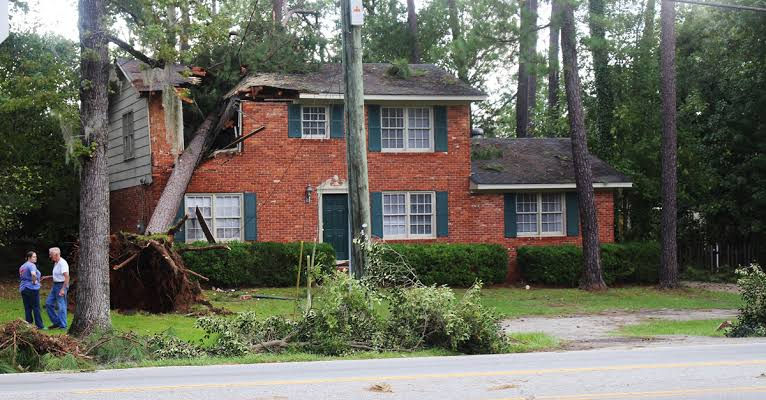
The Cost of Waiting
Ignoring maintenance may lead to:
Roof damage
Broken fences
Vehicle impact
Power outages
Emergency removal expenses
Preventive care is typically more affordable than repairing storm damage.
People Also Ask
Does trimming make trees stronger?
Yes. Proper trimming improves structure and reduces wind resistance.
How often should trees be trimmed for storm protection?
Most trees benefit from trimming every one to three years.
Can trimming prevent uprooting?
It reduces canopy stress but cannot fully prevent root failure in extreme conditions.
Is trimming better than topping?
Yes. Topping weakens trees and increases storm vulnerability.
FAQ
Should I trim trees before every storm season?
Regular maintenance before peak storm months is recommended.
Can I trim trees myself?
Large trees require professional equipment and experience for safety.
Does trimming improve property value?
Yes. Well-maintained trees enhance curb appeal and reduce liability.
Is stump grinding part of storm prevention?
It prevents future hazards after tree removal.
Local Considerations for Pittsburgh and Irwin
Storm patterns in Western PA make proactive tree care essential. Mature trees near homes require consistent evaluation and trimming to withstand seasonal weather.
Let Our Team Help Prepare Your Trees for Storm Season
Storms are unavoidable, but damage can often be reduced with proper preparation. Our team provides professional tree trimming, safe tree removal, and complete stump grinding to protect properties throughout Western Pennsylvania.
Call 412-373-7450 or fill out our online form to schedule a storm readiness evaluation. We are here to help strengthen your trees before the next storm arrives.



Comments