What to Do with a Dead Ash Tree on Your Property
You noticed it last spring: no new leaves, bark starting to peel, and a few branches snapping off after that last heavy storm. If you have an ash tree on your property that stopped coming back, there is a good chance the emerald ash borer is responsible. This invasive beetle swept westward across Pennsylvania, moving through Allegheny and Westmoreland Counties and killing untreated ash trees within just a few seasons of infestation. What looked like a healthy shade tree a few years ago can now be a brittle, top-heavy hazard standing over your yard, driveway, or roofline.
The problem is not just the dead tree itself but everything that comes with it: the risk of falling limbs, the liability if something comes down on a neighbor's fence, and the urgency that builds every time a summer storm rolls through the region. This post walks you through what to expect, what questions to ask, and how to move from "I think that tree is dead" to a cleared yard and peace of mind. Homeowners in Manor, PA and surrounding communities handle this situation every year, and professional Tree Removal is almost always the right call. Here is why that decision matters more than you might think.
Why Dead Ash Trees in Western PA Carry Unique Risks
The emerald ash borer did not arrive everywhere at once. It entered Pennsylvania through the western counties first, which means Westmoreland and Allegheny County properties have had longer exposure to the pest than many parts of the state. By the time most homeowners realize their ash tree is dead, the wood has often been compromised for two or three full growing seasons. That extended decay window makes the structural integrity of affected trees far less predictable than, say, a tree that died from a single storm event.
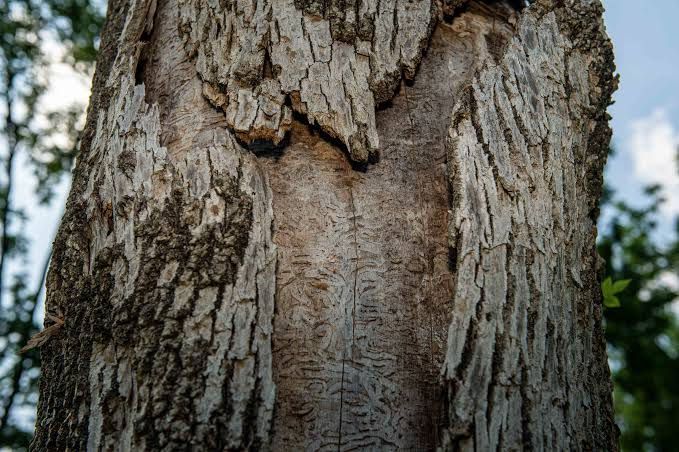
Removing a dead ash tree in PA carries added complexity because of how the emerald ash borer damages the tree from the inside out. The larvae feed on the tissue just beneath the bark, disrupting the tree's ability to transport water and nutrients. The result is wood that may look solid on the outside but has already begun breaking down internally. For homeowners in Irwin, Harrison City, and Export, this means a dead ash can fail without much warning, especially once high winds or ice loading enter the picture.
The Real Hazard: When a Dead Ash Becomes a Liability
A dead tree does not stay put. Bark loosens, branches weaken, and the root system loses its grip on the soil over time. In the Manor and Greensburg areas, summer storms with high winds are a recurring reality, and a dead ash in your yard does not need a severe storm to shed a limb. Even moderate wind events have been known to bring down large sections of structurally compromised trees. That limb landing on a car, a fence, or a neighbor's property shifts from a yard problem into a homeowner insurance conversation fast.
Pennsylvania does not have a statewide statute holding property owners automatically liable for every falling limb, but courts have consistently looked at whether the owner knew or should have known the tree was hazardous. If an arborist assessment or even a written complaint from a neighbor is already on record, that awareness changes your exposure significantly. Acting before a failure event is not just safer, it is the financially smarter position. Getting a professional assessment scheduled before the next storm season closes that window of uncertainty.
How Storm Damage Escalates an Already-Risky Situation
If a storm has already knocked limbs from your dead ash, or if the trunk has started to lean, you are past the planning stage and into an emergency. Hanging limbs, split crotches, and leaning trunks on dead trees are precisely the scenarios that call for Emergency Tree Service rather than a scheduled appointment. The risk of a secondary failure while a compromised tree is being worked on is real, and it requires equipment, training, and a team that knows how to sequence a removal safely.
What About the Stump Left Behind
Once the tree comes down, the stump stays until you deal with it. A dead ash stump left in place can continue to harbor pests, create a tripping hazard, and interfere with any replanting or landscaping plans. Stump Grinding eliminates the stump at the root level, leaving the area ready for grass seed, a garden bed, or a new tree. Most homeowners who go through the effort of having a dead ash removed choose to have the stump handled at the same time, which simplifies the project and typically saves a return trip.
What Drives the Cost of Removing a Dead Ash Tree
No two removals are priced the same way, and anyone quoting a flat fee without seeing your property should give you pause. The factors that most directly affect cost include the height and diameter of the tree, its proximity to structures, power lines, or fences, the degree of internal decay that affects how it can be safely sectioned, and whether the debris needs to be hauled away or can be left chipped on site. A tree that stands clear of obstacles in an open yard is a very different project from one that leans over a garage in a tight suburban lot in Murrysville.
The good news is that getting an accurate quote is straightforward. A professional crew will walk the property, assess the tree's condition, and give you a clear scope of work before any equipment rolls in. Do not let cost uncertainty push you toward waiting. A dead ash that fails on its own rarely makes cleanup cheaper. It almost always makes it harder, more expensive, and more disruptive.
Signs a Tree Service Is Worth Trusting With This Job
Not every tree company that shows up after a storm is the right one for the work. For a structurally compromised dead ash, you want a crew that is licensed, insured, and experienced with the specific challenges these trees present. Look for a company that conducts a site visit before quoting, communicates clearly about how the removal will be sequenced, and can show you proof of liability coverage before work begins. Ask whether they handle Tree Trimming of surrounding trees that may be affected by the removal, since neighboring branches sometimes need clearing to create a safe drop zone.
Word of mouth in communities like Irwin and Harrison City carries real weight. A company with years of roots in Westmoreland County has a reputation to protect on every job, which is a stronger guarantee than any promise made at the door.
FAQ
How do I know if my ash tree is dead or just stressed?
A dead ash tree will show no new leaf growth in spring, may have loose or peeling bark with distinctive S-shaped galleries beneath it caused by emerald ash borer larvae, and will have branches that snap rather than bend. A stressed tree may still produce some foliage at the lower crown. If you are unsure, a professional assessment will give you a definitive answer before you commit to removal.
Is it safe to wait until next season to remove a dead ash tree?
Waiting increases the risk because the wood continues to deteriorate with each freeze-thaw cycle and every storm season. A dead ash that has been standing for more than one season is already unpredictable in how and when it may fail. Scheduling removal promptly is the safest path for your property and for anyone nearby.
How long does dead ash tree removal typically take?
Most single-tree removals can be completed in a half-day to a full day, depending on the tree's size, location, and condition. A tree in a tight space with significant decay may require more careful sectioning and take longer. Your crew will give you a realistic timeline during the site assessment.
Do I need a permit to remove a dead tree in Pennsylvania?
Permit requirements vary by municipality, not by state law. Some townships in Westmoreland and Allegheny Counties require a permit for tree removal even on private property, while others do not. A licensed local tree service familiar with the area can help you determine what your municipality requires before work begins.
What should I plant after removing a dead ash tree?
Native species that are resistant to common regional pests make strong replacements. Red maple, serviceberry, and native oaks are popular choices across western Pennsylvania because they establish well in local soil conditions and provide wildlife habitat. Ask your tree service whether the stump area needs any additional preparation before replanting.
How do I get a quote from Brinko Tree Service for ash tree removal?
You can reach Brinko Tree Service by phone or through the contact form on their website to schedule a property visit. The team will assess the tree, review access and surrounding conditions, and provide a clear quote before any work begins. There is no obligation, and a fast response means you get answers before the situation changes.
Trusted Local Tree Care When You Need It Most
With nearly 20 years of experience serving homeowners across Manor, Irwin, Greensburg, and the broader Westmoreland and Allegheny County region, the team at Brinko Tree Service has handled hundreds of dead and hazardous ash tree removals of every size and complexity. We understand what these trees look like after years of emerald ash borer damage, how they behave during removal, and how to get the job done safely with minimal disruption to your property.
If you have a dead ash on your lot, do not wait for the next storm to make the decision for you. Whether you have been researching this for weeks or a limb came down last night, our crew is ready to respond quickly and professionally.
Visit Brinko Tree Service or call 412-373-7450 today. Getting a professional assessment scheduled now means your property is protected before the next storm season arrives. Contact us for more information.



Comments