Why Are Older Trees More Likely to Fail?
- Brinko Tree Service
- Apr 2
- 4 min read
AI Summary
Aging trees often develop internal decay, structural defects, and root weakness
Western PA storms and saturated soil increase stress on mature trees
Large canopies create more wind resistance and limb weight
Preventive tree trimming, tree removal, and stump grinding reduce risk

Why Mature Trees Require More Attention
Older trees add character, shade, and value to properties across Pittsburgh, Irwin, and throughout Western Pennsylvania. Many neighborhoods are known for their mature canopy trees that have been growing for decades.
However, as trees age, their structural integrity naturally changes. Just like any living organism, trees experience wear, stress, and decline over time. While many mature trees remain healthy for decades, others develop weaknesses that make them more likely to fail during storms or heavy winds.
Understanding why older trees are more vulnerable helps homeowners identify potential risks early.
Internal Decay Develops Over Time
Fungal infections increase with age
As trees grow older, they accumulate small wounds from storms, pruning cuts, insects, and environmental stress. These openings allow fungi to enter the wood and begin breaking down internal tissues.
Over time, this process creates decay inside the trunk or large limbs. The outside of the tree may still appear healthy, but the interior wood can become hollow or weakened.
Hidden structural damage
Internal decay often goes unnoticed for years. Eventually, the remaining healthy wood may not be strong enough to support the canopy, especially during high winds.
Larger Canopies Create More Stress
Older trees usually have larger and heavier canopies than younger trees.
A mature canopy creates
More surface area for wind to push against
Increased limb weight during rainstorms
Greater leverage on the trunk and root system
During storms common in Western Pennsylvania, this additional stress increases the likelihood of limb breakage or tree failure.
Selective tree trimming can reduce canopy weight and improve balance.
Weakened Branch Attachments
Over decades of growth, large branches may develop structural weaknesses.
Common issues include
Co-dominant stems
Narrow branch unions
Long horizontal limbs
These structural weaknesses make branches more susceptible to splitting or snapping during storms.
Root System Decline
Roots provide the primary anchoring system for a tree. As trees age, root systems may weaken due to several factors.
Soil compaction
Urban and suburban environments often expose roots to compacted soil from foot traffic, vehicles, or construction.
Root decay
Just like the trunk, roots can experience fungal decay that reduces their strength.
Construction damage
Excavation or utility installation near older trees may damage major roots.
When roots weaken, the tree becomes more vulnerable to uprooting during storms.
Environmental Stress Over Time
Trees in Western Pennsylvania face decades of environmental stress, including
Strong windstorms
Heavy rainfall
Snow and ice accumulation
Freeze-thaw cycles
These repeated stress events gradually weaken structural components.
Older trees have simply experienced more of these events than younger ones.
Lightning and Storm Damage Accumulation
Over time, mature trees are more likely to experience lightning strikes or storm injuries.
Even if the tree survives these events, hidden damage may remain. Cracks, cavities, and internal fractures can worsen over the years.
Warning Signs an Older Tree May Be Failing
Homeowners should watch for
Large dead limbs
Mushrooms or fungal growth at the base
Visible trunk cracks
Leaning after storms
Hollow-sounding trunk sections
Excessive leaf drop in one area
These signs may indicate structural decline.
Why Location Matters
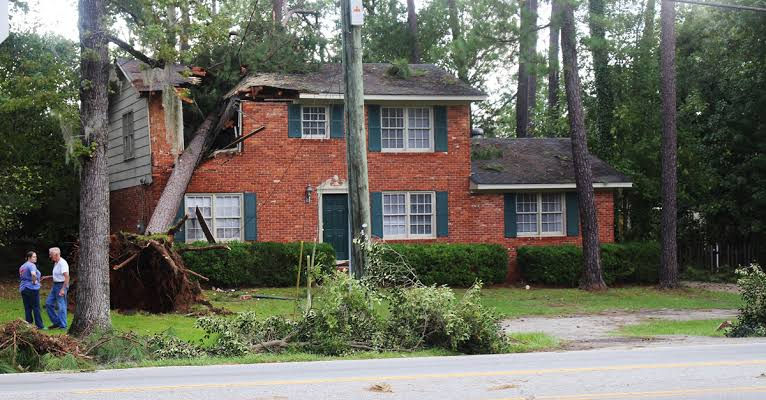
Older trees growing close to homes, garages, or driveways present a greater risk because failure could cause property damage.
In these cases, proactive management becomes especially important.
Preventive Tree Trimming
Professional tree trimming helps older trees remain safer and healthier.
Trimming can
Remove dead or weakened limbs
Reduce canopy weight
Improve airflow through branches
Correct structural imbalances
Routine trimming helps extend the life of mature trees.
When Tree Removal Is Necessary
Sometimes, tree removal becomes the safest option.
Removal may be recommended when
Internal decay is severe
The trunk shows deep cracks
Roots are unstable
The tree leans toward structures
Multiple structural defects are present
Removing a high-risk tree prevents costly storm damage.
The Importance of Stump Grinding
After removal, stump grinding completes the process.
Stump grinding
Removes tripping hazards
Prevents pest infestations
Stops unwanted regrowth
Restores yard space
This step ensures the entire hazard is addressed.
Why Regular Inspections Are Important
Older trees should be inspected regularly to monitor structural health.
Annual inspections help identify problems early and allow corrective action before storms expose weaknesses.
People Also Ask
Are older trees always dangerous?
No, many mature trees remain healthy with proper care.
Can trimming extend the life of an older tree?
Yes, trimming can improve structure and reduce stress.
Do older trees fall more often in storms?
They can be more vulnerable due to accumulated stress and decay.
Should I remove large trees near my home?
It depends on the tree’s condition and structural stability.
FAQ
How often should older trees be inspected?
At least once per year and after severe storms.
Can internal decay be reversed?
Decay cannot be reversed, but risk can sometimes be managed.
Is stump grinding necessary after removal?
Yes, it eliminates hazards and prevents regrowth.
Are mature trees worth preserving?
When structurally healthy, mature trees provide significant environmental and aesthetic value.
Local Considerations for Pittsburgh and Irwin
Western Pennsylvania neighborhoods often contain mature trees that have been growing for decades. These trees require careful maintenance due to storm exposure, clay soil, and tight residential spacing.
Let Our Team Help Evaluate Your Mature Trees
Older trees require expert attention to remain safe and healthy. Our team provides professional tree trimming, safe tree removal, and complete stump grinding to protect properties throughout Western Pennsylvania.
Call 412-373-7450 or fill out our online form to schedule a tree evaluation. We are here to help you keep your mature trees strong and your property protected.



Comments