Do I Need a Permit to Remove a Tree?
- Brinko Tree Service

- Mar 19
- 3 min read
AI Summary
Permit requirements vary by municipality, not by state alone
Some PA towns regulate tree removal, especially protected or street trees
Emergency removals may have different rules
Professional tree removal and stump grinding ensure compliance and safety

Tree Removal Laws in Pennsylvania
Many homeowners in Pittsburgh, Irwin, and surrounding Western Pennsylvania communities ask whether a permit is required before removing a tree. The answer depends on where the property is located and the type of tree involved.
Pennsylvania does not have a statewide permit requirement for removing trees on private residential property. However, individual municipalities may have their own local ordinances that regulate tree removal.
Before scheduling tree removal, it is important to understand local rules to avoid fines or complications.
When a Permit Is Typically Not Required
In many residential areas of Western PA, homeowners can remove trees on their private property without obtaining a permit, especially if the tree is
Fully within property boundaries
Not designated as protected
Not located within a regulated district
Not part of a commercial development
However, this varies by municipality.
Situations Where a Permit May Be Required
Street or right-of-way trees
Trees located between the sidewalk and street, often called street trees, are commonly regulated. Even if the tree appears to be on your property, it may technically fall within a public right-of-way.
Municipal approval is often required before removal.
Protected or heritage trees
Some towns designate certain large or historic trees as protected. Removing these trees may require approval and sometimes replacement planting.
Trees in conservation or environmentally sensitive areas
Properties located near streams, wetlands, or conservation zones may be subject to additional environmental regulations.
New construction or land development
If tree removal is part of a development or lot clearing project, permits are often required. Local zoning or planning offices may regulate large-scale clearing.
Homeowners associations
Some neighborhoods governed by HOAs may have tree removal restrictions independent of municipal law.
Emergency Tree Removal
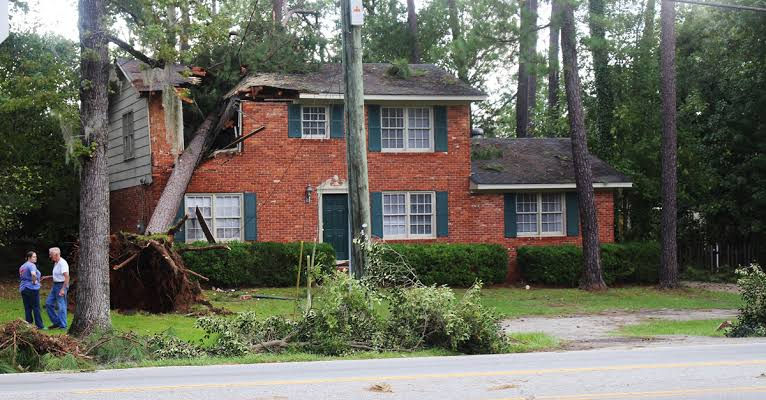
If a tree poses an immediate safety hazard, such as
Leaning toward a home
Blocking a driveway
Damaged during a storm
Entangled in power lines
Emergency removal may proceed without prior permit approval in some areas. However, documentation is often recommended.
Always confirm local guidelines when possible.
Why Checking Local Regulations Matters
Removing a regulated tree without proper authorization may result in
Fines
Required replanting
Stop work orders
Delays in property sales
Confirming requirements protects homeowners from unexpected penalties.
How to Check Permit Requirements
Homeowners in Western Pennsylvania can typically verify requirements by
Contacting their local borough or township office
Reviewing municipal ordinances online
Calling the local zoning or code enforcement department
A professional tree service familiar with local regulations can also assist with guidance.
What About Stump Grinding?
In most municipalities, stump grinding does not require a permit once the tree has been legally removed. However, stump removal as part of larger land development may fall under separate regulations.
When Tree Removal Is the Safer Option
Regardless of permit requirements, removal is often recommended when a tree is
Structurally unsafe
Severely decayed
Leaning significantly
Causing foundation damage
Threatening power lines
Proactive tree removal prevents property damage and liability concerns.
The Role of Professional Tree Services
Experienced professionals understand
Local permit guidelines
Safe removal practices
Insurance requirements
Cleanup standards
Professional service ensures compliance and reduces risk.
Why Regulations Exist
Tree ordinances are often created to
Preserve urban canopy
Prevent erosion
Protect neighborhood aesthetics
Reduce stormwater runoff
While regulations may seem inconvenient, they are designed to balance private property rights with community environmental goals.
People Also Ask
Do all towns in PA require tree removal permits?
No. Permit requirements vary by municipality.
Can I remove a dead tree without a permit?
Often yes, but confirm local regulations first.
Are permits required for trimming trees?
Typically, no, unless the tree is protected or within a public right-of-way.
Does insurance require a permit for removal?
Insurance policies do not usually require permits, but municipalities may.
FAQ
How do I know if my tree is in the public right-of-way?
Check property surveys or contact your local municipality.
Are permits needed for stump grinding?
Usually not, unless part of a larger regulated project.
Can I remove trees before selling my home?
Yes, but ensure local compliance to avoid issues during closing.
Is emergency removal treated differently?
Often yes, but documentation may still be required.
Local Considerations for Pittsburgh and Irwin
In Western Pennsylvania, most standard residential tree removals do not require permits. However, borough regulations can differ. Always confirm with your local municipality before scheduling removal.
Let Our Team Help You Navigate the Process
Understanding whether you need a permit is an important first step. Our team provides professional tree removal and complete stump grinding while helping homeowners in Western PA stay compliant with local guidelines.
Call 412-373-7450 or fill out our online form to schedule an evaluation. We are here to provide safe, professional service and clear guidance every step of the way.



Comments