How Much Does Professional Tree Removal Cost?
- Brinko Tree Service
- Mar 17
- 4 min read
AI Summary
Tree removal costs vary based on size, location, access, and risk
Larger trees and those near structures cost more to remove
Emergency and crane removals increase overall pricing
Professional tree removal and stump grinding improve safety and property value

Understanding Tree Removal Costs in Pennsylvania
Homeowners in Pittsburgh, Irwin, and throughout Western Pennsylvania often ask how much professional tree removal costs. The honest answer is that pricing varies widely depending on several key factors.
Tree removal is not priced by a flat rate. Each tree presents unique risks, size considerations, and access challenges. Understanding what affects pricing helps set realistic expectations and ensures safe, professional service.
Average Tree Removal Cost Range
In Pennsylvania, typical residential tree removal costs can range anywhere from a few hundred dollars for small trees to several thousand dollars for large, high-risk removals.
Cost generally increases with
Tree height
Trunk diameter
Proximity to structures
Difficulty of access
Equipment required
Large trees in established Western PA neighborhoods often require careful dismantling rather than simple felling.
Tree Size Is the Primary Cost Factor
Small trees
Trees under 30 feet tall are typically less expensive because they require less labor and smaller equipment.
Medium trees
Trees between 30 and 60 feet involve more controlled cutting and sectioning.
Large trees
Trees over 60 feet tall significantly increase the cost due to
Increased labor time
Rigging and safety systems
Controlled lowering of heavy limbs
Higher insurance risk
Large canopy trees common in Pittsburgh suburbs often fall into this category.
Location and Accessibility
Proximity to structures
Trees close to homes, garages, decks, or fences require precise dismantling. Crews must lower limbs carefully to avoid damage.
This controlled process increases labor time and equipment use.
Limited yard access
Backyards with narrow gates, steep slopes, or fenced areas may prevent heavy equipment access. When equipment cannot reach the tree easily, manual labor increases cost.
Near power lines
Trees growing into or near power lines require additional safety precautions and coordination, increasing overall pricing.
Tree Condition and Risk Level
Dead trees
Dead trees are often more dangerous to remove because the wood becomes brittle. Limbs may break unpredictably during cutting.
Storm-damaged trees
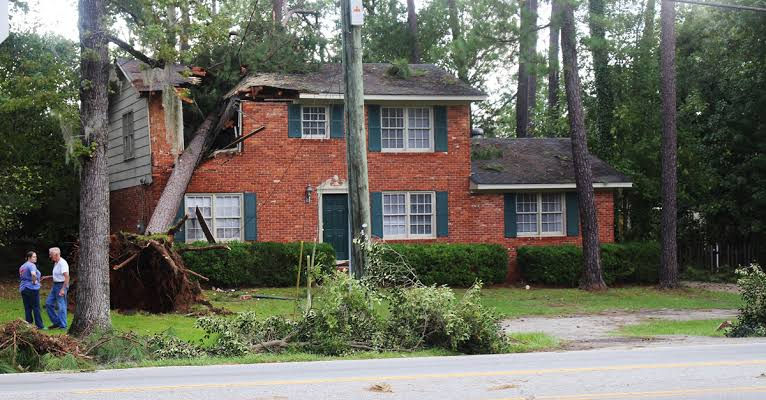
Partially fallen or cracked trees may require emergency stabilization before removal.
Leaning or structurally compromised trees
Trees with severe lean or root damage increase complexity and safety risk.
Higher risk removals typically cost more due to specialized safety measures.
Equipment Requirements
Standard removal equipment
Basic removals use chainsaws, ropes, and rigging systems.
Crane-assisted removal
Some trees require crane removal when
They are extremely tall
They are surrounded by structures
They are growing on steep slopes
There is limited drop zone space
Crane use significantly increases cost but improves safety and efficiency.
Emergency Tree Removal Costs
Emergency removal after storms often costs more because
Crews respond outside normal hours
Conditions may be hazardous
Immediate action is required
Planned removal is usually more cost-effective than emergency service.
Is Stump Grinding Included?
In many cases, stump grinding is priced separately from tree removal.
Stump grinding costs depend on
Stump diameter
Root spread
Depth required
Yard access
Removing the stump eliminates tripping hazards and prevents regrowth.
Additional Cost Considerations
Other factors that may influence pricing include
Debris removal and hauling
Log cutting and disposal
Site cleanup
Permit requirements in certain municipalities
Insurance coverage and liability protection
Professional services include proper cleanup and debris management.
Why Professional Tree Removal Is Worth the Cost
Attempting to remove a tree without professional experience can lead to
Property damage
Personal injury
Utility line impact
Improper cutting techniques
Insurance complications
Professional tree removal ensures
Controlled dismantling
Proper rigging techniques
Full cleanup
Compliance with local safety standards
When Removal Is More Cost-Effective Than Trimming
Sometimes homeowners repeatedly trim a hazardous tree. In cases of severe decay, root damage, or structural instability, full removal may be more economical long-term.
Removing a high-risk tree reduces liability and ongoing maintenance costs.
People Also Ask
Why do large trees cost more to remove?
They require more labor, equipment, and safety precautions.
Is crane removal always necessary?
Only when access or risk level demands it.
Does insurance cover tree removal?
Coverage depends on the policy and circumstances.
Is stump grinding required after removal?
It is recommended to eliminate hazards and prevent regrowth.
FAQ
Can I get a quote without an inspection?
Accurate pricing typically requires on-site evaluation.
Is removal cheaper in winter?
Sometimes, depending on access and scheduling.
Are emergency removals more expensive?
Yes. Planned removal is usually more affordable.
How long does tree removal take?
Most residential removals take several hours to a full day, depending on size and complexity.
Local Considerations for Pittsburgh and Irwin
Western Pennsylvania’s mature tree canopy, sloped terrain, and dense neighborhoods increase the complexity of many removals. Access and safety planning are key pricing factors in this region.
Let Our Team Provide a Safe and Accurate Estimate
Every tree removal project is unique. Our team provides professional tree removal and complete stump grinding tailored to Western Pennsylvania properties.
Call 412-373-7450 or fill out our online form to schedule a free evaluation. We are here to provide safe, transparent pricing and protect your property with expert service.



Comments