How Do I Check Tree Stability After Rainstorms?
- Brinko Tree Service

- Dec 23, 2025
- 4 min read
AI Summary
Learn how heavy rain affects tree roots, soil strength, and overall stability
Understand the warning signs that a tree may be leaning, shifting, or at risk of falling
Know when rain-related instability requires tree trimming, structural evaluation, or tree removal
Explore People Also Ask topics and FAQs for quick post-storm guidance

How Do I Check Tree Stability After Rainstorms?
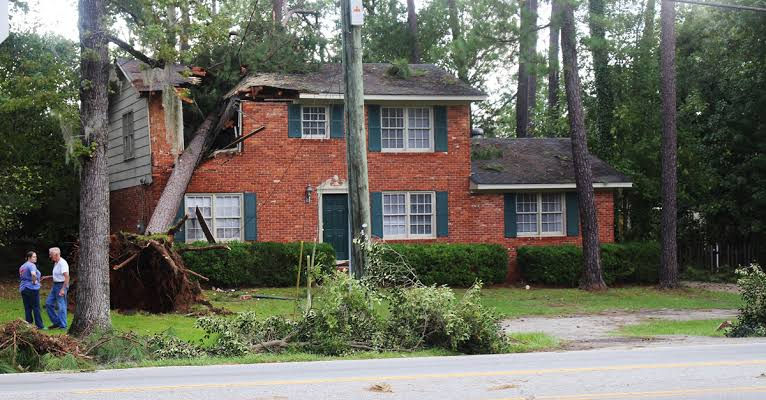
Rainstorms are common in Irwin and Pittsburgh, and while trees are built to handle moisture, heavy or prolonged rainfall can weaken their root systems and soil support. When the ground becomes saturated, roots lose anchoring strength. Even healthy trees may lean, shift, or become unstable after severe rain. Because Western Pennsylvania often experiences storms paired with wind, this combination increases the risk of trees falling onto homes, driveways, or utility lines.
Knowing how to check tree stability after a rainstorm helps you spot hazards early and protect your property. Below is a complete guide to evaluating trees safely after wet weather, along with when to call a professional for help.
Why Rainstorms Impact Tree Stability
Saturated soil reduces root anchoring
When the soil becomes waterlogged, air pockets disappear, and roots cannot grip firmly. Trees may wobble, lean, or shift slightly as the soil loosens. Clay-heavy soil, common in Irwin and Pittsburgh, absorbs water slowly, making it especially prone to saturation.
Shallow or damaged roots lose strength
Shallow-rooted trees like maples, birch, spruce, and willow are more vulnerable in wet conditions. If roots are already compromised by rot, pests, or construction, rain makes them even weaker.
Rain followed by wind increases the risk
Even moderate wind can push a tree over when the soil is soft. Many storm-related failures occur the day after rainfall.
Rain exposes hidden decay
Moisture can seep into trunk cracks, cavities, and old wounds, revealing rot or structural instability.
Step-by-Step Guide to Checking Tree Stability After Rainstorms
Always begin by observing from a safe distance. Do not stand directly under a tree that shows signs of instability.
Step 1: Look for new learning
A tree that suddenly leans after a rainstorm is a major warning sign. Check for
Newly tilted trunk
Leaning toward a structure
Leaning combined with soil disturbance
If the lean is recent, the tree may be uprooted.
Step 2: Examine the soil around the base
Saturated soil often leaves clues of movement. Look for
Cracked or raised soil
Soil bulging on one side
Exposed roots
Gaps between the trunk and the soil
These signs indicate root plate movement, one of the most dangerous post-storm symptoms.
Step 3: Inspect the trunk for cracks
Rain can highlight trunk issues by darkening wet bark, making cracks easier to see. Look for
Fresh vertical splits
The bark is separating from the wood beneath
Rotting or soft areas near the base
Cracks weaken the tree’s ability to withstand additional storms.
Step 4: Check for hanging or broken limbs
Rain adds weight to branches, especially on dense or previously damaged limbs. Broken or partially detached branches may fall later, even in calm weather.
Step 5: Look for mushrooms or conks
Rain encourages fungus to fruit, making mushrooms more visible. Fungal conks at the base indicate internal decay, which greatly increases failure risk.
Step 6: Observe the canopy
Uneven leaf color, thinning areas, dead branches, or sudden drooping can indicate root or vascular issues made worse by wet soil.
Step 7: Assess evergreen stability
Evergreens trap more water and stay heavier after storms. Check for
Bent crowns
Uneven leaning
Split limbs
Spruce and arborvitae often lean or collapse after heavy rainfall.
When Tree Instability Becomes Dangerous
A tree becomes hazardous after rain when
The lean appears suddenly
The lean is more than 15 degrees
Soil is lifting or cracking
Large roots are exposed
The trunk shows fresh splitting
Branches are breaking or falling
Mushrooms appear at the base
The tree wobbles when pushed by the wind
Any of these indicates a high risk of failure, especially during the next storm. In these cases, professional evaluation is critical.
How Professionals Check Tree Stability After Storms
A trained tree care team evaluates
Root plate integrity
Soil moisture and erosion
Trunk condition
Hidden decay
Canopy balance
Lean severity and direction
Species-specific vulnerabilities
Depending on the findings, they may recommend
Corrective tree trimming to reduce wind load
Cabling or bracing for temporary structural support
Soil improvement or drainage enhancement
Hazard limb removal
Full tree removal when stability cannot be restored
Stump grinding after removal for safety and replanting
Professional assessment is the safest option for trees near homes, driveways, and property lines.
People Also Ask
How do I know if my tree is uprooting?
Look for raised soil, exposed roots, or a sudden lean. These signs usually indicate root plate movement.
Are trees more likely to fall after rain?
Yes. Saturated soil significantly increases the risk, especially when followed by wind.
Should I push my tree to test stability?
No. This can cause the tree to shift further or fall. Always observe from a distance.
What trees fall most often in wet soil?
Shallow-rooted species like spruce, birch, and willow are common storm casualties.
FAQ
Q: Should I remove a tree that leans slightly?
A: A long-standing, gradual lean may be stable. A new lean after rain is dangerous and often requires evaluation or removal.
Q: Can trimming prevent storm damage?
A: Yes. Proper tree trimming reduces canopy weight and wind resistance.
Q: Do fallen branches always mean a tree is unstable?
A: Not always, but repeated breakage suggests deeper issues.
Q: How soon should I call for help after a storm?
A: Immediately if the tree leans, shows cracking, or threatens your home.
Local Considerations for Irwin and Pittsburgh
The clay soil, steep hillsides, and frequent rain events in Western Pennsylvania create conditions where post-storm instability is common. Trees on slopes, in compacted soil, or near structures are especially vulnerable. Regular inspections during rainy seasons help prevent unexpected failures.
Let Our Team Help Keep Your Property Safe
If you are unsure whether a tree is stable after a rainstorm, our team can evaluate it and recommend the safest solution. We offer expert tree trimming, safe tree removal, and full stability assessments for Irwin and Pittsburgh homeowners.
Call 412-373-7450 or fill out our online form for a post-storm inspection. We are here to help protect your property through every season.



Comments