How Do I Know If a Tree Is Structurally Unsafe?
- Brinko Tree Service
- Mar 2
- 5 min read
AI Summary
Structural weakness often shows through leaning, cracks, decay, or root damage
Summer storms and saturated Western PA soil increase failure risk
Many unsafe trees display warning signs before falling
Proactive tree trimming, tree removal, and stump grinding reduce serious hazards
Why Structural Tree Safety Matters in Western PA
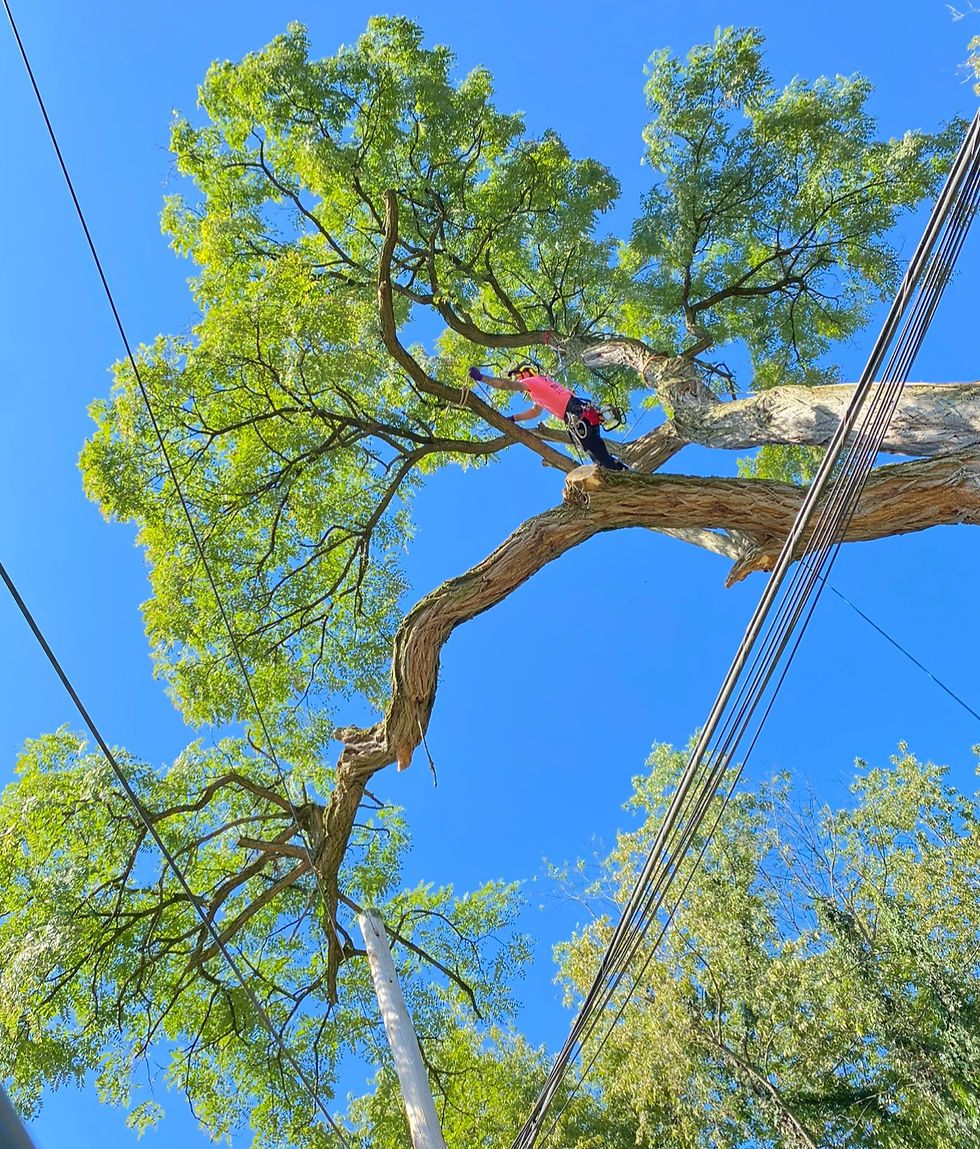
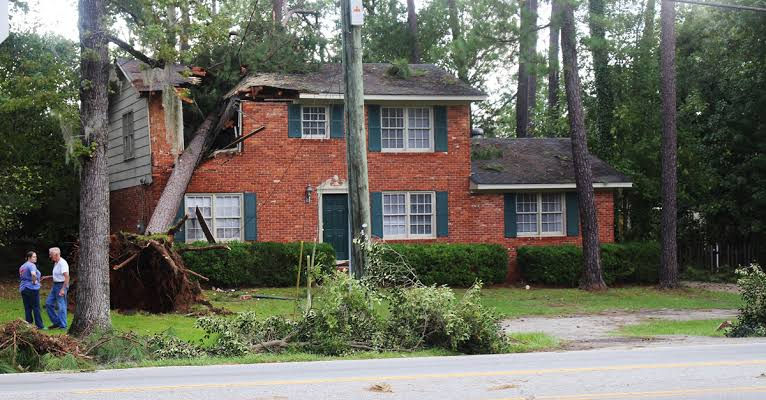
Trees add beauty, shade, and value to properties across Pittsburgh, Irwin, and surrounding Western Pennsylvania communities. However, when a tree becomes structurally unsafe, it shifts from being an asset to a liability. Mature trees growing near homes, garages, driveways, and power lines can cause significant damage if they fail.
Structural weakness does not always mean a tree is dead. Many unsafe trees still have green leaves and appear healthy at first glance. The key is recognizing early warning signs before storms or heavy winds expose hidden defects.
What Makes a Tree Structurally Unsafe?
A structurally unsafe tree is one that has a high likelihood of breaking, splitting, or uprooting due to internal weakness, poor root stability, or imbalance. Structural instability can result from decay, storm damage, construction impact, improper pruning, or natural aging.
Western Pennsylvania conditions, such as clay-heavy soil, sloped terrain, and frequent summer storms, can amplify these weaknesses.
Leaning or Sudden Shifts in Position
When leaning becomes dangerous
Some trees naturally grow at a slight angle. However, a sudden or increasing lean is a major warning sign.
Watch for
A tree that recently started leaning
Soil lifting or cracking near the roots
Exposed roots on one side
A lean that worsens after heavy rain
Saturated soil reduces root grip, especially in clay-based soil common in Pittsburgh and Irwin. A newly leaning tree often indicates root failure and may require immediate evaluation for tree removal.
Cracks in the Trunk or Major Branches
Structural fractures
Cracks in the trunk or where large branches connect to the main stem weaken the tree’s ability to support weight.
Look for
Vertical splits running along the trunk
Deep seams at branch unions
Bark separating from wood
Open cavities are forming around cracks
These defects increase the chance of splitting during high winds.
Multiple or Weak Branch Unions
Co-dominant stems
Trees with two or more large trunks growing from the same base often develop weak attachment points.
These stems
Compete for space
Create tight V-shaped unions
Trap moisture and decay
Such trees are more prone to splitting during storms. Strategic tree trimming can sometimes reduce risk, but severe cases may require removal.
Dead or Hanging Branches
Excess weight and brittleness
Dead branches are brittle and unable to flex with the wind. They are often the first to break during storms.
Warning signs include
Large limbs without leaves
Hanging branches caught in the canopy
Cracked limbs are partially attached
Removing dead wood through proper trimming significantly reduces hazard potential.
Fungal Growth or Visible Decay
Mushrooms near the base
Fungal growth at the base of a tree often signals internal decay.
Signs of decay include
Mushrooms or shelf fungi on the trunk
Soft or hollow-sounding wood
Cavities in the trunk
Bark falling away in sections
Decay weakens structural integrity from the inside out. A tree may look healthy externally but be hollow internally.
Root Damage and Soil Disturbance
Root instability
Roots anchor the tree against the wind. When roots are damaged or compromised, structural safety declines quickly.
Common root issues include
Construction trenching near the base
Compacted soil from heavy equipment
Erosion exposing roots
Pavement lifting near sidewalks or driveways
Root damage often leads to delayed failure, especially during summer storms.
Dense or Unbalanced Canopies
Weight distribution problems
Trees with heavy growth on one side are more likely to fail in the wind. Uneven canopies create leverage that stresses trunk and root systems.
A dense canopy also increases wind resistance, placing more pressure on weak attachment points.
Selective tree trimming improves balance and reduces excess weight.
Sudden Limb Drop in Calm Weather
Some trees experience sudden limb drop during hot, still days. This is often linked to internal stress, moisture imbalance, or decay.
If a tree has dropped a large limb unexpectedly, it should be inspected for additional structural weakness.
Previous Storm Damage
Trees that have experienced storm damage in the past may carry hidden weaknesses.
Look for
Healed over cracks
Old pruning wounds
Previously broken limbs
Lightning scars
These areas can reopen or fail under new stress.
Trees Growing Too Close to Structures
Even moderately unstable trees become high risk when located near homes, garages, fences, or power lines.
Trees that lean toward structures or have heavy limbs extending over roofs should be evaluated promptly.
In high-risk scenarios, proactive tree removal may be safer than waiting for failure.
How Professional Evaluation Helps
Professional tree inspections assess
Root stability
Trunk integrity
Branch structure
Signs of decay
Overall canopy balance
An experienced evaluation determines whether corrective trimming is sufficient or whether removal is the safest option.
When Tree Removal Is the Safest Choice
Removal may be necessary when
Severe trunk decay is present
Root systems are compromised
Structural cracks extend deeply
The tree leans significantly toward a structure
Multiple high-risk defects exist
Removing a hazardous tree under controlled conditions is far safer and less expensive than emergency removal after a failure.
The Role of Stump Grinding After Removal
After tree trimming, stump grinding eliminates remaining hazards.
Stump grinding
Removes tripping risks
Prevents pest attraction
Stops regrowth
Restores usable yard space
This step ensures the hazard is fully addressed.
People Also Ask
Can a tree look healthy but still be unsafe?
Yes. Internal decay and root damage are often hidden.
Is leaning always a sign of danger?
A sudden or increasing lean is a serious warning sign.
Should I remove a tree with a hollow trunk?
It depends on the extent of decay and location. Professional evaluation is recommended.
Are older trees more likely to be unsafe?
Age alone is not the issue, but older trees are more likely to develop structural defects.
FAQ
How often should trees be inspected for safety?
At least once a year and after major storms.
Can trimming fix structural problems?
Minor imbalances can be corrected, but severe structural defects often require removal.
Is stump grinding necessary after removing an unsafe tree?
It is strongly recommended to eliminate remaining hazards.
Are emergency removals more expensive than planned ones?
Yes. Proactive action is typically safer and more cost-effective.
Local Considerations for Pittsburgh and Irwin
Western Pennsylvania’s climate, soil composition, and storm patterns create unique structural challenges for trees. Mature trees in established neighborhoods often face limited root space and repeated weather stress. Regular inspections tailored to local conditions help prevent sudden failures.
Let Our Team Help You Assess Tree Safety
If you suspect a tree on your property may be structurally unsafe, early evaluation is critical. Our team provides professional tree trimming, safe tree removal, and complete stump grinding to protect homes and properties throughout Western PA.
Call 412-373-7450 or fill out our online form to schedule a safety inspection. We are here to help you identify risks early and take the right steps to keep your property safe.



Comments