How Do I Know If My Tree Needs Structural Pruning?
AI Summary
Learn what structural pruning is and why it matters for long-term tree safety
Identify common warning signs that a tree’s structure is becoming weak or unbalanced
Understand how early pruning prevents storm damage and costly failures
Know when professional tree trimming or tree removal may be necessary
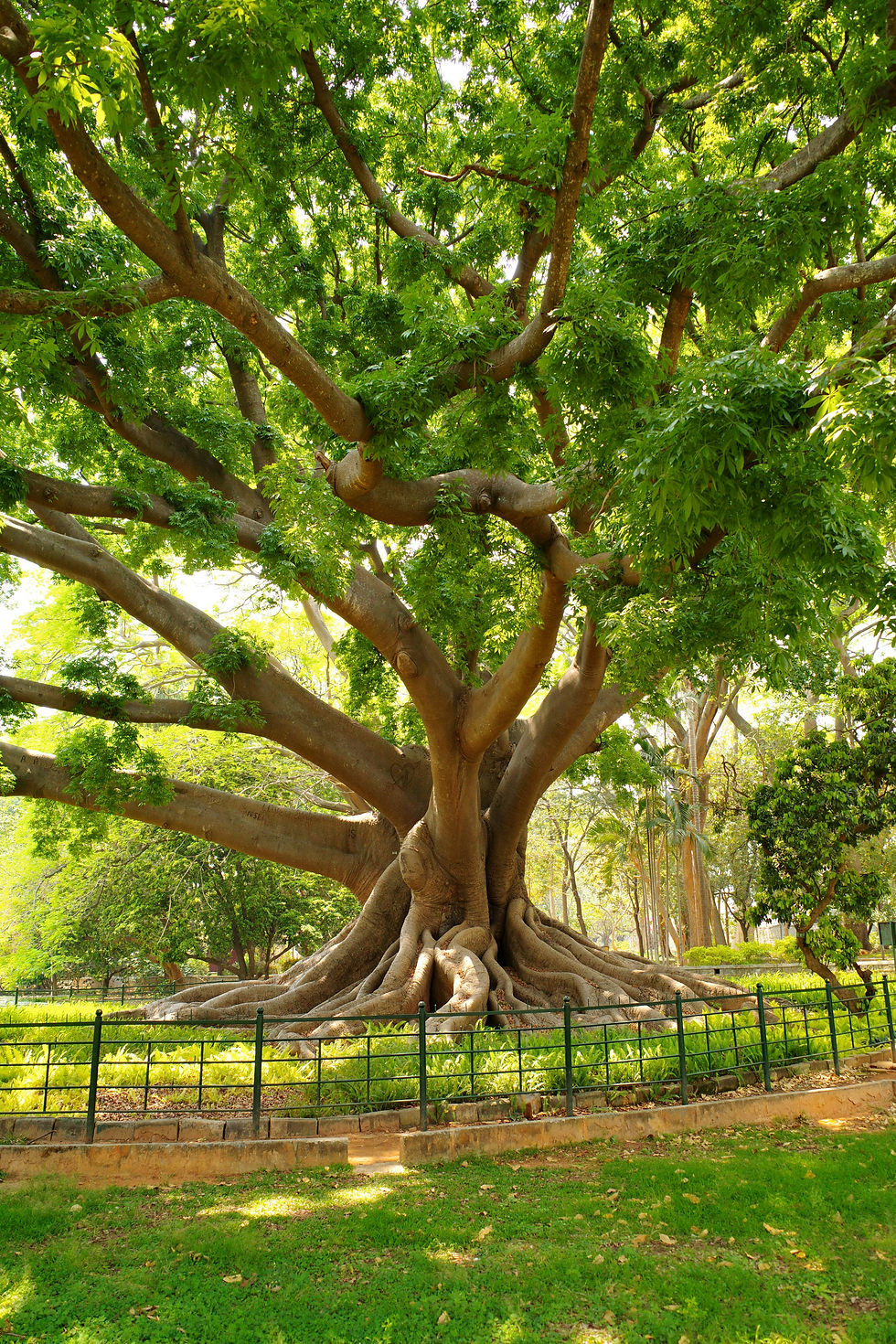
Structural pruning is a targeted approach to shaping a tree’s framework so it can grow strong, balanced, and stable over time. Unlike routine maintenance pruning, which focuses on dead or overgrown branches, structural pruning corrects growth patterns that can cause future problems.
In Irwin, Pittsburgh, and across Western Pennsylvania, many trees grow in challenging conditions such as compacted soil, limited space, and frequent storms. Without early structural guidance, trees may develop weak branch unions, uneven canopies, or excessive weight on certain limbs. These issues often lead to breakage during wind, rain, or snow.
Why Structural Pruning Is So Important
Trees do not naturally grow in a way that always supports safety near homes and streets. Structural pruning helps
Strengthen branch attachments
Balance canopy weight
Reduce the risk of splitting or limb failure
Improve resistance to storms
Extend the tree’s lifespan
When done early and correctly, structural pruning prevents the need for more aggressive cutting later.
Signs Your Tree May Need Structural Pruning
Multiple competing leaders
Trees should typically have one dominant central leader. If your tree has two or more large stems competing for dominance, it creates weak attachment points that can split as the tree matures.
This is common in
Young shade trees
Fast-growing species
Trees that were topped in the past
Narrow V-shaped branch unions
Branches that attach at tight angles often develop included bark, which prevents strong wood formation. These unions are much more likely to fail during storms.
If you see branches forming sharp V shapes instead of wide U shapes, structural pruning may be needed.
Crossing or rubbing branches
Branches that cross and rub against each other cause wounds that invite decay. Over time, this weakens the tree’s structure and increases the chance of breakage.
Overextended or heavy limbs
Long horizontal branches place excess stress on attachment points. As trees grow, these limbs become heavier and more likely to crack or fail.
Uneven or lopsided canopy
If one side of the tree is significantly heavier than the other, wind stress increases. An unbalanced canopy often leads to leaning or root strain.
Excessive vertical growth
Fast vertical shoots, often called water sprouts, indicate stress or poor pruning history. These shoots grow quickly but attach weakly and break easily.
Young trees with poor early form
Structural pruning is most effective when trees are young. If a young tree already shows poor branch spacing or weak structure, early correction is critical.
Problems That Develop Without Structural Pruning
Without structural pruning, trees may develop issues that become expensive or dangerous later.
Common long-term problems include
Large limbs are splitting from the trunk
Sudden branch failure during storms
Trunk cracking
Leaning due to uneven weight
Increased need for emergency pruning
Premature tree decline
Addressing structure early avoids these outcomes and reduces long-term maintenance costs.
How Structural Pruning Is Different From Routine Pruning
Routine pruning focuses on removing what is already damaged. Structural pruning focuses on preventing future damage.
Structural pruning involves
Selecting a strong central leader
Spacing major branches evenly along the trunk
Reducing competing or weak limbs
Encouraging outward, stable growth
This approach supports healthy development rather than reacting to failure.
When Structural Pruning Improves Safety
Trees near
Homes
Garages
Driveways
Sidewalks
Play areas
Power lines
benefit greatly from structural pruning. Correcting weak structure early reduces the chance of falling limbs and property damage.
In some cases, structural defects are too severe to correct. If decay, root failure, or extreme imbalance is present, tree removal may be the safest option to protect people and property.
How Professionals Evaluate Structural Issues
A professional tree care team evaluates
Branch attachment angles
Canopy balance
Trunk condition
Growth patterns
Previous pruning history
Root stability
Species-specific traits
Based on this assessment, they recommend targeted tree trimming that strengthens the tree’s framework while preserving health.
If the tree cannot be made structurally sound, removal followed by stump grinding may be advised to eliminate hazards and restore yard usability.
Best Time to Perform Structural Pruning
Structural pruning is often best done
In late winter or early spring, before heavy growth
On young trees, every few years
Gradually rather than all at once
Correcting structure early requires fewer cuts and produces better long-term results.
Common Mistakes to Avoid
Avoid
Removing too much canopy at once
Cutting the central leader unnecessarily
Topping trees
Making flush cuts
Ignoring branch attachment angles
These mistakes weaken the structure and create future hazards.
People Also Ask
Is structural pruning only for young trees?
No. It is most effective when trees are young, but older trees may still benefit, depending on condition.
Can structural pruning prevent storm damage?
It greatly reduces risk by improving branch strength and balance.
How often is structural pruning needed?
Young trees may need it every 2 to 4 years, while mature trees need evaluation less often.
Is structural pruning expensive?
Early pruning costs far less than emergency work or storm damage repairs.
FAQ
Q How do I know if my tree has weak structure?
Look for multiple leaders, narrow branch angles, and uneven growth.
Q Can structural pruning save a damaged tree?
It can help if issues are mild, but severe decay or root damage may require removal.
Q Should I attempt structural pruning myself?
No. Structural pruning requires knowledge of tree biology and proper cutting techniques.
Q What happens if I wait too long?
Structural problems worsen over time and become harder or impossible to correct.
Local Considerations for Irwin and Pittsburgh
Western Pennsylvania’s frequent storms, heavy rain, and mature neighborhoods make structural tree issues common. Trees planted decades ago may now be outgrowing their space, while younger trees may never have received early guidance.
Regular evaluation helps trees adapt to local conditions and remain safe as they grow.
Let Our Team Help Strengthen Your Trees
If you are unsure whether your tree needs structural pruning, our team can evaluate its growth and recommend the right solution. We provide expert tree trimming, honest safety assessments, and safe tree removal when correction is not possible. We also offer stump grinding to complete the process cleanly and safely.
Call 412-373-7450 or fill out our online form to schedule a structural pruning evaluation. We are here to help your trees grow stronger, safer, and healthier for the long term.


Comments