How Do I Prepare My Trees for Pittsburgh Storms?
- Brinko Tree Service

- Jan 5
- 4 min read
AI Summary
Learn how Pittsburgh storms impact trees through wind, rain, and saturated soil
Identify early warning signs that increase storm-related tree failure
Understand which preventive steps reduce branch loss and uprooting
Know when professional tree trimming, tree removal, or stump grinding is needed

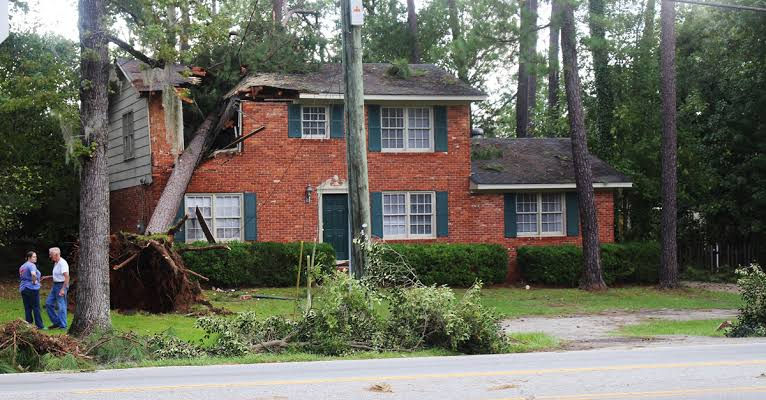
Pittsburgh storms often bring strong winds, heavy rain, sudden temperature shifts, and saturated ground conditions. These factors combine to place intense stress on trees, especially those growing near homes, driveways, and utility lines. Trees that appear healthy during calm weather can fail quickly once storms arrive if underlying issues are present.
Preparing trees before storm season helps reduce property damage, safety risks, and costly emergency situations. Storm readiness focuses on strengthening structure, improving balance, and correcting hidden weaknesses before severe weather exposes them.
How Storms Damage Trees in the Pittsburgh Area
High winds strain branches
Strong gusts push against large canopies, especially trees with dense foliage or long horizontal limbs. Weak attachments or overextended branches are common failure points.
Heavy rain weakens root support
Saturated soil reduces root grip, making it easier for trees to lean or uproot. Clay-heavy soil common in Western Pennsylvania holds moisture longer, increasing this risk.
Rapid weather changes stress wood
Sudden shifts from warm to cool temperatures weaken wood fibers, increasing the likelihood of cracks and splits.
The previous winter damage worsens the failure
Cracks or fractures caused by snow and ice may not fail immediately. Storms often cause damage months later.
Essential Steps to Prepare Trees for Pittsburgh Storms
Schedule a professional tree inspection
A seasonal inspection identifies risks before storms arrive. Professionals evaluate
Branch structure and attachment strength
Trunk cracks or decay
Root stability and soil conditions
Canopy balance
Proximity to structures
Early detection allows corrective action before storms expose weaknesses.
Remove dead and weakened branches
Deadwood is the most common cause of storm-related damage. Dead branches do not flex with the wind and break easily. Removing them reduces immediate risk and prevents damage to healthy limbs.
This is where targeted tree trimming plays a critical role in storm preparation.
Reduce canopy density
Dense canopies trap wind and add weight during rain. Selective thinning improves airflow and reduces wind resistance without harming overall tree health.
Balanced canopies respond better to storms and are less likely to experience sudden limb drop.
Address overextended limbs
Long, heavy branches act like levers during storms. Reducing their length lowers stress on branch unions and the trunk.
Branches extending over roofs, driveways, or power lines should be prioritized.
Correct structural weaknesses
Trees with crossing branches, tight V-shaped unions, or included bark are more prone to splitting. Early corrective pruning improves long-term strength.
Evaluate leaning trees early
A slight lean that has been present for years may be stable. A new lean, especially after rain, is a serious warning sign. Trees that lean toward structures require immediate attention.
When stability cannot be restored, tree removal may be the safest option before storm season intensifies.
Improve root zone health
Strong roots anchor trees during storms. Preparatory steps may include
Reducing soil compaction
Improving drainage
Mulching properly
Correcting buried root flares
Healthy root systems significantly reduce uprooting risk.
Warning Signs a Tree Is Not Storm Ready
Watch for
Dead or leafless limbs
Cracks where branches meet the trunk
Mushrooms or conks at the base
Bark peeling or splitting
Leaning after rain
Exposed or lifting roots
Repeated small branch drop
Hollow-sounding trunks
These signs indicate increased failure risk during storms.
Why DIY Storm Prep Can Be Risky
Cutting the wrong branches or removing too much canopy can weaken a tree rather than protect it. Improper cuts create decay points and trigger weak regrowth that fails easily in storms.
Professional preparation focuses on
Correct cut placement
Proper weight distribution
Species-specific growth habits
Long-term structural health
This approach improves storm resistance without creating new hazards.
When Storm Preparation Leads to Removal
Some trees cannot be made storm-resistant due to
Advanced internal decay
Severe root damage
Structural failure
Unsafe lean toward structures
In these cases, proactive removal prevents emergency situations during severe weather. After removal, stump grinding helps restore yard safety and eliminates tripping hazards or pest attraction.
People Also Ask
Can tree trimming really reduce storm damage?
Yes. Proper trimming removes weak limbs and reduces wind resistance.
Should trees be checked every year for storm readiness?
Yes. Annual inspections help identify developing risks early.
Are certain trees more likely to fail in storms?
Shallow-rooted and fast-growing species are often more vulnerable.
Is it better to prepare trees before or after storms?
Before. Preventive care is safer and more effective than emergency response.
FAQ
Q: How early should I prepare my trees for storm season?
A: Late winter through early spring is ideal, before heavy storms begin.
Q: Can healthy trees still fail in storms?
A: Yes. Hidden decay or root issues may not be visible until storms occur.
Q: Does pruning make trees stormproof?
A: It reduces risk but cannot eliminate it completely.
Q: Should young trees be prepared for storms, too?
A: Yes. Early structural care prevents future problems.
Local Considerations for Pittsburgh
Pittsburgh’s hills, dense neighborhoods, and older tree canopy increase storm-related risks. Trees growing on slopes or in compacted soil face additional stress during heavy rain. Properties with mature trees near homes benefit the most from routine storm preparation.
Seasonal maintenance helps trees adapt to changing weather patterns and reduces unexpected failures.
Let Our Team Help You Prepare for Storm Season
Storm preparation protects your home, family, and landscape. Our team provides expert tree trimming, honest safety evaluations, and safe tree removal when prevention is no longer possible. We also offer stump grinding to complete the job cleanly and safely.
Call 412-373-7450 or fill out our online form to schedule a storm readiness inspection. We are here to help keep your trees strong and your property protected through every Pittsburgh storm.



Comments