How Often Should I Schedule Tree Inspections?
- Brinko Tree Service

- Dec 26, 2025
- 4 min read
AI Summary
Learn how frequently trees in Pittsburgh and Irwin should be professionally inspected
Understand seasonal risks like storms, winter damage, pests, and disease
Know when inspection leads to tree trimming, preventive care, or tree removal for safety
Explore helpful People Also Ask topics and FAQs for year-round tree health guidance

How Often Should I Schedule Tree Inspections?
Tree inspections are one of the most effective ways to prevent costly damage and keep your property safe. Trees in Irwin, Pittsburgh, and surrounding Western Pennsylvania experience a wide range of environmental stress factors, including heavy rain, winter ice, strong winds, pests, and soil issues. While trees can survive harsh conditions for decades, even healthy-looking trees can develop sudden or hidden problems that require professional attention.
Many homeowners are unsure how often tree inspections should take place. The answer depends on the age of the tree, nearby hazards, and local climate conditions. This guide explains how frequently you should schedule routine tree inspections and why regular evaluations matter.
General Recommendation: Have Trees Inspected Once per Year
Most trees should be professionally inspected at least once a year. This annual inspection helps identify
Hidden decay
Pest infestations
Fungal infections
Structural weaknesses
Dead limbs
Root issues
Storm damage
Yearly inspections allow small issues to be treated before they become hazardous or irreversible.
When Trees Need More Frequent Inspections
While annual inspections work for many properties, certain conditions require more frequent evaluation.
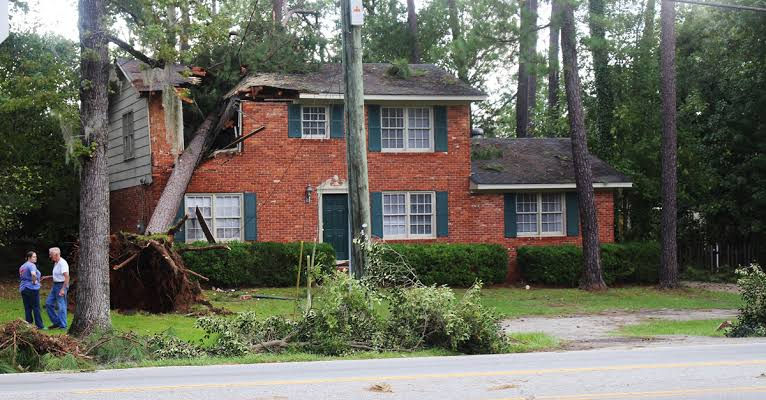
After major storms
Western Pennsylvania experiences severe thunderstorms, ice storms, and wind events. Schedule an inspection after storms if you notice
Cracked branches
New leaning
Raised or cracked soil
Hanging limbs
Bark splitting
Storm-weakened trees can fail later even in calm conditions.
For older or mature trees
Large, older trees should be inspected twice a year. Age increases susceptibility to
Internal decay
Root rot
Structural imbalances
Branch failure
Mature trees near homes or driveways especially need consistent monitoring.
For trees near structures or high traffic areas
If a tree stands close to a
Home
Garage
Fence
Sidewalk
Driveway
Play area
Schedule inspections every 6 to 12 months. The risk of damage or injury is higher near structures.
For pest-prone species
Ash, hemlock, spruce, maple, and crabapple trees in Pennsylvania often face pest issues. Infested trees should be monitored one to two times per year, depending on severity.
For trees with previous issues
Trees that have had
Past limb failure
Fungal conks
Bark wounds
Girdling roots
Poor pruning history
should be inspected more often to monitor the ongoing decline.
Why Routine Tree Inspections Are Important
Early detection of decay
Internal rot is often invisible until the tree is at risk of falling. Inspections identify decay early.
Prevention of storm damage
Professionals assess canopy balance and may recommend tree trimming to reduce wind load.
Safety for homes and families
Trees near structures pose a greater risk if weakened. Inspections help prevent unexpected failures.
Reduced long-term costs
Treating small issues early prevents expensive emergency removals later.
Healthier landscape
Early correction of pests and disease protects surrounding trees.
What Professionals Look for During an Inspection
A tree care team evaluates
Trunk condition and cracks
Root flare visibility
Soil stability and drainage
Leaf health and color
Signs of pests or fungus
Canopy density and balance
Weak or hazardous limbs
Lean angle and ground movement
Depending on the findings, they may recommend
Corrective tree trimming
Disease or pest treatment
Structural support or cabling
Hazard limb removal
Full tree removal if necessary
Stump grinding to prevent regrowth or pest attraction
People Also Ask
Do trees need to be inspected after every storm?
Not always, but trees showing cracking, leaning, or broken branches should be checked immediately.
What time of year is best for tree inspections?
Late winter to early spring is ideal, but inspections are useful any time issues arise.
Can I inspect my own trees?
You can spot early symptoms, but professionals identify structural and internal issues.
Are annual tree inspections expensive?
Costs vary, but inspections are far cheaper than emergency removal or storm damage repairs.
FAQ
Q: Should younger trees be inspected?
A: Yes. Young trees can develop structural problems early that affect long-term growth.
Q: Is diseased bark always a sign of danger?
A: Not always, but bark changes should be evaluated.
Q: Can trimming count as an inspection?
A: Trimming helps health, but it is not a substitute for a full evaluation.
Q: How often should trees near power lines be checked?
A: More frequently, especially after storms or heavy winds.
Local Considerations for Irwin and Pittsburgh
Our region’s clay soil, steep terrain, and variable weather create conditions where trees require ongoing attention. Freeze-thaw cycles cause bark cracks, while humid summers encourage fungus and pests. Urban development also restricts root growth, increasing the need for regular monitoring.
Properties with mature or storm-exposed trees benefit most from seasonal inspections in
Early spring
Mid summer
Late fall
Let Our Team Help Keep Your Trees Healthy and Safe
Regular inspections keep your trees healthy, your property protected, and your family safe. Our team offers expert tree trimming, full evaluations, and safe tree removal when needed.
Call 412-373-7450 or fill out our online form to schedule a tree inspection. We are here to support your landscape year-round.



Comments