How Often Should Trees Be Trimmed? A Guide for PA Homeowners
- Brinko Tree Service

- May 8
- 6 min read
AI Summary
Most mature trees in Pennsylvania require trimming every 3 to 5 years, though younger trees may need annual attention.
Species like oak and maple have different trimming schedules, with dormant winter months being optimal for most Pennsylvania trees.
Storm damage, diseased branches, and overgrowth near power lines create urgent trimming needs regardless of regular schedules.
Professional assessment ensures proper timing and technique, preventing costly damage to both trees and property.
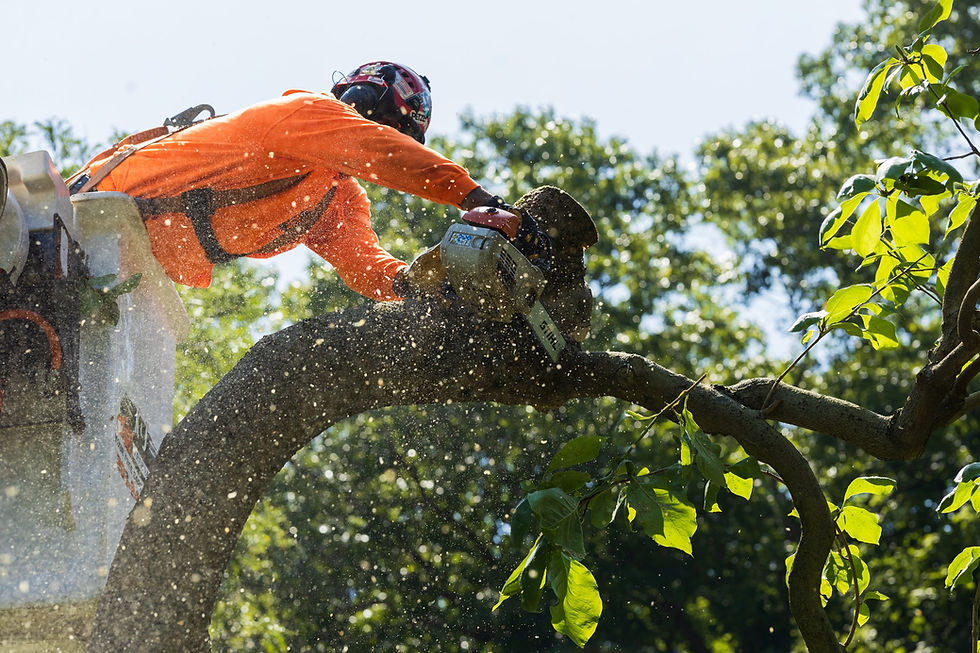
Did you know that improperly timed tree trimming can stress your trees so severely that it takes years to recover? Many Pennsylvania homeowners unknowingly harm their trees by trimming at the wrong time or waiting too long between maintenance sessions. The result is weakened trees that become vulnerable to disease, pest infestations, and storm damage.
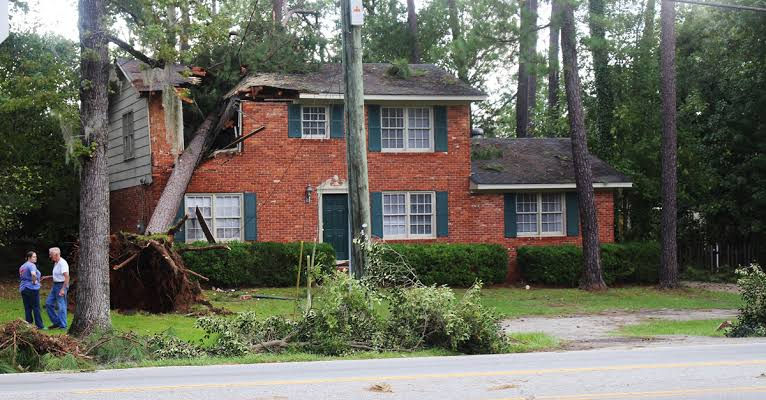
The consequences extend far beyond tree health. Overgrown branches threaten power lines, rooflines, and sidewalks throughout Manor, PA neighborhoods. Dead or diseased limbs become projectiles during Pennsylvania's unpredictable weather patterns. Professional tree trimming addresses these risks before they become expensive emergencies.
Why This Matters for Manor, PA Homeowners
Understanding how often to trim trees in Pennsylvania directly impacts your property's safety, value, and long-term maintenance costs. Pennsylvania's climate creates unique challenges with harsh winters, humid summers, and severe storm seasons that stress trees year-round. Regular trimming strengthens trees against these environmental pressures while protecting your investment.
Manor, PA homeowners face additional considerations with mature neighborhoods featuring large shade trees planted decades ago. These established trees require strategic maintenance to preserve their health while preventing interference with utilities and structures. Neglected trimming schedules often result in emergency situations that cost significantly more than preventive care.
Tree Trimming Frequency Guidelines for Pennsylvania Trees
Most Pennsylvania trees benefit from professional trimming every 3 to 5 years, though specific timing depends on species, age, and growing conditions. Here are the general guidelines:
Young trees under 10 years need annual trimming to establish proper structure and growth patterns.
Mature deciduous trees like oak and maple require trimming every 3 to 4 years during dormant seasons.
Fast-growing species such as willow and poplar may need attention every 2 to 3 years.
Evergreen trees typically need trimming every 4 to 5 years, with light pruning as needed.
Fruit trees require annual pruning to maintain health and maximize production.
Seasonal Timing for Pennsylvania Tree Trimming
Pennsylvania's distinct seasons create optimal windows for tree trimming that maximize tree health and minimize stress. Late fall through early spring represents the ideal trimming period for most deciduous trees when they enter dormancy. This timing reduces sap loss, prevents pest attraction, and allows trees to heal before the growing season begins.
Winter trimming between December and February offers the best visibility of tree structure without leaves obscuring branch patterns. However, extremely cold temperatures below 20 degrees can make wood brittle and dangerous to work with. Professional arborists monitor weather conditions to ensure safe, effective trimming that protects both workers and trees.
Species-Specific Trimming Schedules
Oak trees require special consideration in Pennsylvania due to oak wilt disease risks. These valuable shade trees should only be trimmed between November and March when disease-carrying beetles remain inactive. Emergency trimming during growing season requires immediate wound sealing to prevent infection.
Maple trees handle dormant season trimming exceptionally well, though they may produce heavy sap flow if trimmed too late in winter. Early winter trimming prevents this issue while allowing optimal healing time. Fruit trees follow different schedules, with late winter pruning promoting better flowering and fruit production.
Emergency Trimming Situations
Storm damage, disease, or safety hazards override normal trimming schedules and require immediate professional attention. Dead or dying branches pose constant threats regardless of season and should be removed promptly. Similarly, branches touching power lines or threatening structures need urgent tree removal or trimming to prevent costly damage.
Pennsylvania's severe weather patterns, including ice storms, high winds, and heavy snow loads, frequently create emergency trimming needs. Why are dead trees riskier to remove in summer? explains how environmental factors increase risks during certain seasons, making professional assessment crucial for safety.
Signs Your Trees Need Professional Attention
Recognizing when trees need trimming prevents minor issues from becoming major problems. Dead branches, excessive canopy density, and signs of disease or pest damage indicate immediate trimming needs. Branches growing toward structures, crossing other branches, or creating unbalanced weight distribution also require professional correction.
Visual indicators include yellowing leaves during growing season, fungal growth on bark, and visible cracks or splits in branches. These symptoms often signal underlying health issues that proper trimming can address before they threaten the entire tree. After major storms, even healthy-appearing trees may have sustained damage that professional assessment can identify.
Cost and Timeline Considerations
Professional tree trimming costs vary based on tree size, species, accessibility, and complexity of work required. Routine maintenance trimming typically costs less than emergency services or extensive corrective work on neglected trees. Establishing regular trimming schedules helps budget for tree care while preventing expensive emergency situations.
Timeline considerations include seasonal availability, weather conditions, and permit requirements for large trees or those near utilities. Professional services often book several weeks in advance during peak seasons, making early planning essential. Many homeowners find that scheduling trimming during off-peak periods provides better availability and pricing. After trimming, stump grinding may be necessary if entire trees require removal.
People Also Ask
How much does tree trimming cost in Pennsylvania?
Tree trimming costs in Pennsylvania typically range from $200 to $800 per tree, depending on size, species, and complexity. Large mature trees or those requiring specialized equipment may cost more, while routine maintenance of smaller trees falls on the lower end of this range.
What month is best for trimming trees in PA?
February and March represent the optimal months for trimming most Pennsylvania trees during dormant season. This timing allows trees to heal before spring growth while avoiding extreme winter temperatures that make wood brittle and dangerous to cut.
Do I need a permit to trim trees in Manor, PA?
Most routine tree trimming on private property does not require permits in Manor, PA. However, trimming near power lines or removing large trees may require utility coordination or municipal permits, making professional consultation advisable before major work.
How can I tell if my tree needs trimming?
Dead branches, crossing limbs, dense canopy blocking sunlight, and branches touching structures indicate trimming needs. Additionally, storm damage, pest infestations, or disease symptoms like fungal growth require immediate professional assessment and potential trimming.
FAQ
Should I trim my own trees or hire professionals?
Professional tree trimming ensures proper technique, safety, and tree health outcomes that DIY approaches cannot match. Certified arborists understand species-specific needs, proper cutting techniques, and safety protocols that protect both trees and property from damage.
How long does it take for trees to recover after trimming?
Most healthy trees begin healing within weeks of proper trimming, with full recovery occurring over one growing season. However, over-trimming or improper technique can extend recovery time significantly, emphasizing the importance of professional service.
Can I trim trees near power lines myself?
Never attempt to trim trees near power lines without professional utility coordination. Contact your utility company first, as they often provide free trimming services for branches threatening power lines, ensuring safety and preventing service interruptions.
What happens if I wait too long between trimming sessions?
Delayed trimming leads to overgrown branches, structural weakness, and increased storm damage risk. Trees may also develop poor growth patterns that require more extensive corrective work, increasing both cost and tree stress during eventual trimming.
Professional Tree Care You Can Trust in Manor, PA
Maintaining healthy trees requires expertise that comes from years of experience serving Pennsylvania homeowners. Our team understands the unique challenges that Manor, PA trees face throughout changing seasons and weather patterns. From routine maintenance to emergency storm cleanup, professional care protects your property investment while preserving the natural beauty that makes our community special.
Do not wait until emergency situations force expensive decisions about your trees. Establishing a regular trimming schedule with experienced professionals ensures your trees remain healthy, safe, and beautiful for years to come. Our certified arborists provide personalized care plans based on your specific trees and property needs.
Visit Brinko Tree Service or call 724-863-7799 today. We provide free consultations to assess your trees and recommend appropriate trimming schedules. Contact us for more information.



Comments