Dead Tree Removal: Why Waiting Is Dangerous for Allegheny County Homeowners
- Brinko Tree Service
- May 14
- 6 min read
AI Summary
Dead trees become increasingly unstable with each passing season, creating escalating risks of property damage and personal injury for homeowners.
Pennsylvania weather patterns, including severe storms and freeze-thaw cycles, accelerate the deterioration of dead trees, making immediate removal crucial.
Professional assessment can identify hidden structural weaknesses that homeowners often miss, preventing catastrophic failures.
Delaying dead tree removal can result in significantly higher costs due to emergency situations and additional property damage.

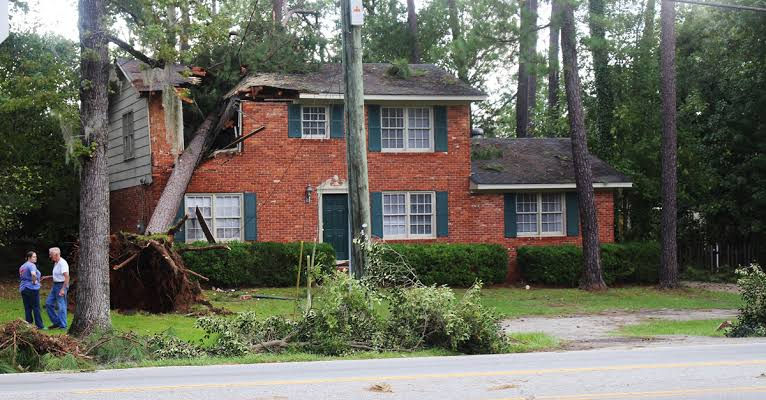
Dead trees don't announce their collapse with a warning bell. One moment your yard looks normal, the next you're staring at a crushed roof, damaged car, or worse. In Allegheny County, where severe storms and unpredictable weather patterns are common, that dead oak or maple in your yard is essentially a ticking time bomb waiting for the right gust of wind or ice storm to send it crashing down.
The problem intensifies because dead trees deteriorate rapidly once they lose their ability to transport water and nutrients. What appears stable today may be hollow and brittle tomorrow, especially with Pennsylvania's harsh freeze-thaw cycles weakening the wood structure from the inside out. Smart homeowners in Manor, PA recognize that professional Tree Removal isn't just maintenance, it's essential protection for their property and family.
Why This Matters for Manor, PA Homeowners
Dead tree removal in Allegheny County requires immediate attention because local weather conditions create perfect storms for tree failure. The region's heavy snow loads, ice storms, and sudden temperature fluctuations put extraordinary stress on compromised trees that healthy specimens can withstand.
Manor, PA homeowners face unique challenges with mature tree populations and proximity to neighbors. A falling dead tree doesn't respect property lines, and the liability issues alone should motivate quick action. When your dead tree damages a neighbor's property, your homeowner's insurance may not cover the full extent of damages if the insurer determines you were negligent in maintaining obviously hazardous trees.
The Hidden Dangers of Dead Trees
Dead trees pose multiple risks that compound over time, making immediate removal the only safe choice. The structural integrity of dead wood degrades rapidly, and external signs of instability often appear only after internal rot has severely compromised the tree.
Root systems decay underground, eliminating the tree's anchor to the soil
Wood-boring insects hollow out trunk and major branches, creating invisible weak points
Bark falls away, exposing the tree to moisture and accelerating decomposition
Branch failure occurs without warning, especially during wind or ice events
Soil erosion around the root zone further destabilizes the entire structure
Seasonal Weather Threats in Allegheny County
Pennsylvania's climate creates year-round hazards for dead trees, with each season bringing distinct failure risks. Spring brings heavy rains that saturate soil and reduce root stability, while summer storms generate powerful winds that test every weak point in dead wood structure.
Winter Ice and Snow Loading
Ice storms coat dead branches with heavy layers that exceed the wood's load capacity. Dead branches lack the flexibility of living wood, making them prone to sudden snapping under ice weight. Heavy snow accumulation creates similar stress, particularly on weakened branch unions where decay has compromised the connection points.
Summer Storm Damage
Severe thunderstorms with straight-line winds pose the greatest immediate threat to dead trees. These weather events can generate wind speeds exceeding 70 mph, easily toppling trees with compromised root systems or hollow trunks. The combination of saturated soil from heavy rainfall and powerful winds creates ideal conditions for complete tree failure.
Professional Assessment vs. DIY Evaluation
Homeowners often underestimate the complexity of evaluating dead tree stability and safety. Professional arborists use specialized tools and techniques to identify internal decay, root system failure, and structural weaknesses that aren't visible from ground level inspection.
Certified tree care professionals can detect early warning signs like fungal growth patterns, unusual insect activity, and subtle changes in bark texture that indicate advanced internal decay. They also understand how different tree species fail and can predict likely failure patterns based on the tree's condition, location, and environmental stressors. This expertise becomes crucial when determining whether partial removal or complete tree removal provides the safest solution for your property.
Cost Considerations and Emergency Removal Pricing
Emergency tree removal costs significantly more than scheduled dead tree removal, often two to three times the standard rate. Emergency situations require immediate response, specialized equipment mobilization, and often complex rigging to remove fallen trees from structures or power lines.
Planned dead tree removal allows for competitive pricing, scheduled work, and proper preparation. Most homeowners find that investing in proactive removal saves money compared to dealing with emergency damage repair, insurance deductibles, and temporary housing costs if a falling tree damages their home. Additionally, some situations may require Emergency Tree Service coordination with utility companies, which adds complexity and cost to the removal process.
People Also Ask
How much does dead tree removal cost in Allegheny County?
Dead tree removal costs vary based on size, location, and accessibility, typically ranging from several hundred to several thousand dollars. Emergency removal situations cost significantly more due to immediate response requirements and complex rigging needs. Getting quotes from licensed professionals provides accurate pricing for your specific situation.
How can you tell if a tree is dead and needs immediate removal?
Dead trees show clear signs including brittle bark that falls off easily, absence of new leaf growth, fungal growth at the base, and hollow-sounding trunk when tapped. Professional assessment identifies internal decay and root system failure that aren't visible to homeowners. Any tree showing multiple death indicators should be evaluated immediately by certified arborists.
Is it safe to remove a dead tree yourself?
Dead tree removal requires specialized equipment, safety training, and understanding of unpredictable failure patterns that make DIY removal extremely dangerous. Dead wood behaves differently than living trees during cutting, often splitting or falling unexpectedly. Professional removal ensures safety for people and property while managing complex rigging situations.
Do dead trees attract insects and create additional problems?
Dead trees become breeding grounds for wood-boring insects, carpenter ants, and termites that can spread to healthy trees and wooden structures. Fungal infections from decaying trees can also affect nearby plants and create ongoing landscape problems. Prompt removal eliminates these secondary issues before they spread throughout your property.
FAQ
Will my homeowner's insurance cover damage from a dead tree that I knew was dangerous?
Most homeowner's insurance policies exclude coverage for damage caused by trees that the homeowner knew or should have known were hazardous. If you were aware of a dead tree and failed to remove it, your insurance company may deny claims for resulting property damage. Documentation of tree maintenance and prompt removal of hazardous trees protects your coverage.
How quickly can dead trees be removed after I call for service?
Most reputable tree services can schedule dead tree removal within one to two weeks for non-emergency situations. Emergency removal for trees threatening immediate safety can often be arranged within 24 hours. Scheduling depends on weather conditions, equipment availability, and the complexity of your specific removal needs.
Should I get multiple quotes for dead tree removal services?
Getting quotes from at least three licensed and insured tree services helps ensure competitive pricing and proper scope of work. Make sure each quote includes cleanup, stump grinding options, and any necessary permits. Extremely low bids often indicate corner-cutting on safety or insurance coverage that could create liability issues.
What happens to the wood and debris after dead tree removal?
Professional tree services typically include debris removal in their pricing, though wood disposal methods vary by company. Some companies offer firewood cutting services if the dead wood is still suitable for burning. Discuss debris handling preferences during the initial consultation to avoid unexpected charges or cleanup responsibilities.
Get Professional Dead Tree Removal in Manor, PA
Waiting to address dead trees on your property puts your family, home, and neighbors at unnecessary risk. With years of experience serving Manor, PA homeowners, our team understands the unique challenges that Allegheny County weather creates for tree stability and safety. Why Are Dead Trees Riskier to Remove in Summer? explains additional seasonal considerations that make professional assessment even more critical.
Our certified arborists provide thorough property evaluations and safe removal services that protect your investment while eliminating dangerous trees before they cause costly damage. We also offer comprehensive Tree Trimming services to maintain the health of your remaining trees and prevent future dead tree situations.
Visit Brinko Tree Service or call 724-863-7799 today. Our licensed team provides fast, safe dead tree removal that eliminates risks before they become emergencies. Contact us for more information.



Comments