How Storm Damage Affects Tree Health in Westmoreland County
- Brinko Tree Service
- May 6
- 6 min read
AI Summary
Storm damage compromises tree structural integrity through broken branches, root exposure, and bark wounds that invite disease and pest infestations.
High winds and heavy precipitation create immediate safety hazards while weakening trees for months or years after the initial storm event.
Post-storm tree assessment by certified arborists prevents delayed failures that could damage property or endanger residents in Manor, PA neighborhoods.
Professional storm damage mitigation includes emergency removal, strategic pruning, and soil stabilization to restore tree health and property safety.

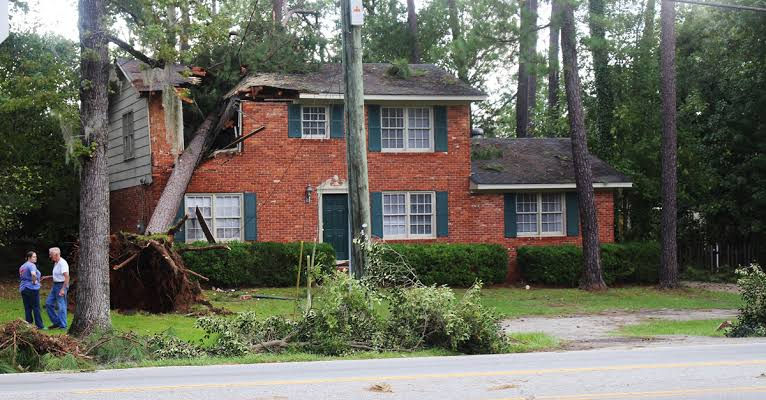
Severe storms strike Westmoreland County with little warning, leaving behind a trail of damaged trees that pose immediate dangers to homes and families. Within hours of a major weather event, seemingly stable trees can become ticking time bombs, weakened by invisible root damage, stress fractures, and compromised structural integrity that may not reveal itself for weeks or months.
The aftermath of storm damage extends far beyond the obvious broken branches and fallen trunks scattered across your property. Hidden damage to root systems, bark wounds, and internal tree stress create long-term health problems that threaten the safety of Manor, PA residents while decreasing property values. Professional Emergency Tree Service assessment immediately following storm events can identify these hidden hazards before they become catastrophic failures.
Why This Matters for Manor, PA Homeowners
Storm damage tree health in Westmoreland County directly impacts the safety and financial security of every homeowner in our region. Trees weakened by storm events become unpredictable hazards that can fall without warning, crushing vehicles, damaging rooflines, or blocking critical access routes during future emergencies.
Insurance companies increasingly scrutinize storm-related property damage claims, often denying coverage when homeowners fail to address known tree hazards promptly after storm events. Professional documentation of tree conditions and prompt remediation efforts protect both your family's safety and your financial investment in your property.
How Storms Compromise Tree Structural Integrity
Storm events create multiple pathways for tree failure through a combination of mechanical damage and environmental stress factors. The most dangerous aspect of storm damage involves the cascading effects that weaken trees over time rather than causing immediate, obvious failure.
High winds create micro-fractures in trunk wood and major branches that expand under normal weather stress
Heavy rainfall saturates soil around root systems, reducing anchoring strength and creating unstable growing conditions
Lightning strikes damage internal tree structure while creating entry points for wood-boring insects and fungal infections
Ice accumulation adds excessive weight that permanently deforms branch architecture and creates weak attachment points
Rapid temperature fluctuations cause bark splitting and internal wood expansion that compromises structural integrity
Immediate vs. Delayed Storm Damage Effects
The most visible storm damage occurs during the weather event itself, but certified arborists understand that delayed effects often pose greater long-term risks to property owners. Immediate damage assessment focuses on obvious safety hazards like hanging branches, split trunks, and trees leaning against structures or power lines.
Delayed effects develop over weeks, months, or even years following the initial storm event. Root damage from soil saturation may not manifest until drought conditions stress the compromised root system beyond its reduced capacity. Similarly, bark wounds and internal fractures provide entry points for diseases and pests that gradually hollow out otherwise healthy-appearing trees.
Recognition Signs of Hidden Storm Damage
Homeowners should monitor trees for subtle changes that indicate developing problems from previous storm events. Leaf discoloration, premature leaf drop, and reduced foliage density often signal root system damage or internal wood decay that requires professional evaluation.
Crown dieback, where branches lose leaves and eventually die from the tips inward, frequently indicates root damage or internal trunk rot that developed months after the original storm damage occurred. These symptoms demand immediate professional assessment to prevent sudden tree failure during normal weather conditions.
Professional Assessment Timing
The optimal window for professional storm damage assessment extends from immediately after the weather event through the following growing season. Early assessment identifies immediate safety hazards and develops treatment plans for damaged but salvageable trees, while follow-up evaluations track recovery progress and identify trees that require removal despite initial treatment efforts.
Long-Term Health Impacts on Westmoreland County Trees
Storm-damaged trees face an uphill battle for survival in Westmoreland County's variable climate conditions. The combination of hot, humid summers and cold, wet winters creates challenging growing conditions that stressed trees struggle to navigate successfully.
Compromised trees become magnets for opportunistic pests and diseases that rarely affect healthy specimens. Emerald ash borer, wood-boring beetles, and various fungal infections exploit wounds and weakened defenses to establish destructive infestations that spread to neighboring healthy trees. Professional Tree Trimming removes damaged tissue and implements preventive treatments that protect both individual trees and the broader landscape ecosystem.
Cost and Timeline Considerations for Storm Damage Response
Emergency storm damage response typically costs significantly more than preventive tree care, but delaying action often leads to even higher expenses when damaged trees fail completely. Immediate hazard removal and assessment generally ranges from several hundred to several thousand dollars depending on tree size, location, and complexity of safe removal procedures.
Property owners who address storm damage promptly through professional evaluation and treatment often save substantial money compared to those who ignore damaged trees until they require complete removal. The timeline for tree recovery from storm damage varies from one growing season for minor damage to several years for severely compromised specimens that receive appropriate professional care.
People Also Ask
How long does it take for storm-damaged trees to show signs of decline?
Storm-damaged trees may show immediate signs of stress within days of the event, but more serious decline often develops over 6 to 18 months as root damage and internal injuries compromise the tree's ability to transport nutrients and water. Some damage effects may not become apparent until the tree faces additional stress from drought, disease, or subsequent weather events.
Can storm-damaged trees recover without professional treatment?
Minor storm damage like small broken branches may heal naturally on healthy trees, but significant damage to roots, trunk, or major branches typically requires professional intervention to prevent further decline and safety hazards. Trees with compromised structural integrity rarely recover adequately without expert assessment and treatment.
What makes a storm-damaged tree dangerous to keep on my property?
Storm-damaged trees become dangerous when their structural integrity is compromised through root damage, trunk fractures, or major branch failures that create unpredictable failure points. Hidden damage often makes trees appear stable while actually being prone to sudden collapse during normal weather conditions.
How much does storm damage tree removal typically cost in Westmoreland County?
Storm damage tree removal costs vary widely based on tree size, location, and accessibility, typically ranging from $500 for small trees to several thousand dollars for large specimens near structures. Emergency removal during or immediately after storms generally costs more than scheduled removal during normal weather conditions.
FAQ
Should I wait to see if my storm-damaged tree recovers before calling professionals?
Waiting to assess storm-damaged trees can be dangerous and costly, as compromised trees may fail suddenly and cause property damage or injury. Professional arborists can distinguish between recoverable damage and trees that require immediate removal, potentially saving both money and safety concerns through prompt evaluation.
Does homeowner's insurance cover storm damage tree removal and cleanup?
Most homeowner's insurance policies cover storm damage tree removal when trees fall on insured structures, but coverage for preventive removal of damaged trees varies significantly between policies. Check with your insurance provider about coverage specifics and document tree conditions with professional assessments to support potential claims.
Can I safely remove small storm-damaged branches myself?
Small broken branches that you can reach safely from the ground using hand tools may be suitable for homeowner removal, but any work requiring ladders, power tools, or branches near power lines should be left to professionals. Storm-damaged trees often have hidden instabilities that make them more dangerous to work around than healthy trees.
How often should I have my trees inspected after storm events?
Trees should be professionally inspected immediately after severe weather events and again during the following growing season to assess recovery progress and identify delayed damage effects. Annual inspections help catch developing problems early when treatment options are more effective and less expensive.
Get Professional Storm Damage Assessment in Manor, PA
Don't let storm-damaged trees threaten your family's safety or your property's value. With years of experience serving Manor, PA homeowners, our certified arborists provide comprehensive storm damage assessment and treatment services that protect your investment while ensuring neighborhood safety. Time is critical when dealing with storm-damaged trees, as delayed action often leads to more expensive removal needs and increased safety risks.
Our team responds quickly to storm events throughout Westmoreland and Allegheny Counties, providing both emergency services and long-term tree health solutions. We understand the unique challenges that local weather patterns create for tree health, and we know how to identify subtle damage that other services might miss, helping you avoid costly surprises down the road.
Visit Brinko Tree Service or call 724-863-7799 today. Our certified arborists provide detailed storm damage assessments that give you the information you need to make informed decisions about your trees. Contact us for more information.



Comments