Signs a Tree on Your Property Is Dangerous and Needs to Come Down
- Brinko Tree Service
- May 4
- 5 min read
AI Summary
Dead branches, fungal growth, and structural damage are clear warning signs that a tree poses immediate safety risks to your property and family.
Trees leaning more than 15 degrees from vertical or showing root damage require professional assessment to prevent catastrophic failure.
Storm-damaged trees with split trunks or exposed roots can collapse without warning, making quick action essential.
Professional tree removal services can identify subtle danger signs that untrained homeowners often miss until it's too late.

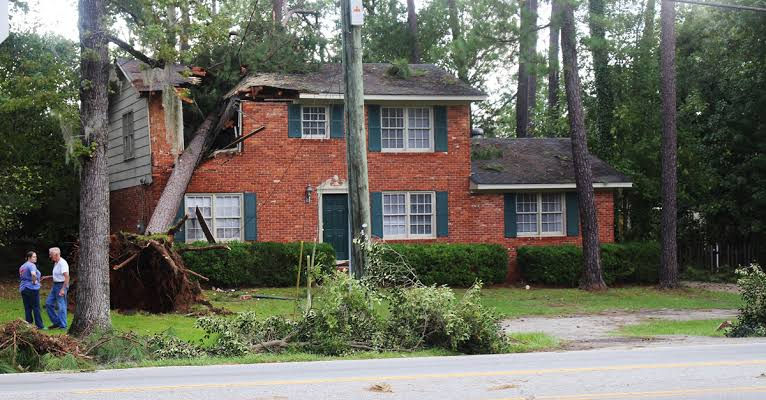
A massive oak tree crashed through the Hendersons' roof last Tuesday night during what seemed like a gentle spring rain. The family had noticed the tree looked "a little off" but assumed it would hold up for another season. That costly assumption resulted in $40,000 in structural damage and a week in a hotel.
Dangerous trees rarely announce their intentions with obvious warning signs. Instead, they give subtle hints that escalate quickly into property damage, injury, or worse. Understanding these red flags can save you thousands in repairs and protect your family's safety. If you suspect a tree on your Manor, PA property poses risks, professional Emergency Tree Service can assess and address the situation before disaster strikes.
Why Dangerous Tree Signs Matter for Manor, PA Property Owners
Dangerous tree signs on your property require immediate attention because Westmoreland County's weather patterns create perfect conditions for sudden tree failure. Heavy spring rains saturate soil around compromised root systems, while summer storms bring powerful winds that topple structurally weakened trees without warning.
Manor, PA homeowners face unique challenges with mature trees planted decades ago near power lines, driveways, and home foundations. These aging giants often develop internal decay or root damage that remains invisible until catastrophic failure occurs, making regular professional assessment crucial for property protection.
Key Warning Signs That Indicate a Dangerous Tree
Recognizing dangerous tree conditions early can prevent property damage and personal injury. Professional arborists look for specific indicators that signal immediate or developing hazards requiring swift action.
Here are the most critical warning signs every property owner should monitor:
Dead or dying branches that appear brittle, lack leaves during growing season, or break easily when touched
Visible fungal growth, mushrooms, or bracket fungi growing on the trunk or around the base
Significant lean greater than 15 degrees from vertical, especially if the lean has developed recently
Cracks or splits in the main trunk that extend deep into the wood structure
Exposed or damaged root systems caused by construction, soil erosion, or recent excavation
Multiple dead or missing sections in the tree's canopy that create an unbalanced weight distribution
Understanding Structural Tree Problems
Structural issues develop gradually over years but can lead to sudden catastrophic failure when weather conditions create additional stress. Internal decay often progresses invisibly while the outer bark appears healthy, making professional evaluation essential for accurate risk assessment.
Root system damage poses particularly serious threats because compromised anchoring systems cannot support the tree's weight during storms. Soil compaction from construction equipment, grade changes around the tree, or severed roots from utility installation can destabilize even healthy-appearing trees.
Trunk and Branch Damage Assessment
Split or cracked trunks indicate severe structural compromise that requires immediate professional attention. These fractures typically occur where branches meet the main trunk or at points where the tree has experienced previous damage from storms, disease, or improper pruning practices.
Hollow trunks can sometimes support tree weight under normal conditions but fail catastrophically during storms when wind loads exceed the remaining wood's capacity. Professional assessment determines whether partial removal or complete tree removal provides the safest solution.
Root System Evaluation
Visible root damage above ground often indicates more extensive underground problems that threaten tree stability. Construction activity within the tree's root zone, typically extending beyond the canopy's edge, can sever critical support roots even when the tree appears unaffected initially.
Soil changes around established trees create stress conditions that weaken root systems over time. Adding soil over existing roots, changing drainage patterns, or installing hardscaping can gradually compromise tree health and stability.
Disease and Pest Damage Indicators
Fungal infections and pest infestations weaken trees internally before external symptoms become obvious to untrained observers. Wood-boring insects create tunnels that compromise structural integrity while fungal diseases break down the tree's internal support systems.
Mushroom growth around the tree base signals advanced decay in the root system that may have progressed beyond treatment options. These fruiting bodies indicate the fungus has already established extensive networks throughout the tree's support structure, requiring professional evaluation to determine safety risks.
Cost and Timeline Considerations for Tree Removal
Professional tree removal costs vary significantly based on tree size, location complexity, and access requirements for equipment. Emergency removal services during storm conditions carry premium pricing but prevent additional property damage that often exceeds the removal cost.
Scheduling removal during optimal weather conditions allows for safer operations and often reduces overall project costs. However, trees showing immediate danger signs should not remain on the property regardless of seasonal timing considerations.
Most professional tree removal projects require one to two days for completion, including stump grinding services when requested. Complex removals near structures or power lines may require additional time for proper safety preparations and specialized equipment setup.
People Also Ask
How do you know when a tree is unsafe and needs to be removed?
Unsafe trees typically display visible warning signs like dead branches, fungal growth, significant lean, or trunk damage. Professional arborists can identify subtle structural problems that pose immediate risks to property and personal safety.
What are the signs of a dying tree that could fall?
Dying trees show symptoms including brittle or missing bark, fungal growth, dead branches throughout the canopy, and root damage. Trees in decline lose their ability to withstand normal weather stresses and become prone to sudden failure.
How much does it cost to remove a dangerous tree?
Dangerous tree removal costs range from several hundred to several thousand dollars depending on size, location, and complexity. Emergency removal services cost more than scheduled removal but prevent expensive property damage from tree failure.
Do I need a permit to remove a dangerous tree on my property?
Permit requirements vary by municipality, but emergency tree removal for safety reasons typically receives expedited approval. Contact your local building department to understand specific regulations for your Manor, PA property before scheduling removal services.
FAQ
Can I remove a dangerous tree myself to save money?
Professional tree removal ensures safety and proper equipment use while protecting your property from additional damage. DIY tree removal poses serious injury risks and often results in more expensive repairs when things go wrong.
How quickly should I act if I notice dangerous tree signs?
Immediate professional assessment is recommended when you identify dangerous tree conditions, especially before storm seasons. Delaying action increases the risk of property damage and potentially dangerous situations for your family.
Will my insurance cover damage from a dangerous tree I knew about?
Insurance policies often exclude coverage for preventable damage from known hazards like obviously dangerous trees. Documented professional assessment and prompt action protect both your property and insurance coverage.
What happens to my landscaping during tree removal?
Professional tree services take precautions to minimize landscaping damage during removal operations. Most companies can work around existing plants and restore disturbed areas after completing the tree removal process.
Trust Brinko Tree Service for Professional Tree Risk Assessment
When dangerous tree signs appear on your property, quick professional action protects your investment and family safety. Our experienced team has helped hundreds of Manor, PA residents identify and address tree hazards before costly damage occurs, combining years of local expertise with proven safety practices.
Don't wait for the next storm to test a questionable tree's stability. Weather patterns in Westmoreland and Allegheny Counties can turn a manageable tree problem into an expensive emergency overnight, making proactive removal the smart financial choice for concerned property owners.
Visit Brinko Tree Service or call 724-863-7799 today. Our certified arborists provide thorough risk assessments and safe removal solutions that protect your property and peace of mind. Contact us for more information.



Comments