What Makes Some Trees More Expensive to Remove?
- Brinko Tree Service
- Jan 25
- 4 min read
AI Summary
Learn why some tree removals cost more than others
Understand how size, location, and condition affect removal pricing
See how safety risks and equipment needs increase complexity
Know when professional tree removal, tree trimming, and stump grinding are required

Many homeowners are surprised to learn that tree removal costs can vary dramatically, even between trees on the same property. In Irwin, Pittsburgh, and across Western Pennsylvania, some trees cost a few hundred dollars to remove, while others can cost several thousand.
The difference usually comes down to risk, difficulty, and time. Tree removal pricing reflects how challenging and dangerous the job is, not just how large the tree looks. Understanding these factors helps explain why certain trees are more expensive to remove and why cutting corners is never worth the risk.
Tree Size and Height
Larger trees require more labor
Tall or wide trees take longer to remove safely. Large trees are almost always dismantled in sections rather than cut down in one piece, which increases labor time and equipment use.
As height increases, so does
Crew size
Time on site
Rigging complexity
Safety planning
This is one of the most common reasons for higher removal costs.
Tree Location and Surroundings
Proximity to structures
Trees growing close to
Homes
Garages
Fences
Driveways
Sheds
require precision removal. Limbs and trunk sections must be lowered carefully using ropes and rigging to avoid damage.
Trees near power lines
Trees close to overhead utilities significantly increase removal costs. Crews must work slowly and carefully to avoid outages or electrocution risks. In some cases, coordination with utility companies is required.
Limited access
If equipment cannot reach the tree easily due to narrow driveways, fenced yards, steep slopes, or soft ground, removal becomes more labor-intensive and time-consuming.
Tree Condition and Health
Dead or dying trees
Dead trees are often more expensive to remove than healthy ones. Brittle wood breaks unpredictably, increasing danger to workers and property.
Dead trees may also lack structural integrity, making climbing and rigging more hazardous.
Storm-damaged trees
Trees damaged by storms often have
Cracked trunks
Hanging limbs
Split branches
Leaning or uprooting
These conditions increase risk and require extra safety precautions, which raise costs.
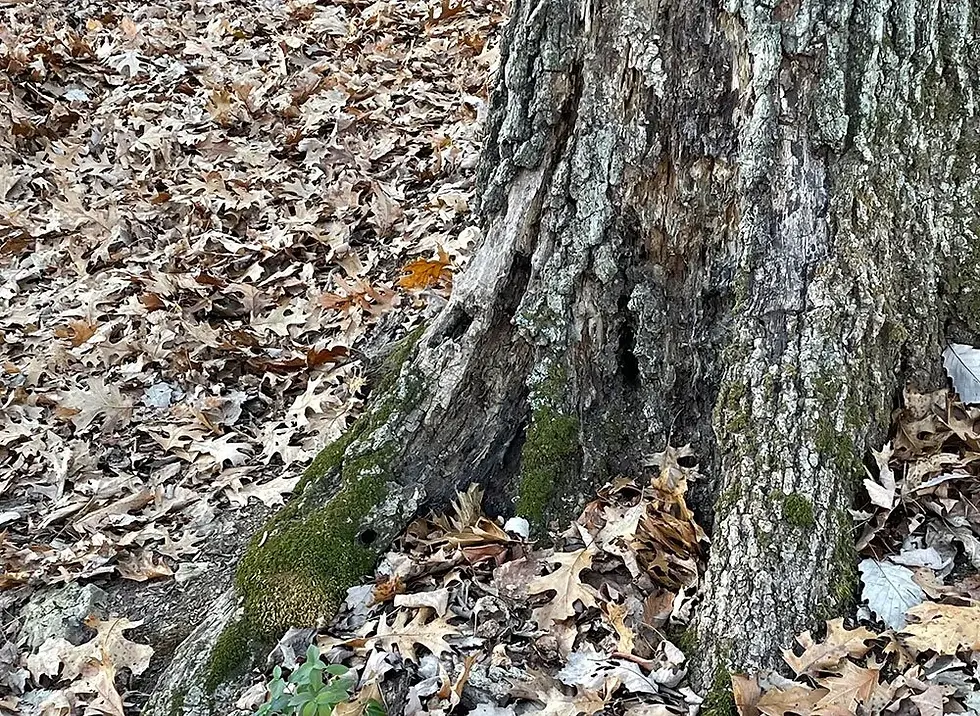
Hollow or decayed trees
Internal decay weakens a tree’s structure. Hollow sections make controlled cutting more difficult and increase the chance of unexpected failure during removal.
Tree Species and Wood Density
Harder wood types
Trees with dense, heavy wood take longer to cut and handle. Heavier sections require stronger rigging systems and more careful lowering.
Brittle species
Some species snap easily instead of bending, increasing the risk during cutting. Brittle wood requires slower, more controlled techniques.
Species characteristics directly affect removal strategy and time.
Removal Method Required
Sectional dismantling
Most expensive removals involve dismantling the tree piece by piece. This method is necessary when space is limited or when hazards are nearby.
Crane-assisted removal
Some trees are too large, unstable, or poorly positioned to be removed safely without a crane. Crane use significantly increases cost but may be the safest option.
Emergency removal
Trees that require immediate attention due to storm damage or imminent failure often cost more because of urgency, hazardous conditions, and off-hour labor.
Terrain and Ground Conditions
Sloped or uneven land
Western Pennsylvania properties often sit on hillsides. Working on slopes slows equipment movement and increases safety risks.
Wet or soft soil
Clay soil retains moisture, making it difficult to position equipment safely. Crews may need to wait for drier conditions or use specialized methods.
Additional Services That Increase Cost
Stump grinding
Tree removal does not always include stump removal. Stump grinding adds to the total cost but improves safety, appearance, and land usability.
Debris removal
Hauling away wood and branches adds labor and disposal costs. Leaving debris onsite may lower the price, but it shifts the cleanup responsibility to the homeowner.
Permit requirements
Some municipalities require permits for removing large or protected trees. Permit coordination can affect scheduling and cost.
Why Cheaper Is Not Always Better
Lower-priced removal often means shortcuts.
Risks of hiring uninsured or inexperienced crews include
Property damage
Personal injury
Incomplete removal
Liability falls on the homeowner
Professional tree trimming pricing reflects proper safety procedures, insurance coverage, and trained labor.
When Tree Trimming Can Reduce Costs
In some cases, full removal may not be necessary. Strategic tree trimming can reduce risk by removing hazardous limbs, improving the structure, and extending the tree’s lifespan at a lower cost.
A professional evaluation helps determine whether trimming or removal is the best option.
People Also Ask
Why does removing a dead tree cost more?
Dead trees are unpredictable and more dangerous to work on.
Are tall trees always more expensive?
Usually yes, but location and condition also matter.
Does proximity to my house affect cost?
Yes. Trees near structures require slower, more controlled removal.
Is crane removal always necessary for large trees?
No, but it may be the safest option in certain situations.
FAQ
Q Can tree removal costs be reduced?
Yes, by addressing issues early before trees become hazardous.
Q Does winter affect tree removal cost?
Sometimes. Winter may lower demand, but weather and access can increase difficulty.
Q Should I remove multiple trees at once?
Removing multiple trees together can reduce the overall cost.
Q Are estimates given without seeing the tree reliable?
No. Accurate pricing requires an on-site evaluation.
Local Considerations for Irwin and Pittsburgh
Trees in Irwin and Pittsburgh often grow close to homes and utilities in established neighborhoods. Mature growth, clay soil, and hillsides increase complexity and cost. Working with professionals familiar with local conditions helps ensure accurate pricing and safe removal.
Let Our Team Help You Understand Your Tree Removal Options
If you are unsure why a tree removal quote is higher than expected, a professional evaluation can provide clarity. Our team offers expert tree removal, strategic tree trimming, and complete stump grinding to address safety concerns efficiently.
Call 412-373-7450 or fill out our online form to schedule a tree removal assessment. We are here to explain your options and help you make the safest choice for your property.



Comments