What Winter Tree Issues Should Irwin Homeowners Expect?
- Brinko Tree Service

- Dec 9, 2025
- 5 min read
AI Summary
Learn the most common winter tree problems affecting Irwin and Pittsburgh properties
Understand how cold, ice, snow load, and wildlife impact tree health and stability
Identify when winter damage becomes a hazard requiring tree removal or tree trimming
Review seasonal prevention tips, People Also Ask topics, and FAQ guidance

What Winter Tree Issues Should Irwin Homeowners Expect?
Winter in Irwin and the surrounding Pittsburgh region brings freezing temperatures, snow, ice storms, and strong winds that can create serious challenges for local trees. While many trees go dormant during the cold months, winter conditions can still cause physical stress, structural damage, and long-term decline. Issues that begin in winter often reveal themselves in spring through dieback, broken branches, or leaning trunks.
Understanding what winter tree problems to expect helps homeowners prepare, prevent hazards, and identify early warning signs. This guide explains the most common winter tree issues in Western Pennsylvania and how to protect your landscape during the coldest months.
The Most Common Winter Tree Issues in Irwin
Frost cracks from sudden temperature swings
Trees in Irwin experience frequent freeze-thaw cycles. When bark cools rapidly at night and warms quickly in daylight, the wood expands and contracts unevenly. This tension causes long vertical cracks known as frost cracks. These wounds expose the inner wood to moisture, insects, and decay.
Thin-bark species such as maple, birch, and young ornamental trees are especially vulnerable.
Sunscald injuries on south and west-facing trunks
On sunny winter days, the trunk warms on the side facing the sun. After sunset, temperatures drop sharply, killing cells beneath the bark. This results in sunken, discolored, or peeling bark in spring. Young trees and smooth bark species are most affected.
Snow and ice loads are causing branch breakage
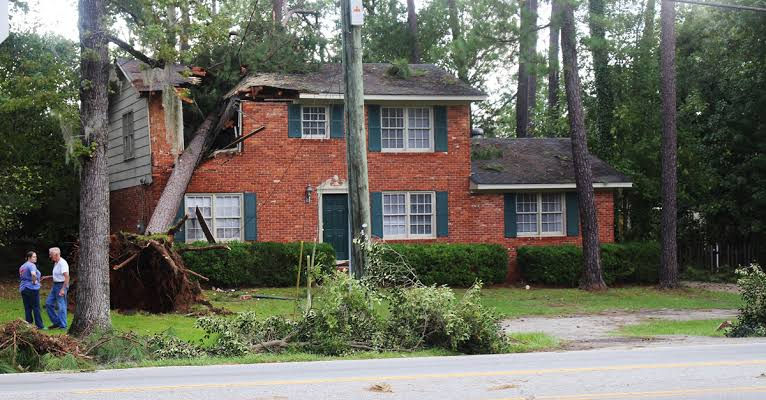
Wet snow and freezing rain create heavy loads on branches. When the weight exceeds the structural strength, limbs snap. Evergreens suffer more because their needles collect ice. Multi-trunk ornamental trees or species with narrow branch unions are also at higher risk of breakage.
Root stress from frozen or saturated soil
Roots cannot absorb water effectively when the soil is frozen. If the soil is saturated before freezing, roots may also become oxygen-deprived. Both conditions weaken the tree. Mature trees near homes often have compacted roots, making winter stress worse.
Winter burn on evergreens
Evergreen needles lose moisture throughout winter, but when the soil is frozen, roots cannot replenish it. This leads to browning, drying, and needle drop, known as winter burn. Wind exposure increases the severity.
Damage from wildlife
Deer rub trunks to remove velvet or mark territory. Rabbits and rodents gnaw bark and chew small branches. In severe winters, wildlife damage becomes more common, especially at the base of young trees.
Snow plow and salt exposure
Salt used on roads and sidewalks can splash onto tree roots and bark, causing dehydration, chemical burn, and long-term soil imbalance. Plows that pile snow or strike branches can also harm trees along roads and driveways.
Wind-related leaning and breakage
Winter winds in Irwin can be strong enough to shift soil around root plates. Newly leaning trees after storms should be monitored closely, as they may be unstable or uprooted.
How Homeowners Can Prevent Winter Damage
Mulch properly before winter
A 2 to 4 inch layer of mulch insulates soil, protects roots, and slows moisture loss. Keep mulch away from directly touching the trunk to prevent rot.
Water trees in late fall
Proper hydration before the ground freezes gives trees the moisture needed to withstand winter drought stress.
Wrap young or thin-barked trees
Protective wraps regulate temperature and reduce sunscald or frost crack risks. Apply in late fall and remove in spring to avoid trapping moisture.
Schedule structural pruning
Professional tree trimming removes weak or crossing limbs that are more likely to fail under snow and ice loads. Pruning also improves airflow and reduces canopy weight.
Protect trees from wildlife
Tree guards, fencing, or repellents help prevent chewing or rubbing damage.
Avoid using excessive salt
Use alternatives such as calcium magnesium acetate when possible. Keep salt piles away from root zones.
Inspect trees after storms
Look for cracks, leaning, broken limbs, or exposed roots. Early detection prevents small issues from becoming major hazards.
When Winter Tree Issues Become Dangerous
Some winter problems are cosmetic or temporary, but others demand immediate attention. A tree poses danger when
It leans suddenly after wind or ice buildup
Large limbs are cracked or hanging
The trunk has new vertical splits
The soil around the base is lifting
Evergreens bend significantly under ice load and do not recover
Bark is removed completely around the trunk (girdling) from wildlife
These conditions can lead to sudden failure. Professional assessment is recommended for any tree showing structural damage or instability.
People Also Ask
Why do trees get damaged more in winter?
Cold temperatures, wind, ice, and limited water uptake combine to weaken tree tissues and increase stress.
Do all winter cracks mean the tree is dying?
Not always. Some cracks compartmentalize, but wide or deep cracks may lead to decay.
Are evergreens more at risk in winter storms?
Yes. Needles trap ice and snow, increasing branch weight and breakage risks.
Can trees recover from winter burn?
Many evergreens recover with proper care, but severe burns can lead to branch dieback.
FAQ
Q: Should I prune trees in winter?
A: Late winter is ideal for structural pruning because trees are dormant and wounds heal more efficiently.
Q: Is it normal for branches to fall during winter storms?
A: Yes. Heavy snow and ice often break weakened or overloaded limbs.
Q: Do I need to remove snow from tree branches?
A: Brush off light snow gently, but never remove ice manually. Striking frozen limbs can cause more damage.
Q: How can I tell if a winter-damaged tree needs removal?
A: Leaning, deep cracks, root exposure, or major limb failure are signs that tree removal may be necessary.
Local Considerations for Irwin and Pittsburgh
Irwin and nearby Pittsburgh neighborhoods experience fluctuating winter temperatures, heavy snow accumulation, and frequent ice events. Trees planted near slopes, driveways, and roads face additional stress from wind tunnels and salt exposure. Homeowners should perform midwinter and early spring inspections to identify problems early.
Let Our Team Help Protect Your Trees This Winter
Winter damage can weaken trees and create hazards around your home. Our team provides expert tree trimming, safe tree removal, and seasonal inspections to keep your property protected. If you notice winter stress, cracks, leaning, or broken limbs, call 412-373-7450 or fill out our online form. We are here to help keep your trees healthy and your home safe through every season.



Comments