When Should I Call for Emergency Tree Removal Help?
- Brinko Tree Service

- Dec 4, 2025
- 5 min read
AI Summary
Learn the warning signs that mean a tree needs immediate attention
Understand how storms, leaning, cracking, and root damage create emergency hazards
See how professionals assess unstable trees and protect your property
Get guidance through People Also Ask topics and detailed FAQs

When Should I Call for Emergency Tree Removal Help?
Emergency tree situations can develop suddenly, especially in areas like Irwin and Pittsburgh, where storms, heavy winds, and freeze-thaw cycles regularly stress local trees. A tree that appears stable one day may become hazardous the next due to hidden decay, root movement, ice loading, or lightning strikes. Recognizing when a tree requires emergency removal is essential for protecting your home, family, and property.
Some emergency signs are obvious, such as a fallen limb blocking your driveway. Others are subtle, like soil movement at the base of the tree, internal cracking, or branches hanging high in the canopy. In this guide, we break down the situations that require prompt, professional help, explain why these hazards develop, and outline what homeowners should do.
Clear Signs It Is Time to Call for Emergency Tree Removal
A tree begins to lean suddenly
A sudden lean is one of the strongest indicators of root failure. Trees normally lean gradually over the years, but if you wake up to a noticeable new tilt, the root plate may be lifting. Look for raised soil, exposed roots, or cracking around the base. If the tree leans toward your home or power lines, act immediately.
Large limbs are cracked, hanging, or broken
Storms often twist or break branches that remain suspended in the canopy. These branches may fall later without warning, especially when the wind resumes. Because hanging limbs are unpredictable and difficult to remove safely, professional assistance is necessary.
The trunk has visible cracks or splits
Cracks in the trunk weaken the central structure. Once the trunk is compromised, the entire tree becomes unstable. Vertical cracks, deep openings, or areas where bark has peeled back are all signs of serious structural damage.
Roots appear lifted, or the soil has shifted
Saturated soil, flooding, and high winds can loosen roots. If you see gaps between the tree and the soil or roots emerging where they were once covered, the tree may be close to uprooting. This is particularly dangerous for trees near structures.
A tree has fallen or is resting on a structure
Any tree that has fallen on a roof, fence, garage, or vehicle needs immediate attention. Additional shifting could cause more damage or collapse.
A tree is touching or threatening power lines
Trees in contact with utility lines pose severe danger. Never approach or attempt to move any part of the tree. Electric current can travel through wood or jump short distances. The utility provider should be contacted first.
The tree is storm-damaged
After heavy storms, trees may have internal cracks, split joints, or weakened root systems. Some of this damage is not immediately visible. If the tree was shaking violently during the storm, or if other trees nearby fell, consider a professional evaluation.
Insect activity or decay makes the tree unstable
Decay fungi, carpenter ants, or hollow sections indicate internal weakening. Trees weakened by pests or cavities are more likely to snap during storms or high winds.
Why These Emergency Signs Are So Dangerous
Western Pennsylvania’s weather often shifts quickly. A tree weakened by wind, ice, or rain might remain standing temporarily, but the next storm can bring it down. Hazard trees may also fail during sunny weather due to gravity alone if the root system has detached or if the trunk is internally cracked.
Delaying a response increases the chance of property damage or injury.
What Professionals Do During Emergency Tree Removal
Emergency tree removal differs from routine tree care. It requires rapid assessment, specialized equipment, and techniques that protect both the property and the surrounding structures.
Complete hazard evaluation
Professionals assess the risk level by examining the trunk, canopy, root system, and surrounding environment. They determine whether the tree must be fully removed or if selective work, such as targeted tree trimming, is enough to eliminate immediate danger.
Safe equipment setup
Crews use aerial lifts, cranes, rigging lines, and controlled lowering techniques to prevent falling debris from causing additional damage.
Controlled cutting
Instead of dropping large sections, professionals cut and lower pieces in controlled segments. This is essential when trees are near homes, driveways, or tight spaces.
Debris removal and safety restoration
After the hazard is removed, branches are chipped, logs are hauled, and dangerous debris is cleared. If removal requires it, stump grinding may follow to ensure the area is safe and level.
People Also Ask
What qualifies as an emergency tree removal?
A situation where the tree threatens property, people, or utilities qualifies as an emergency. Leaning trees, hanging branches, and fallen trees are common examples.
Can a leaning tree be saved?
Sometimes. If the lean is minor and the roots are intact, support systems may help. Sudden leaning usually requires removal.
Should I try removing a hanging limb myself?
No. Hanging limbs are highly unpredictable and require specialized rigging to remove safely.
Will my tree fall even if the storm has passed?
Yes. Many trees fail after storms once the ground shifts or internal cracks widen.
FAQ
Q: Does homeowners' insurance cover emergency tree removal?
A: Insurance typically covers removal if the tree damages a structure. Coverage varies, so document damage before any cleanup.
Q: How fast should I call for help?
A: Immediately. Waiting raises the risk of failure.
Q: Can emergency tree removal happen at night?
A: Many services respond at all hours. Some work may begin with hazard mitigation until daylight for full removal.
Q: Do I need a permit for emergency removal?
A: Most municipalities do not require permits for immediate hazards. Regulations vary based on location.
Local Considerations for Irwin and Pittsburgh
Irwin and Pittsburgh neighborhoods have mature trees, sloped terrain, and varying soil conditions. Heavy storms, fast-moving weather fronts, and frequent freeze-thaw cycles increase the likelihood of sudden tree hazards. Homeowners should inspect trees regularly and especially after major storms, high winds, or heavy ice events.
Let Our Team Help You Stay Safe
Emergency tree hazards demand immediate attention, and we understand how stressful these situations can be. Our team provides fast and reliable emergency tree service, safe tree removal, and hazard cleanup when storms or unexpected conditions put your property at risk.
If you notice sudden leaning, cracking, or storm damage, call 412-373-7450 or fill out our online form. We are here to protect your home and restore safety with skilled, careful service.


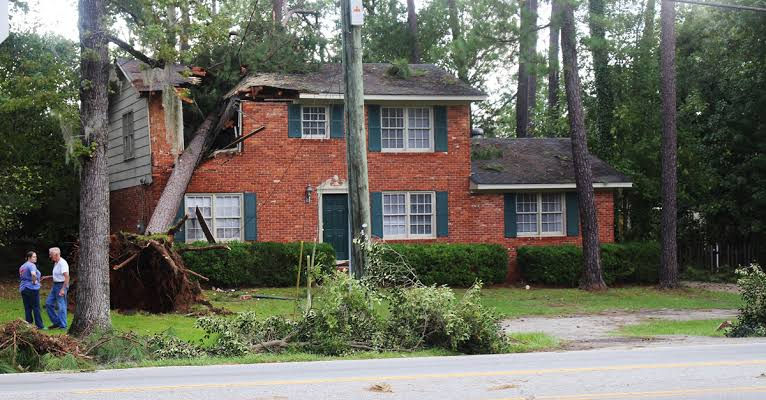

When it comes to emergency tree removal, it's crucial to call trusted experts who can assess the situation quickly and take action to prevent further damage. Always rely on professional services to ensure safety and efficiency during these urgent moments.
This is an excellent and very informative article that clearly explains when emergency tree removal is truly necessary. The breakdown of warning signs—such as leaning trees, root movement, hanging limbs, and storm damage—is especially helpful for homeowners who may not realize the danger until it’s too late. I also appreciate how the article explains why these situations are hazardous and what professionals do to safely manage them. The inclusion of FAQs and local considerations makes it even more valuable and practical for readers dealing with real-life tree emergencies.
At Southern Pine Stump Grinding, we understand how important it is to act quickly and safely after tree removal or storm damage. Once a hazardous tree has been taken down, leftover stumps can…