How Deep Should Stump Grinding Go?
- Brinko Tree Service

- Apr 16
- 4 min read
AI Summary
Most stump grinding removes the stump 4 to 12 inches below ground level
Grinding depth depends on future landscaping or construction plans
Deeper grinding may be required for patios, driveways, or replanting
Professional tree removal and stump grinding restore safe, usable yard space

What Stump Grinding Actually Does
After a tree is removed, the remaining stump can create safety hazards, attract pests, and interfere with landscaping. Stump grinding is the most common method used to remove the visible portion of the stump and allow the yard to return to normal.
Instead of digging out the entire root system, stump grinding uses specialized equipment to grind the stump into small wood chips. These chips are left in the ground or removed depending on the homeowner’s preference.
The depth of grinding determines how well the area can be restored for future use.
Typical Stump Grinding Depth
For most residential properties in Pittsburgh, Irwin, and across Western Pennsylvania, stump grinding is performed about 4 to 6 inches below ground level.
This depth is usually sufficient to
Remove the visible stump
Allow grass to grow over the area
Eliminate tripping hazards
Improve yard appearance
Once the stump is ground below the soil surface, the area can be filled with soil and reseeded.
When Deeper Grinding Is Needed
Some situations require deeper grinding to ensure the area can be used safely.
Preparing for landscaping
If the area will be used for planting shrubs, flowers, or small trees, grinding deeper may be recommended. Removing more of the stump allows new plants to establish roots more easily.
Installing hard surfaces
If the space will eventually support
A patio
A sidewalk
A driveway
A shed foundation
Then, deeper grinding may be necessary to prevent leftover wood from interfering with construction.
Large tree stumps
Large stumps from mature trees often require deeper grinding because they extend farther into the soil.
Grinding deeper helps prevent the remaining wood from causing uneven ground later.
What Happens to the Roots?
Stump grinding removes the main stump but does not eliminate all underground roots.
Large roots remain in the soil but gradually decay over time. As they break down naturally, they return organic material to the soil.
Because most structural roots extend far from the stump, removing them completely would require major excavation. In most cases, this is unnecessary.
Why Grinding Below Ground Level Matters
Grinding below the soil surface provides several benefits.
Improved yard safety
A stump that remains at ground level can still create a tripping hazard. Grinding below the surface eliminates this risk.
Better lawn appearance
When the stump is fully ground below the surface, the area can be covered with soil and grass, making it blend naturally with the rest of the yard.
Preventing regrowth
Grinding the stump deeply reduces the chance that the tree will produce new shoots.
What Happens After Grinding
After the grinding process is complete, the area will typically contain a mixture of soil and wood chips.
Homeowners can choose to
Leave the chips as mulch
Remove excess chips
Add topsoil and reseed the area
With proper finishing, the area can quickly return to normal lawn or landscaping.
When Stump Grinding Should Follow Tree Removal
In most cases, stump grinding is recommended after tree removal to complete the process.
Leaving a stump behind can lead to
Pest infestations
Fungal growth
Lawn maintenance challenges
Reduced usable yard space
Grinding the stump eliminates these issues.
How Long Does Stump Grinding Takes
The time required for grinding depends on the size of the stump and the accessibility of the area.
Most residential stumps can be ground in 30 minutes to two hours. Larger stumps or multiple stumps may require additional time.
Signs You Should Grind a Stump Deeper
Deeper grinding may be recommended if
The stump sits in a high-traffic area
Landscaping will be installed nearby
Construction is planned for the area
The stump is unusually large
Professional evaluation helps determine the appropriate depth.
People Also Ask
Is stump grinding deep enough for grass to grow?
Yes, most grinding depths allow soil to be added and grass to grow normally.
Can a new tree be planted where a stump was ground?
In many cases, it is better to plant slightly away from the original stump location.
Do all roots need to be removed?
No, most underground roots decay naturally over time.
Is stump grinding better than digging out the stump?
Grinding is typically faster and less disruptive to the surrounding yard.
FAQ
How deep do professionals usually grind a stump?
Most stumps are ground 4 to 12 inches below ground level.
Will stump grinding damage my yard?
Professional equipment is designed to minimize impact on surrounding areas.
Are the wood chips harmful to soil?
Wood chips can be reused as mulch or mixed with soil.
Can stump grinding be done at any time of year?
Yes, stump grinding can typically be performed in any season.
Local Considerations for Pittsburgh and Irwin
Western Pennsylvania properties often contain mature trees that eventually need removal due to storms or aging. Grinding the stump properly ensures the yard remains safe and usable.
Let Our Team Restore Your Yard After Tree Removal
Removing the stump is the final step in completing a tree removal project. Our team provides professional tree removal and thorough stump grinding services to help homeowners throughout Western Pennsylvania maintain clean and safe landscapes.
Call 412-373-7450 or fill out our online form to schedule stump grinding. We are here to help restore your yard and eliminate leftover hazards.


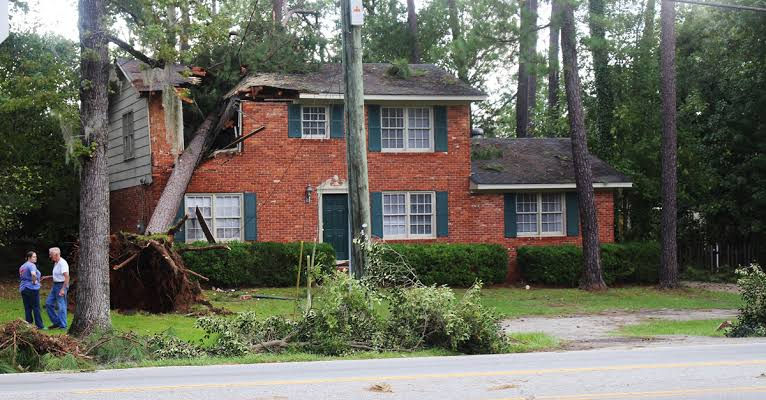

Stump grinding should go deep enough to prevent regrowth and ensure a clean, level surface. Professional stump grinding services can provide the right depth, eliminating future issues like sprouting and pests.