How Much Does Safe Tree Removal Cost in PA?
- Brinko Tree Service
- Jan 28
- 4 min read
AI Summary
Learn the average cost of safe tree removal in Pennsylvania
Understand what factors increase or reduce removal pricing
See how safety requirements, tree size, and location affect cost
Know when professional tree trimming, tree removal, and stump grinding are necessary

Tree removal costs in Pennsylvania can vary widely because no two trees or properties are exactly the same. In areas like Irwin, Pittsburgh, and throughout Western PA, factors such as mature tree growth, hilly terrain, nearby structures, and utility lines all influence how complex and risky a removal job becomes.
Safe tree removal is not just about cutting down a tree. It involves careful planning, controlled dismantling, proper equipment, and trained crews to protect people, property, and surrounding landscapes. Understanding what goes into the cost helps homeowners make informed decisions and avoid unsafe shortcuts.
Average Cost of Tree Removal in PA
In Pennsylvania, the average cost of professional tree removal typically ranges from:
Small trees (under 30 feet): $300 to $800
Medium trees (30 to 60 feet): $800 to $1,800
Large trees (60 to 80 feet or more): $1,800 to $4,000+
These are general estimates. Trees that require cranes, advanced rigging, or emergency response can exceed these ranges.
Key Factors That Affect Tree Removal Cost
Tree size and height
Larger trees require more labor, equipment, and time. Tall trees often need to be removed in sections to maintain safety, especially near homes or power lines.
Tree condition
Dead, diseased, or storm-damaged trees can be more dangerous to remove. Brittle wood, internal decay, or unstable trunks increase risk and require additional safety measures, which can raise costs.
Location of the tree
Trees close to
Homes
Garages
Driveways
Fences
Utility lines
require precision removal. Sectional dismantling and rigging systems take more time than open space removals.
Accessibility
Limited access to equipment increases labor time. Narrow driveways, fenced yards, steep slopes, or soft ground can all add complexity to the job.
Removal method
Some trees can be safely felled in one piece. Others require advanced rigging or crane-assisted removal. Crane work significantly increases cost but is often necessary for safety.
Emergency removal
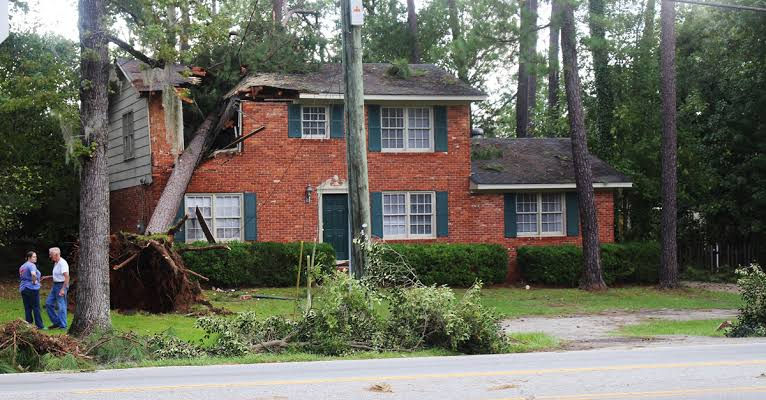
Trees that fall or threaten to fall during storms often require immediate response. Emergency tree removal usually costs more due to urgency, hazardous conditions, and after-hours work.
Permits and regulations
Certain municipalities may require permits for tree removal, especially for large or protected trees. While permit costs are usually minimal, delays or compliance requirements can affect scheduling.
What Safe Tree Removal Includes
Professional removal involves much more than cutting wood.
Safe removal typically includes
Site evaluation and hazard assessment
Establishing safety zones
Controlled branch removal
Sectional trunk dismantling
Ground crew coordination
Debris management
Final safety inspection
This process protects nearby structures and prevents injuries.
Additional Services That Affect Total Cost
Stump grinding
Tree removal does not automatically include stump removal. Stump grinding typically adds $150 to $600, depending on stump size and depth. Grinding improves safety, appearance, and future land use.
Tree trimming instead of full removal
In some cases, tree trimming may reduce risk enough to avoid full removal. Trimming is usually less expensive and preserves healthy trees when possible.
Debris removal
Some quotes include debris hauling, while others leave wood onsite. Full cleanup adds cost but saves time and effort for homeowners.
Why Cheap Tree Removal Can Be Risky
Low prices often signal shortcuts.
Risks of unqualified or uninsured removal include
Property damage
Personal injury
Utility line accidents
Incomplete removal
Liability for a homeowner
Tree work is one of the most dangerous professions. Hiring properly insured professionals protects you from costly consequences.
How Professionals Keep Tree Removal Safe
Professional crews use
Rigging systems
Ropes and pulleys
Chainsaw safety protocols
Personal protective equipment
Controlled cutting techniques
Clear communication
These methods reduce risk even in tight or hazardous conditions.
When Tree Removal Is Worth the Cost
Tree removal is often necessary when
A tree is dead or dying
Structural defects are present
Roots threaten foundations or utilities
Trees lean toward structures
Storm damage compromises stability
Construction or lot clearing is planned
Removing a dangerous tree proactively is often far less expensive than repairing damage after failure.
How to Get an Accurate Tree Removal Quote
To get a reliable estimate
Schedule an on-site evaluation
Ask what services are included
Confirm insurance coverage
Discuss access challenges
Ask about stump options
Understand emergency pricing
Avoid quotes given without seeing the tree in person.
People Also Ask
Is tree removal covered by insurance?
Insurance may cover removal if a tree damages a structure, but preventive removal is usually not covered.
Does removing a dead tree cost more?
Often, yes, due to increased safety risks.
Is stump grinding required after removal?
It is not required, but highly recommended.
Can trimming reduce removal costs?
In some cases, yes, if trimming eliminates safety concerns.
FAQ
Q. Is tree removal cheaper in winter?
Sometimes. Winter conditions can lower demand, but access and weather affect pricing.
Q. How long does tree removal take?
Most residential removals take a few hours to one full day.
Q. Can I remove a tree myself to save money?
DIY removal is extremely dangerous and often costs more if mistakes occur.
Q. Do I need a permit to remove a tree in PA?
Permit requirements vary by municipality.
Local Considerations for Pennsylvania
Western Pennsylvania properties often include mature trees planted decades ago. Clay soil, steep slopes, and dense neighborhoods increase removal complexity. Working with experienced professionals familiar with local conditions improves safety and cost accuracy.
Let Our Team Help You Remove Trees Safely
Understanding the cost of safe tree removal helps you plan responsibly. Our team provides professional tree removal, selective tree trimming, and complete stump grinding to protect your property and meet safety standards.
Call 412-373-7450 or fill out our online form to schedule a tree removal evaluation. We are here to provide clear pricing, honest recommendations, and safe results you can trust.



Comments