What Are Warning Signs of Root Failure?
AI Summary
Root failure often shows visible signs before a tree falls
Leaning trunks, lifting soil, and exposed roots are common indicators
Saturated soil and decay increase root instability in Western PA
Preventive tree trimming, tree removal, and stump grinding reduce property risk
Why Root Health Is Critical for Tree Stability
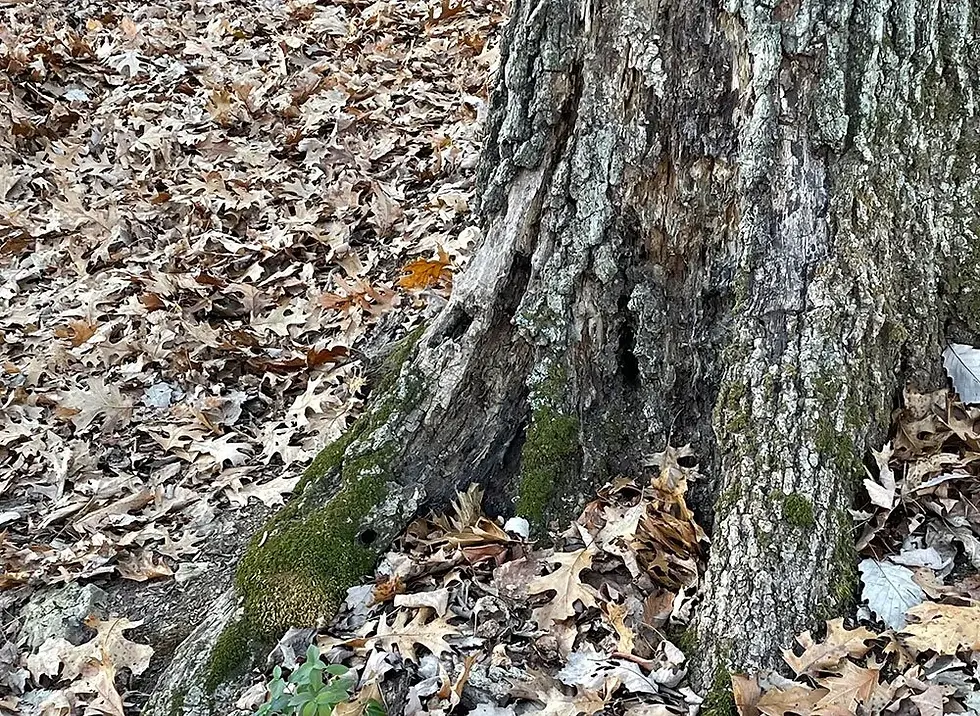
Tree roots provide the foundation that keeps a tree upright. While branches and trunks are easy to see, the root system is hidden underground and often overlooked. In reality, root health plays the most important role in determining whether a tree can withstand storms, wind, and heavy rain.
In Pittsburgh, Irwin, and throughout Western Pennsylvania, root failure is a common cause of trees falling during severe weather. Clay-heavy soil, saturated ground, and aging root systems can weaken the support structure that keeps trees stable.
Recognizing the warning signs of root failure can help homeowners take action before a tree becomes dangerous.
Learning That Develops Suddenly
One of the most obvious signs of root failure is a tree that begins leaning suddenly.
Trees naturally grow at slight angles, but a noticeable change in lean after a storm or heavy rainfall may indicate root instability.
Watch for
A tree is tilting more than usual
The lean is increasing over time
Leaning toward a house or driveway
A sudden lean often means the root plate has shifted in the soil.
Soil Lifting Around the Base
When roots begin to fail, the ground around the tree may move.
Signs of soil movement include
Raised soil on one side of the trunk
Cracks forming in the ground
Soil is separating from the base of the tree
This movement indicates the root system is struggling to hold the tree upright.
Exposed or Damaged Roots
Roots are normally protected beneath the soil surface. When they become exposed, it may indicate erosion or soil displacement.
Exposed roots can weaken tree stability, especially if the root system is shallow.
Roots may also become damaged due to
Construction or excavation
Trenching for utilities
Soil compaction from vehicles or heavy equipment
Damaged roots reduce the tree’s ability to anchor securely.
Fungal Growth Near the Base
Mushrooms or fungal growth near the base of a tree often signal internal decay in the root system.
Fungi break down wood fibers and weaken structural roots over time. As decay progresses, the roots lose strength and stability.
Fungal growth should always be evaluated by a professional.
Poor Drainage and Saturated Soil
Western Pennsylvania soil often contains high clay content, which retains water for extended periods.
When soil becomes saturated
Roots lose firm anchoring
Soil structure weakens
Trees become more susceptible to uprooting
Heavy rainfall followed by strong winds is one of the most common causes of root failure in the region.
Tree Canopy Changes
Sometimes root failure causes subtle changes in the tree canopy.
Look for
Leaves are thinning in certain areas
Branches dying unexpectedly
Uneven growth patterns
These symptoms may indicate the root system is struggling to support the tree.
Cracks in the Soil After Storms
After strong storms, inspect the ground around large trees.
Long cracks or gaps in the soil near the trunk may indicate the root plate has shifted under pressure from wind.
These signs often appear before the tree fully uproots.
Why Mature Trees May Be More Vulnerable
Older trees are more likely to experience root problems because their root systems have been exposed to decades of environmental stress.
Common factors include
Soil compaction
Construction damage
Repeated storms
Natural root decay
These conditions can gradually weaken root support.
How Tree Trimming Helps Reduce Risk
Professional tree trimming helps reduce the stress placed on roots.
Trimming can
Reduce canopy weight
Improve balance
Decrease wind resistance
Lower wind pressure means less force pushing against the root system during storms.
When Tree Removal May Be Necessary
If root failure has progressed significantly, tree removal may be the safest option.
Removal may be recommended when
The tree leans significantly
Soil movement is visible around the roots
Root decay is extensive
The tree threatens nearby structures
Removing a hazardous tree before it falls prevents costly damage.
The Importance of Stump Grinding
After removal, stump grinding removes the remaining stump and root base.
Stump grinding
Eliminates tripping hazards
Prevents regrowth
Reduces pest attraction
Restores yard space
Completing the process ensures the hazard is fully addressed.
Why Early Detection Matters
Many tree failures occur because early warning signs were ignored. Identifying root problems early allows homeowners to take preventive action.
Routine inspections help detect hidden issues before storms create emergencies.
People Also Ask
Can trees recover from root damage?
Minor damage may recover, but severe root loss can weaken stability permanently.
Do leaning trees always fall?
Not always, but sudden or increasing lean should be evaluated.
Can trimming prevent root failure?
Trimming reduces stress on roots but cannot repair severe damage.
How often should trees be inspected for root issues?
At least once per year and after major storms.
FAQ
Is root failure the most common cause of fallen trees?
Yes, especially during storms with heavy rain and wind.
Can soil erosion cause root failure?
Yes. Erosion exposes roots and reduces stability.
Is stump grinding necessary after removing a tree with root failure?
It is recommended to eliminate hazards and prevent regrowth.
Should I inspect trees after heavy rain?
Yes. Saturated soil can reveal early signs of root instability.
Local Considerations for Pittsburgh and Irwin
Western Pennsylvania’s clay soil, steep terrain, and frequent storms make root stability a major concern for homeowners. Regular tree inspections help identify root issues before they become dangerous.
Let Our Team Help Protect Your Property
Root failure can develop slowly but lead to sudden tree collapse during storms. Our team provides professional tree trimming, safe tree removal, and complete stump grinding to protect homes throughout Western Pennsylvania.
Call 412-373-7450 or fill out our online form to schedule a tree safety evaluation. We are here to help keep your trees stable and your property safe.


Comments