What Signs Does A Tree Show Before Falling On A House?
- Brinko Tree Service
- Nov 18, 2025
- 3 min read
A healthy tree adds beauty, shade, and value to your home. But when a tree becomes weak or unstable, it can turn into a serious hazard, especially during Pittsburgh’s heavy storms and winter winds. Knowing the warning signs of a potentially dangerous tree can help you act before it’s too late.
If you live in Irwin or the greater Pittsburgh area, here are the most common signs that a tree might be at risk of falling on your house.

1. Sudden Leaning or Shifting
A tree that suddenly begins to lean is one of the clearest signs of instability. While a slight lean can be normal, a sudden or increasing tilt often indicates root or soil failure beneath the surface. If the ground looks raised or cracked on one side of the tree, or if roots are visible, it’s time to call a professional immediately.
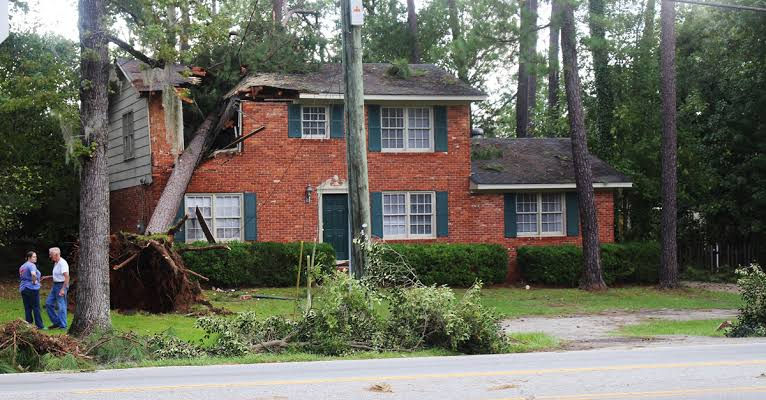
Leaning trees are especially dangerous near homes, driveways, or power lines, where a fall could cause severe damage.
2. Cracks in the Trunk or Major Branches
Visible cracks or splits in the trunk weaken a tree’s structure and increase the likelihood of collapse. These cracks often appear after storms, lightning strikes, or as a result of decay. Large vertical or horizontal splits may mean the tree can no longer support its own weight.
If you notice bark separating or the wood inside looks dry and crumbly, the tree might already be compromised.
3. Dead or Falling Branches
Trees naturally shed small branches, but frequent falling limbs or large dead branches are red flags. Dead branches not only indicate poor tree health but can also fall without warning, especially during wind or ice events.
When you start to see multiple bare or brittle branches at the top or sides of the canopy, it’s a sign the tree is in decline and may eventually fail completely.
4. Root Damage or Decay
Roots anchor the tree and absorb water and nutrients, so any damage to them directly affects stability. Construction, soil compaction, flooding, or nearby excavation can all harm roots.
Soft, spongy soil, fungal growth, or exposed roots are strong indicators that the tree’s foundation is weakening. Once roots rot or lose their grip, even a light breeze can bring the tree down.
5. Hollow Trunk or Fungal Growth
A hollow trunk doesn’t always mean a tree is dying, but if more than one-third of the trunk’s interior is decayed, it’s unsafe. Fungi or mushrooms growing at the base are signs of internal rot. Over time, this decay spreads, hollowing out the trunk and making the tree structurally unstable.
If you spot mushrooms, conks, or soft bark around the base, it’s best to schedule a professional inspection as soon as possible.
6. Sparse or Discolored Leaves
Changes in leaf color, density, or size often reflect deeper health issues. A tree that produces fewer leaves or has brown, wilted foliage during the growing season may be suffering from disease or root stress. Uneven leaf growth, where one side looks healthy and the other side looks bare, is another common warning sign.
7. Storm or Lightning Damage
Pittsburgh’s thunderstorms and winter storms can cause unseen internal damage. A tree struck by lightning may appear fine on the outside but be structurally weakened inside.
If a storm leaves your tree with broken branches, stripped bark, or leaning trunks, have it inspected immediately by a licensed tree service.
Professional Inspection for At-Risk Trees
If you notice any of these warning signs, it’s crucial to call a professional tree service for an assessment. Certified experts can determine whether the tree can be saved through pruning or cabling, or if removal is the safest option.
At Brinko Tree Service, we specialize in identifying hazardous trees and preventing potential property damage across Irwin and the Pittsburgh region. Our trained team uses modern equipment to safely handle dangerous trees before they cause harm.
Let’s Keep Your Home Safe from Falling Trees
If you suspect a tree near your home is unstable, don’t wait for the next storm. Call 412-373-7450 or fill out our online form to schedule a free inspection. We’ll evaluate your trees, identify any risks, and provide safe, reliable solutions to protect your home and family.



Comments