What Spring Tree Tasks Prevent Summer Damage?
- Brinko Tree Service

- Jan 2
- 4 min read
AI Summary
Learn which spring tree care tasks help prevent summer storm and heat damage
Understand how early maintenance reduces limb failure, disease, and pest issues
Identify spring warning signs that lead to costly summer problems if ignored
See when professional tree trimming, tree removal, or stump grinding is needed

Spring is the preparation season for trees. What happens during these few months directly affects how well trees handle summer heat, storms, pests, and rapid growth. In Irwin, Pittsburgh, and the surrounding Western Pennsylvania areas, summer often brings heavy rain, high humidity, thunderstorms, and heat waves. Trees that are not maintained in the spring are far more likely to suffer damage once summer stress begins.
Spring tree tasks focus on correcting weaknesses left by winter and preparing trees for the demands of summer. Addressing issues early helps prevent broken limbs, falling branches, disease spread, and emergency situations later in the year.
How Ignoring Spring Tasks Leads to Summer Damage
Trees carry hidden stress from winter long into spring. Ice damage, cracked limbs, compacted soil, and weakened roots often go unnoticed until summer growth adds weight and pressure. When these issues combine with heat and storms, failure becomes more likely.
Common summer problems caused by skipped spring care include
Sudden branch drop
Leaning or uprooting after storms
Increased pest infestations
Rapid disease spread
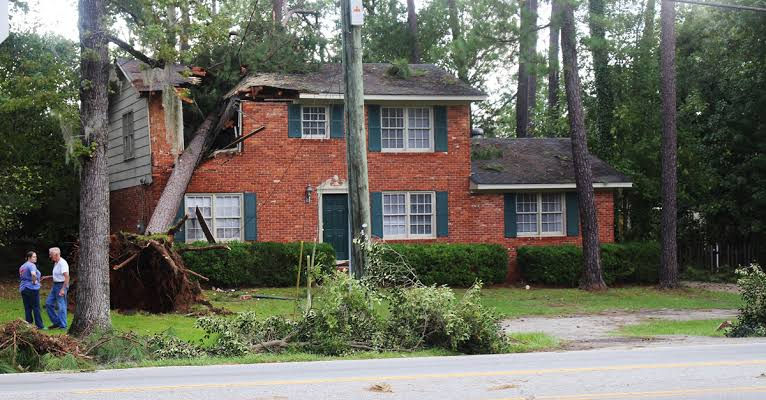
Damage to roofs, vehicles, and power lines
Preventive spring care significantly reduces these risks.
Essential Spring Tree Tasks That Prevent Summer Damage
Structural pruning
Pruning in spring removes weak, damaged, or poorly positioned branches before they become overloaded with leaves. Structural pruning focuses on
Dead or dying limbs
Cracked or split branches
Crossing or rubbing limbs
Overextended horizontal branches
This type of pruning improves canopy balance and reduces the chance of branch failure during summer storms. Professional tree trimming ensures cuts are placed correctly to support healthy growth.
Removing winter-damaged wood
Snow, ice, and freezing temperatures often leave behind damaged branches that appear intact but are structurally weak. These limbs frequently fail during calm summer days or light wind.
Spring inspections allow damaged wood to be removed safely before it becomes hazardous.
Managing canopy density
Dense canopies trap moisture and block airflow, creating ideal conditions for fungal disease during humid summer weather. Thinning selective branches improves
Air circulation
Sunlight penetration
Leaf drying time after rain
This reduces disease pressure and improves overall tree health.
Addressing pest risks early
Many destructive insects emerge in spring. Early identification helps prevent widespread infestation later in the summer.
Spring evaluations look for
Borer activity
Scale insects
Aphids
Caterpillars
Egg masses
Catching pests early prevents canopy loss and long-term stress.
Improving soil and root conditions
Healthy roots are essential for summer stability. Spring tasks may include
Correcting soil compaction
Improving drainage
Mulching to retain moisture
Exposing buried root flares
Strong root systems help trees withstand heavy rain and wind.
Removing hazardous trees before storm season
Trees with severe decay, root failure, or structural instability are at high risk of summer failure. Removing these trees in the spring avoids emergency situations during storms.
When pruning cannot correct the risk, tree removal is often the safest solution. After removal, stump grinding helps eliminate tripping hazards and pest attraction.
Warning Signs in Spring That Predict Summer Damage
Spring is the best time to spot issues that worsen in summer. Watch for
Branches sagging under new leaves
Cracks at branch attachments
Leaning after rain
Mushrooms at the base of the trunk
Thinning or uneven leaf growth
Bark splitting or peeling
Repeated small branch drop
Addressing these signs early reduces the chance of costly damage later.
Why Spring Is Better Than Summer for Tree Work
Spring offers several advantages over summer maintenance.
Trees heal faster before peak growth
Heat stress is lower
Fewer pests are active
Soil conditions are easier to correct
Crews can work safely before storm season
Waiting until summer often means dealing with emergencies rather than prevention.
How Professional Care Prevents Summer Emergencies
Professional tree care focuses on long-term stability rather than short-term fixes.
Risk assessment
Experts evaluate structural integrity, root health, and canopy balance.
Targeted pruning
Selective tree trimming reduces stress without overcutting.
Hazard identification
Unsafe trees and limbs are identified before storms expose the risk.
Long-term planning
Professionals help homeowners plan maintenance schedules that prevent recurring damage.
People Also Ask
Do trees really need spring maintenance?
Yes. Spring care prevents many of the problems that occur during summer storms and heat.
Can pruning prevent branches from falling in summer?
It significantly reduces risk by removing weak and overloaded limbs.
Are pests worse in summer?
Many pests start in spring and peak in summer if not controlled early.
Is spring a good time to remove trees?
Yes. Removing hazardous trees before storm season is safer and less stressful for the property.
FAQ
Q: How early should spring tree work begin?
A: Late winter through early spring is ideal, once severe cold has passed.
Q: Can too much pruning cause summer stress?
A: Yes. Removing more than 25 percent of the canopy can weaken a tree.
Q: Should young trees be maintained in spring?
A: Yes. Early structural pruning helps prevent future problems.
Q: What happens if I wait until summer?
A: Problems often become emergencies due to heat, storms, and rapid growth.
Local Considerations for Irwin and Pittsburgh
Western Pennsylvania’s spring weather includes heavy rain, fluctuating temperatures, and frequent storms. Clay soil holds moisture, increasing the risk of leaning and root instability. Older neighborhoods with mature trees face a higher risk when spring growth goes unmanaged.
Spring maintenance helps trees adapt to these conditions and lowers the chance of storm-related damage during summer.
Let Our Team Help Prevent Summer Tree Damage
Spring is the best time to protect your property from summer tree damage. Our team provides expert tree trimming, honest safety evaluations, and safe tree removal when necessary. We also offer stump grinding to restore yard safety after removal.
Call 412-373-7450 or fill out our online form to schedule spring tree maintenance. We are here to help keep your trees strong, stable, and safe all summer long.



Comments