Why Fall Is the Best Time for Tree Trimming in Manor and Surrounding Areas
- Brinko Tree Service

- Apr 23
- 5 min read
AI Summary
Fall tree trimming allows trees to enter winter dormancy without the stress of fresh cuts actively healing during harsh weather.
Cooler autumn temperatures create ideal working conditions for professional crews while reducing heat stress on both workers and trees.
Trimming before winter storms removes weak branches that could cause property damage during ice and snow events.
Fall scheduling ensures your trees are properly maintained before the busy spring season when tree services are in highest demand.

Did you know that trees trimmed in fall have significantly lower mortality rates compared to those trimmed during active growing seasons? Most Manor, PA homeowners assume spring is the ideal time for tree care, but this common misconception can actually stress your trees when they need energy most for new growth.
The timing of tree trimming can make the difference between healthy, thriving trees and weakened specimens vulnerable to disease and storm damage. Fall presents a unique window when trees naturally prepare for dormancy, making it the perfect time for professional maintenance. For homeowners across Westmoreland and Allegheny Counties, understanding seasonal tree care can protect both your landscape investment and your property, especially when you work with experienced professionals who provide comprehensive Tree Trimming services.
Why This Matters for Manor, PA Homeowners
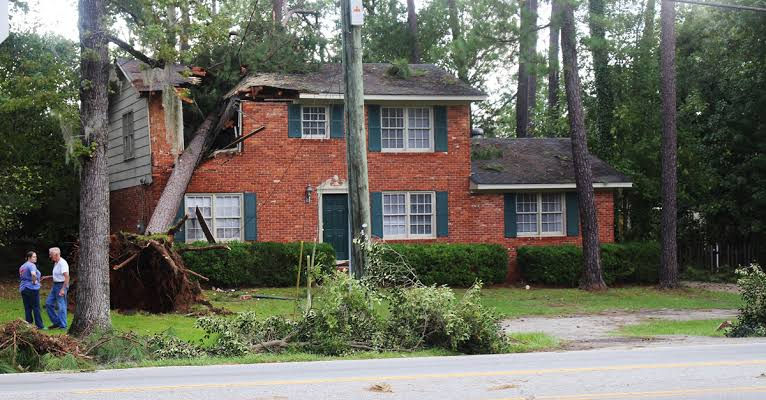
Fall tree trimming Manor PA represents more than just seasonal maintenance; it becomes a critical protection strategy for your property. Manor's location in Westmoreland County exposes trees to harsh winter weather patterns, including ice storms and heavy snow loads that can turn neglected branches into dangerous projectiles.
Local homeowners who postpone tree trimming often face emergency situations during winter months. Weak or overgrown branches that seemed manageable in summer become liability issues when weighted down with ice or driven by winter winds, potentially causing damage to roofs, vehicles, and power lines.
The Science Behind Fall Tree Trimming
Fall tree trimming works because trees naturally slow their growth and begin storing energy for winter survival. During this dormancy preparation phase, trimming cuts heal slowly and steadily without diverting energy from essential winter survival functions.
Here are the key biological advantages of fall trimming:
Trees experience minimal sap loss compared to spring cuts that weep extensively
Reduced photosynthesis demand allows energy conservation for healing
Cooler temperatures prevent rapid bacterial growth in fresh wounds
Dormancy preparation naturally seals cuts more effectively
Lower insect activity reduces contamination risk at pruning sites
Optimal Weather Conditions for Tree Work
Fall weather in Manor creates ideal conditions for both tree health and worker safety. September through November typically offers consistent temperatures between 50 and 70 degrees, allowing tree service professionals to work efficiently without the heat stress that makes summer jobs dangerous.
Temperature Benefits
Moderate fall temperatures prevent the rapid moisture loss that summer heat causes in freshly cut branches. Trees retain better hydration levels, supporting natural healing processes that seal pruning wounds effectively. Workers can also maintain peak performance throughout the day, ensuring precise cuts and thorough cleanup.
Reduced Storm Interference
Fall generally provides more predictable weather windows between storm systems. This reliability allows tree service crews to complete projects without weather delays that plague other seasons, ensuring your trees receive proper care before winter arrives.
Storm Preparation and Risk Reduction
Professional fall trimming specifically targets branches that pose winter storm risks. Dead, diseased, or structurally weak branches become significantly more dangerous when loaded with snow and ice, making their removal a critical preventive measure.
Certified arborists identify problematic growth patterns during fall inspections, including branches that grow too close to structures, cross and rub against each other, or show signs of disease or insect damage. Removing these hazards before winter storms protects your property and eliminates emergency Tree Removal situations that cost significantly more than preventive maintenance. The same weak branches that seemed minor during summer can cause thousands of dollars in damage when they fail during ice storms, potentially requiring Emergency Tree Service calls during the most challenging weather conditions.
Cost and Scheduling Advantages
Fall tree trimming often costs less than peak season services because demand decreases after summer emergency calls subside. Tree service companies can offer more competitive pricing and flexible scheduling when they are not responding to storm damage or peak growing season demands.
Planning ahead also prevents emergency service fees. Winter storm damage typically requires immediate attention at premium rates, while scheduled fall maintenance allows you to budget appropriately and choose convenient timing for your family.
People Also Ask
When is the best time to trim trees in Pennsylvania?
Late fall through early winter provides optimal conditions for tree trimming in Pennsylvania. Trees enter dormancy naturally, reducing stress from pruning cuts and allowing proper healing before spring growth begins.
Should I trim my trees before or after winter storms?
Always trim trees before winter storms arrive, ideally in October or November. Removing weak or dead branches prevents storm damage to your property and eliminates dangerous situations during ice and snow events.
How much does fall tree trimming cost in Westmoreland County?
Fall tree trimming costs vary based on tree size, number of trees, and complexity of the work. Most homeowners save money with fall scheduling because emergency winter rates and peak spring demand both increase service costs significantly.
What happens if I wait until spring to trim my trees?
Spring trimming forces trees to divert energy from new growth to heal pruning wounds. This timing can stress trees when they need maximum energy for leaf production, potentially weakening overall tree health and growth patterns.
FAQ
Do all tree species benefit from fall trimming?
Most deciduous trees benefit from fall trimming, but evergreens may have different optimal timing. Professional arborists assess each species individually to determine the best trimming schedule for your specific landscape and tree health goals.
How late in fall can I safely trim trees?
Tree trimming can continue into early winter as long as temperatures remain above freezing consistently. However, completing the work by late November ensures trees have adequate time to seal cuts before the harshest winter weather arrives.
Will fall trimming affect spring flowering on my trees?
Proper fall trimming should not impact spring flowering if performed correctly. Professional arborists understand which branches to preserve for flower production while removing problematic growth that could cause winter damage.
Should I clean up fallen leaves before or after tree trimming?
Schedule tree trimming before final leaf cleanup to avoid duplicate work. Trimming will add debris to your yard, so completing tree work first allows you to handle all organic cleanup in one efficient process.
Professional Tree Care You Can Trust in Manor
When winter storms threaten Manor, PA properties, proper fall tree maintenance makes the difference between minor cleanup and major damage repair. Our experienced team understands the unique challenges that Westmoreland and Allegheny County trees face during harsh Pennsylvania winters.
Professional tree trimming requires specialized equipment, safety training, and knowledge of proper pruning techniques that protect tree health while addressing your property's specific needs. Don't wait until winter weather creates emergency situations that could have been prevented with timely fall maintenance. As we discussed in our previous article about Why Are Dead Trees Riskier to Remove in Summer?, seasonal timing significantly impacts both safety and success in tree care projects.
Visit Brinko Tree Service or call 724-863-7799 today. Our certified arborists provide comprehensive fall tree care that protects your property investment and ensures healthy trees for years to come. Contact us for more information.



Fall is indeed the best time for tree trimming, as it allows the trees to recover before the harsh winter weather sets in. Trusted professionals can ensure that the trees remain healthy and well-maintained, helping to prevent future issues.